
How to Eat When You're Broke: A Survival Guide
Broke Budget Meal Estimator
Stop paying the "convenience tax." Enter your daily meal habits to see how much you could save by switching to strategic, budget-friendly home cooking.
Your Current Habits
The Budget Strategy
Based on the article's "Holy Trinity" (Rice, Lentils, Oats) and bulk buying principles.
- $0.15 Rice/Lentil Base
- $0.25 Frozen Veggies/Egg
- $0.05 Spices/Oil
Projected Monthly Savings
$0.00
That's enough for rent, utilities, or a month of groceries!
Imagine this: it’s the third week of the month, your bank account is staring at you with a balance that makes your stomach drop (literally), and the fridge contains half a lemon, some expired yogurt, and hope. Sound familiar? Most people think eating well requires money. But honestly? It mostly requires strategy. You don’t need a personal chef or a Whole Foods membership to survive. You just need to know where the cheap calories hide and how to stretch them.
The Psychology of Cheap Eating
Here’s the trap most broke folks fall into: convenience costs money. That $8 sandwich tastes good because you didn’t have to cook it. But if you’re tight on cash, convenience is a luxury tax. The first step to eating on a budget is accepting that cooking takes time, but it saves dollars. Every time you choose a pre-packaged snack over an apple, you’re paying for the plastic wrapper and the marketing team.
Don’t let shame get in the way. Being broke doesn’t mean you’re bad at life. It means your resources are temporarily skewed. Acknowledge it, plan around it, and move forward. The goal isn’t perfection; it’s sustainability. If you spend all your energy worrying about every penny, you’ll burn out. Pick two or three habits from this guide and stick with them. Small wins add up.
Grocery Hacks That Actually Work
Walking into a supermarket without a plan is like walking into a casino without a limit. You will lose. Here’s how to navigate the aisles when every dollar counts.
- Buy store brands: In most cases, the ingredients list is identical to name brands. The only difference is the logo. Test one product-say, canned beans-and see if you can tell the difference. Spoiler: You probably won’t.
- Embrace frozen vegetables: Fresh produce spoils fast. Frozen veggies are picked at peak ripeness and flash-frozen, retaining nutrients better than fresh ones that sat in transit for a week. Plus, they don’t rot in your crisper drawer.
- Check the bottom shelves: Supermarkets place expensive items at eye level. Look down. The cheapest pasta, oats, and canned goods are usually hiding near the floor.
- Shop the perimeter wisely: Yes, whole foods are on the edges. But so are expensive steaks and organic berries. Stick to the inner aisles for staples like rice, flour, and lentils, which offer massive volume for low cost.
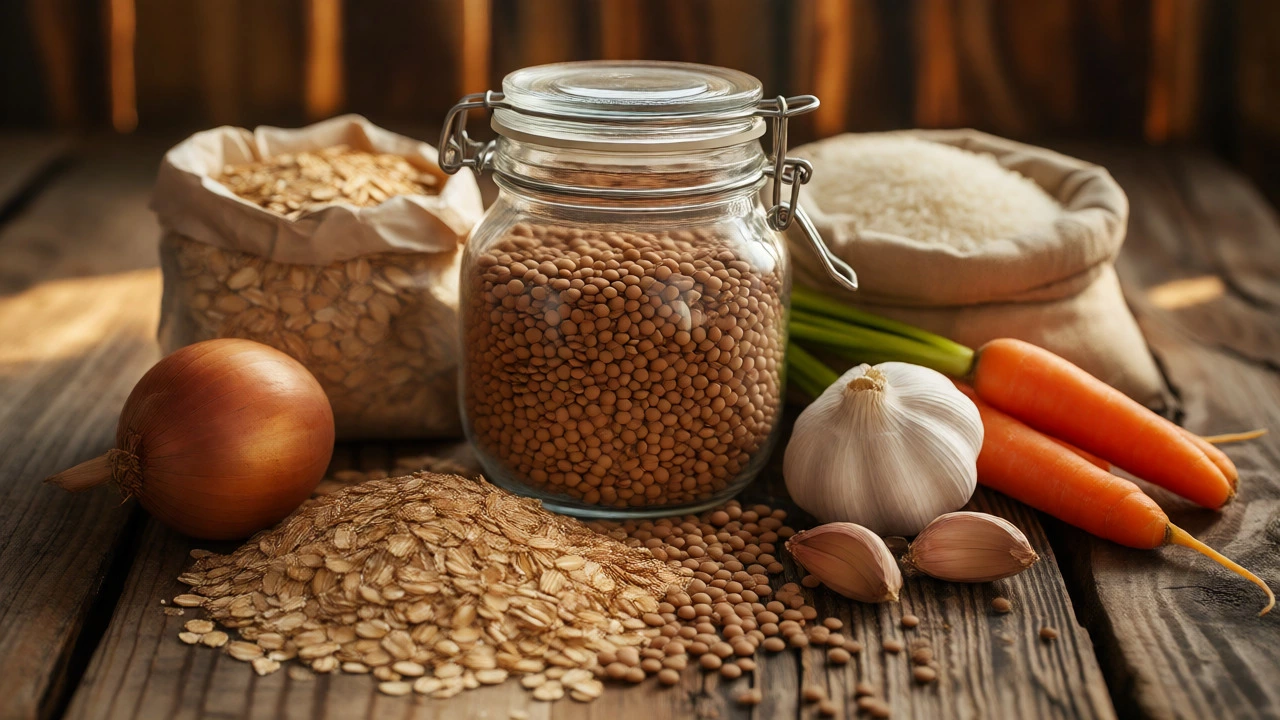
The Holy Trinity of Budget Staples
If you buy nothing else, buy these three things. They form the backbone of almost any affordable diet worldwide.
| Staple | Why It Works | Prep Tip |
|---|---|---|
| Rice | High calorie density, long shelf life, pairs with anything. | Bulk buy brown or white rice. Cook a big pot once a week. |
| Lentils | Cheap protein source, cooks quickly (no soaking needed). | Add to soups or make dal with spices from your pantry. |
| Oats | Versatile breakfast/lunch/dinner base, high fiber keeps you full. | Make overnight oats or savory oatmeal with eggs. |
Lentils are unsung heroes. A bag of dry lentils costs less than a fancy coffee drink and provides dozens of servings of protein. Rice stretches any dish. Oats keep your blood sugar stable, preventing those mid-afternoon hunger crashes that lead to impulse buys.
Meal Prep Without Losing Your Mind
You don’t need Tupperware containers stacked to the ceiling. You just need to reduce decision fatigue. When you’re tired and hungry, you’re likely to order takeout. Meal prep prevents that.
Try the "Cook Once, Eat Twice" method. Roast a tray of chicken thighs and potatoes on Sunday. Monday, eat it as is. Tuesday, shred the chicken into tacos or wraps. Wednesday, throw the leftovers into a soup. This approach turns one hour of cooking into five meals. It’s not gourmet, but it’s warm, filling, and costs pennies per serving.
Another trick? Batch cook grains. Make a huge pot of rice or quinoa. Store it in the fridge. Throughout the week, just heat up a portion and add whatever protein or veggie you have left. It removes the friction of starting from scratch every night.
When You Can’t Afford Groceries: Food Banks
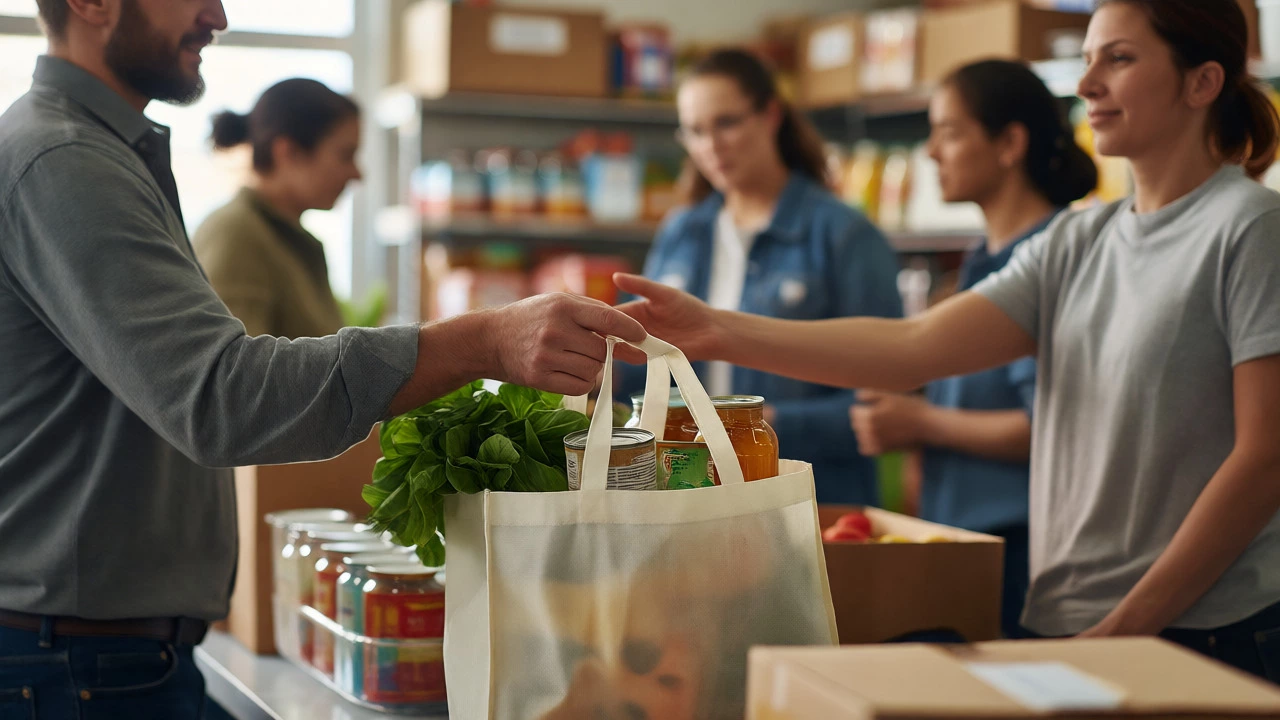
Sometimes, even the best planning hits a wall. Maybe rent went up, or a car repair drained your emergency fund. That’s when you look beyond the grocery store. Food banks are non-profit organizations that collect, store, and distribute food to people in need. They are not charity cases; they are community safety nets used by millions of Americans every year.
Many people hesitate to use food banks due to stigma. Don’t. These organizations exist precisely for moments like yours. Using a food bank frees up cash for other essentials like medicine or utilities. Plus, many now offer fresh produce, dairy, and even meat, not just canned slop.
To find one, search "food bank near me" or check with local churches and community centers. Some require ID, others don’t. Call ahead to ask about hours and what to bring. Treat it like a resource, not a failure. You’re managing your household finances strategically.
Avoiding the Hunger-Sale Trap
Have you ever gone shopping while starving and bought junk? We’ve all done it. Your brain screams for quick energy, leading to expensive snacks that don’t fill you up. Always shop after eating. Carry a small bottle of water. Hunger mimics thirst often enough to confuse you.
Also, beware of "sale" traps. A 50% off discount on a $10 item is still $5. If you wouldn’t buy it at full price, skip it. Bulk buying only saves money if you actually consume the bulk amount before it expires. Buying a 5-pound bag of cheese when you only eat a slice a week leads to mold, not savings.
Simple Recipes for Tight Times
Let’s put theory into practice. Here are three meals that cost under $2 per serving and require minimal skill.
- Lentil Soup: Sauté onion and garlic (or powder). Add dry lentils, canned tomatoes, broth, and carrots. Simmer until soft. Season heavily with cumin and paprika. Freezes well.
- Egg Fried Rice: Use day-old cold rice. Fry an egg, push it aside, scramble it. Add chopped frozen peas and corn. Mix in soy sauce and hot sauce. Serve immediately.
- Peanut Butter Banana Toast: Not just for kids. High fat, high carb, high satisfaction. Use whole grain bread if possible for extra fiber. Top with sliced banana and a drizzle of honey if you have it.
Final Thoughts on Resilience
Eating well when you’re broke is a skill. It gets easier with practice. Start small. Swap one processed snack for fruit. Learn one new recipe with lentils. Visit a food bank once to see what’s available. Each step builds confidence. Remember, your worth isn’t tied to your bank account. Feed yourself with care, respect your limits, and keep moving forward.
Is it cheaper to cook or buy fast food?
Generally, cooking is significantly cheaper. A homemade meal using basic ingredients like rice, beans, and seasonal vegetables can cost $1-$2 per serving. Fast food often costs $7-$10 for a similar calorie count but offers less nutritional value and leaves you hungrier sooner. However, if you lack equipment or time, simple no-cook options like sandwiches or salads can bridge the gap.
Do I need special documents to use a food bank?
It varies by location. Many food banks require proof of residence (like a utility bill) and sometimes photo ID. Others operate on a trust-based system with no paperwork. Always call ahead or check their website to confirm requirements. Some also limit visits to once per month per household.
What are the best cheap sources of protein?
Dried beans, lentils, and chickpeas are among the cheapest protein sources available. Eggs are another excellent option, offering high-quality protein for roughly $0.20 each depending on sales. Canned tuna and sardines provide omega-3s and protein at low cost. Peanut butter is also a calorie-dense, affordable plant-based protein.
How do I avoid wasting food when money is tight?
Plan meals around what you already have. Check expiration dates weekly. Freeze leftovers immediately rather than letting them sit in the fridge. Use vegetable scraps to make stock. Buy perishables in smaller quantities more frequently if you tend to spoil large amounts. Label containers with dates to track freshness.
Are frozen vegetables healthy?
Yes, often healthier than fresh. Frozen veggies are harvested at peak ripeness and flash-frozen within hours, locking in nutrients. Fresh produce loses vitamins during transport and storage. Unless you live next to a farm, frozen is usually more nutritious and far cheaper.