
How to Organize a Community Outreach Program: A Practical Guide
Community Outreach Program Planner
Select your primary service model below to generate a customized planning roadmap, including resource intensity estimates and key performance indicators.
Direct Service
Food banks, shelters, immediate aid
Educational Workshops
Skill gaps, awareness training
Social Connection
Mental health, isolation reduction
Advocacy Campaigns
Policy change, visibility
Your Customized Roadmap
Recommended Focus
Resource Intensity
Key Success Metric
Pilot Phase Strategy
Note: Remember to spend the first two weeks listening to your audience before launching. Define clear roles in your core team to avoid burnout.
You have the passion. You see a gap in your neighborhood-maybe it’s kids without after-school care, or elderly neighbors who haven’t spoken to anyone all week. But turning that spark into a functioning community outreach program is where most people hit a wall. It’s not just about showing up with good intentions; it’s about logistics, trust, and sustainability. If you’ve ever tried to coordinate volunteers only to have half of them cancel last minute, you know the pain. This guide cuts through the noise to give you a roadmap for building something that actually lasts.
Start With the Problem, Not the Solution
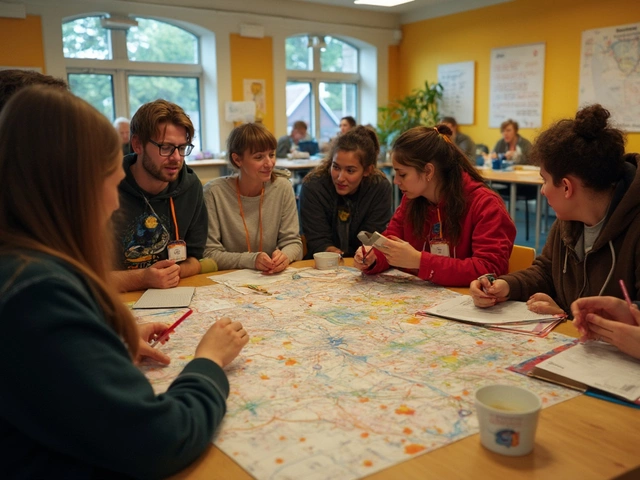
Most failed programs start with a solution looking for a problem. You might love gardening, but if your target demographic doesn’t want to dig in the dirt, your garden project will starve for participants. Before you book a venue or print flyers, spend two weeks just listening. Go to the places where your intended audience already gathers. Ask open-ended questions. What frustrates them? What do they wish existed?
This phase is about defining your target audience and their specific needs assessment. Are you serving single parents struggling with food costs? Or isolated seniors needing social interaction? The answer changes everything-from the time of day you hold events to how you communicate. For instance, a program for working parents needs evening or weekend slots, while one for retirees works best on weekday mornings. Skipping this step leads to empty rooms and wasted budget.
Build Your Core Team and Partnerships
You cannot do this alone. Burnout is the number one killer of grassroots initiatives. You need a small, reliable core team. Look for skills, not just enthusiasm. You need someone organized (operations), someone who talks well (communications), and someone who understands the community culture (liaison).
Next, look at existing infrastructure. Don’t reinvent the wheel. Partner with established entities like local libraries, schools, or faith-based groups. These organizations already have trust and physical space. In Auckland, for example, many community halls are underutilized during weekdays. Negotiating a partnership here saves you rent money and instantly lends credibility. When you co-brand an event with a known local entity, attendance usually jumps by 30-50% because people recognize the name.
Design the Program Structure
Now that you know who you’re helping and who’s helping you, design the actual service. Keep it simple. Complexity is the enemy of execution. Start with a pilot program-a small, manageable version of your big idea. Test it for three months before scaling.
Define clear roles and responsibilities. Ambiguity causes friction. Create a simple organizational chart, even if it’s just four people. Who signs off on expenses? Who handles complaints? Who cleans up? Write these down. If you’re running a volunteer coordination effort, ensure every role has a written description. This isn’t corporate bureaucracy; it’s respect for people’s time. When volunteers know exactly what’s expected, they stay longer.
| Model Type | Best For | Resource Intensity | Key Success Metric |
|---|---|---|---|
| Direct Service (e.g., Food Bank) | Immediate basic needs | High (Logistics/Food) | Tons distributed / Meals served |
| Educational Workshops | Skill gaps or awareness | Medium (Materials/Trainers) | Participant retention rate |
| Social Connection Events | Isolation and mental health | Low (Venue/Snacks) | Repeat attendance |
| Advocacy Campaigns | Policy change or visibility | Variable (Time/Media) | Petition signatures / Media mentions |
Master Volunteer Recruitment and Retention
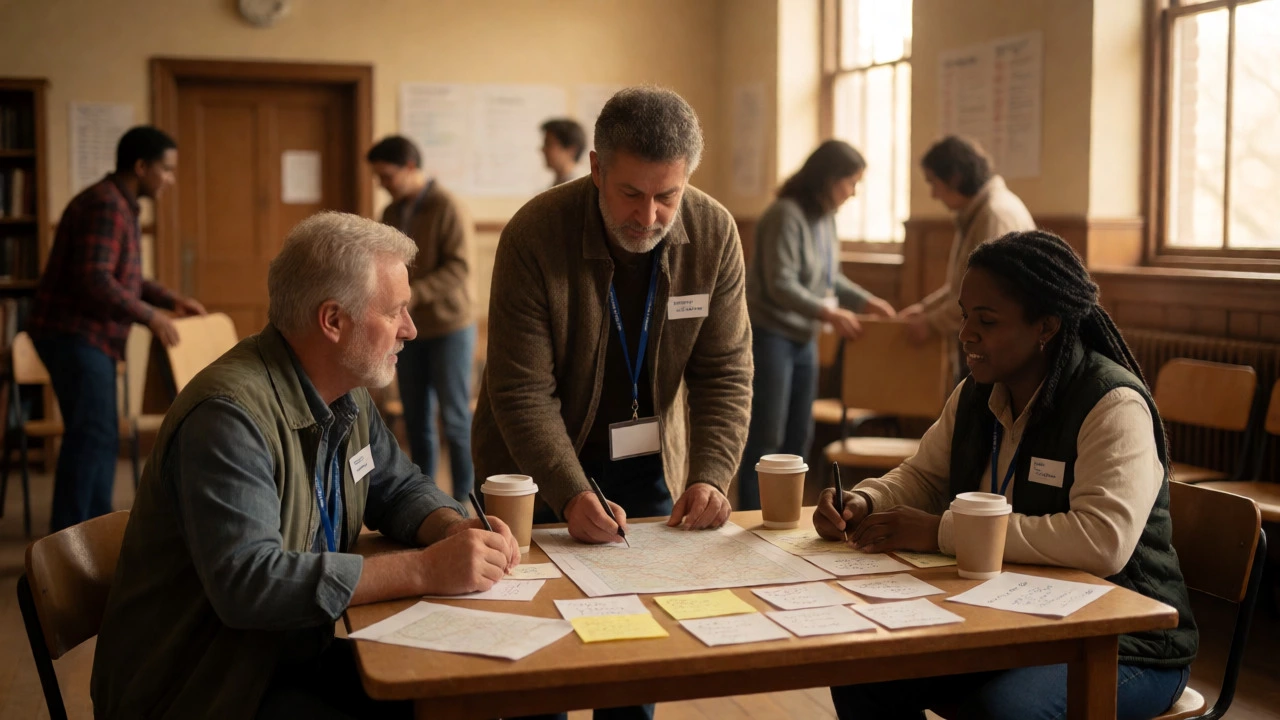
Recruiting volunteers is easy; keeping them is hard. People don’t leave bad tasks; they leave bad experiences. Treat your volunteers like staff. Provide orientation. Give them a badge or a t-shirt so they feel part of the tribe. Most importantly, listen to their feedback.
Use digital tools to manage schedules. Spreadsheets break when you have more than ten people. Platforms like SignUpGenius or specialized volunteer management software can automate reminders and shift swaps. This reduces administrative load on you. Remember, the goal of volunteer retention is to create a sense of ownership. When a volunteer feels their contribution matters, they show up rain or shine.
Funding and Resource Management
Money talks, but resources whisper. You don’t always need cash grants to start. Often, you need donated goods or services. Approach local businesses for in-kind donations. A bakery might donate bread for a soup kitchen launch. A print shop might cover flyer costs. Always ask for what you need specifically. "Can you donate $50?" is less effective than "Can you provide coffee for our Tuesday meetings for three months?"
If you do seek funding, look at local charitable trusts and community foundations. They often prefer supporting new, innovative projects over established giants. Prepare a one-page pitch deck. Focus on outcomes, not activities. Don’t say "We held 10 workshops." Say "We helped 50 families reduce stress through financial literacy training." Funders buy results, not busyness.

Measure Impact and Iterate
If you can’t measure it, you can’t improve it. But don’t get bogged down in complex data analytics. Pick three key metrics that tell the true story of your program. For a youth mentoring program, these might be: number of active mentors, hours mentored, and self-reported confidence levels of students.
Review these numbers monthly. Did attendance drop in July? Why? Was it summer holidays? Adjust your schedule. Did feedback mention the venue was too cold? Fix the heating. This iterative process turns a static program into a living organism that adapts to community needs. Sharing these wins with stakeholders builds momentum for future support.
Marketing That Actually Works
Forget expensive ads. Grassroots marketing relies on word-of-mouth and visual presence. Use high-quality photos from your events on social media. Tag local influencers or community leaders who attended. Create a simple Facebook Event page for each session-it sends automatic reminders to attendees.
Physical signage still works wonders in tight-knit neighborhoods. Put posters in laundromats, supermarkets, and bus stops. Use QR codes that lead directly to a sign-up form. Reduce friction. If someone has to call you to join, you’ll lose 80% of interested parties. Make joining as easy as scanning a code.
How much does it cost to start a community outreach program?
Costs vary wildly based on the model. A social connection event might cost near zero if you use free public spaces and potluck contributions. Direct service models like food banks require significant upfront capital for storage and transport. A realistic starting budget for a mid-sized program is between $500 and $2,000 NZD for initial materials, insurance, and marketing, assuming you secure donated venue space.
What is the biggest mistake new organizers make?
The most common error is trying to solve too many problems at once. New organizers often launch with five different activities, confusing potential participants and stretching resources thin. Start with one core offering that addresses the most urgent need identified in your assessment phase. Once that is stable, expand.
Do I need to register as a charity to run an outreach program?
Not necessarily. Many community groups operate as unincorporated associations or social enterprises. However, registering as a charitable trust or incorporated society provides legal protection, allows you to issue tax-deductible receipts for donations, and makes you eligible for certain government grants. Check local regulations in your region, such as those from Charities Services in New Zealand.
How do I handle difficult community members?
Set clear behavioral expectations early. Have a simple code of conduct posted visibly. Address issues privately and immediately. If someone violates boundaries repeatedly, have a plan for de-escalation or temporary suspension. Having a designated mediator on your team helps keep conflicts from derailing the entire program.
How long should a pilot program last?
A three-month pilot is ideal. It’s long enough to establish a routine and gather meaningful feedback, but short enough to pivot quickly if the concept isn’t working. After three months, review your metrics and decide whether to scale, adjust, or shut down.