
What Charity Feeds the Most People? Global Leaders in Hunger Relief
Hunger Relief Impact Calculator
Enter Your Donation Amount
See the estimated impact of your contribution based on current operational data.
0 meals
Feeds people in conflict zones and disaster areas via massive logistics.
0 meals
Distributes food through 200 food banks and 60,000 pantries.
0 meals
Optimized procurement or cash transfers in stable markets.
0 days of food security
Supports farmers with seeds/training to prevent future hunger.
Hunger is a problem that refuses to stay quiet. Every day, millions of people go to sleep with empty stomachs while others struggle to decide where their next meal will come from. If you are looking to help, or simply curious about who is doing the heavy lifting, you have likely asked yourself: what charity feeds the most people? The answer isn't just one name; it is a mix of massive global operations and highly efficient local networks. Understanding this landscape helps you direct your support where it actually matters.
When we talk about feeding people, we aren't just talking about handing out sandwiches. We are talking about complex logistics, emergency response, and long-term agricultural development. Some organizations move millions of tons of grain across war zones. Others focus on teaching farmers how to grow drought-resistant crops so they never need aid again. Both approaches save lives, but they operate on different scales and timelines.
The Heavyweight Champion: World Food Programme
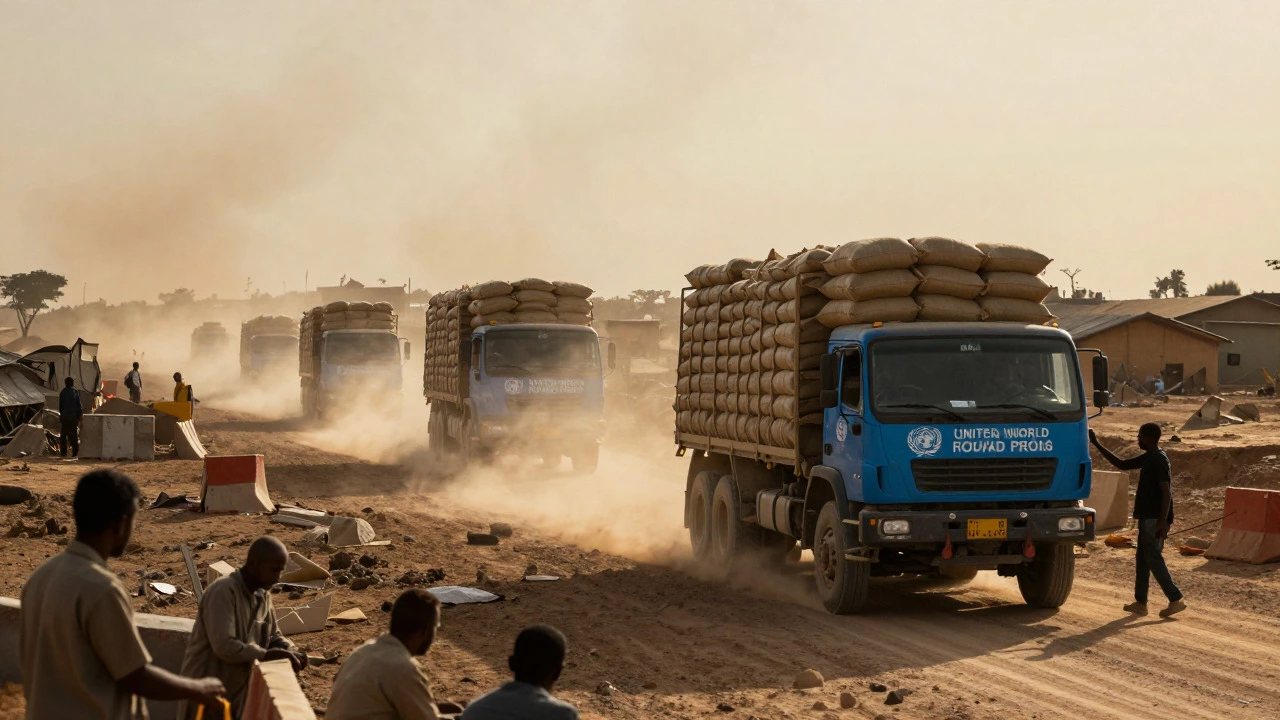
If there is one organization that stands above the rest in terms of raw volume, it is the World Food Programme (WFP). It is the world's largest humanitarian organization addressing hunger and promoting food security. Operated by the United Nations, the WFP doesn't just feed people; it moves mountains of supplies. In recent years, the WFP has consistently reached over 100 million people annually. That number sounds abstract until you realize it equals roughly 250,000 meals per hour, every hour, all year round.
The WFP operates in more than 120 countries. Its strength lies in its scale and its ability to access places no private company would dare go. Think of active conflict zones like Sudan, Yemen, or Gaza. When roads are blocked and airports are closed, the WFP uses its diplomatic weight and specialized logistics teams to get food through. They don't just drop bags of rice; they coordinate trucking fleets, negotiate safe corridors, and manage distribution centers that serve as lifelines for entire regions.
However, the WFP is not without criticism. Because it is part of the UN system, it can sometimes be bogged down by bureaucracy. Funding relies heavily on voluntary contributions from governments and individuals, which means budgets can fluctuate wildly based on political priorities rather than actual need. Despite these challenges, when you ask who feeds the most people globally, the WFP remains the undeniable leader in sheer reach.
Efficiency Kings: Direct Relief and Action Against Hunger
While the WFP wins on volume, other charities win on efficiency and targeted impact. Action Against Hunger is a non-profit organization focused on fighting malnutrition and preventing famine worldwide. This group specializes in treating severe acute malnutrition, particularly in children under five. Instead of just providing calories, they provide life-saving therapeutic foods like Plumpy'Nut, a ready-to-use therapeutic food (RUTF) that can reverse starvation in weeks.
Direct Relief is a humanitarian aid organization that supports health care providers and communities in disaster-struck areas. While often associated with medical supplies, Direct Relief plays a huge role in food security during crises. Their model is built on speed and data. They use real-time analytics to predict outbreaks and supply shortages before they happen. This proactive approach means they can deploy food and medicine faster than many larger organizations that wait for official declarations of disaster.
These organizations might not hit the 100-million-person mark like the WFP, but their cost-per-meal ratios are often lower because they avoid some of the overhead associated with massive UN structures. For donors who care about maximizing the impact of every dollar, these mid-sized giants offer a compelling alternative.
The Local Powerhouses: Feeding America and City Harvest
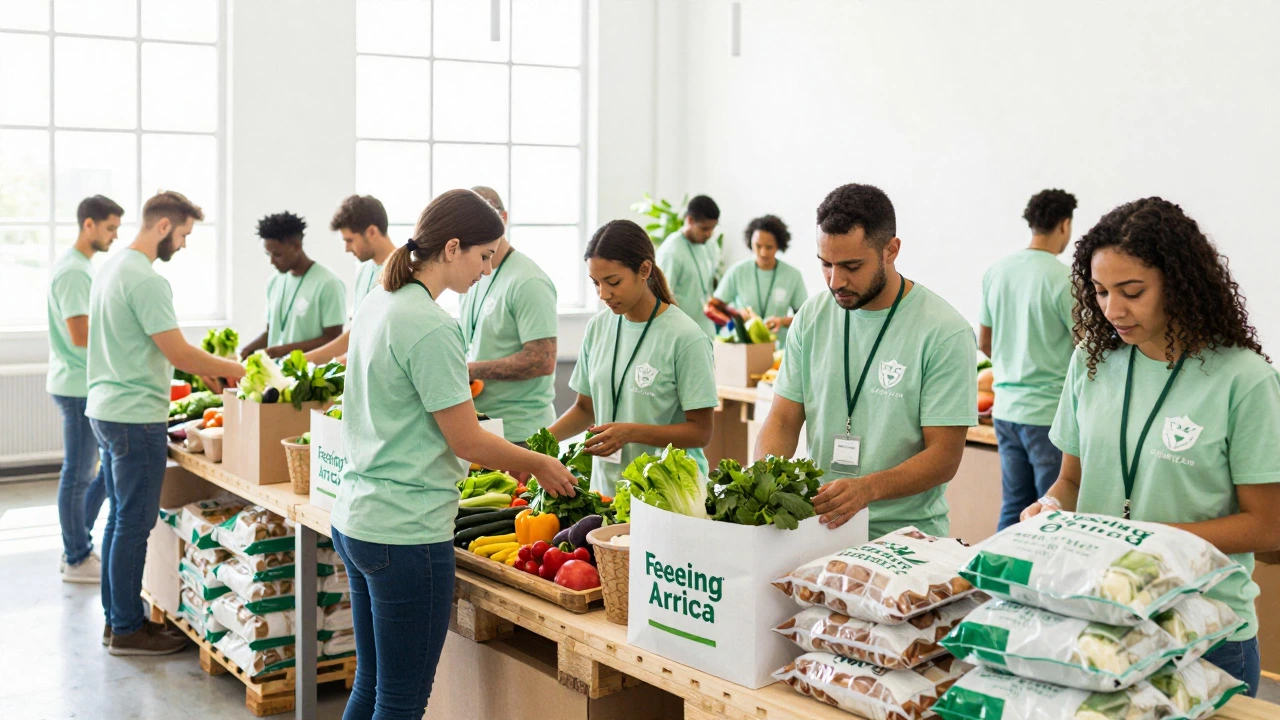
Global statistics are impressive, but hunger feels most personal when it happens in your own backyard. In the United States, Feeding America is the nation's largest domestic hunger-relief organization. It doesn't run soup kitchens itself; instead, it acts as a massive logistical hub for a network of nearly 200 food banks and 60,000 food pantries. In 2024 alone, Feeding America distributed over 6.6 billion meals. That is a staggering number, especially considering that food insecurity in developed nations has risen sharply due to inflation and economic instability.
Similarly, City Harvest is a New York-based nonprofit that rescues surplus food from restaurants and grocery stores to feed those in need. Their model is brilliant in its simplicity: intercept waste before it hits the landfill. By partnering with major retailers and farms, they rescue millions of pounds of fresh produce and prepared foods that would otherwise rot. This approach tackles two problems at once: hunger and environmental waste.
For someone living in Auckland, New Zealand, or any major city, supporting local equivalents like Foodbank NZ or local community fridges often yields immediate, visible results. You can see the trucks loading up. You can visit the pantry. The connection between your donation and the family receiving a bag of groceries is direct and tangible.
Prevention Over Cure: Heifer International and One Acre Fund
There is a growing consensus among experts that the best way to feed people is to stop them from going hungry in the first place. This is where organizations like Heifer International is a non-governmental organization dedicated to fighting global poverty and hunger through livestock gifts. come into play. Heifer doesn't just give cows; they train families in animal husbandry, sustainable farming, and business management. The goal is to create a cycle of generosity where recipients pass on "the gift of the firstborn" to another family, spreading resources exponentially.
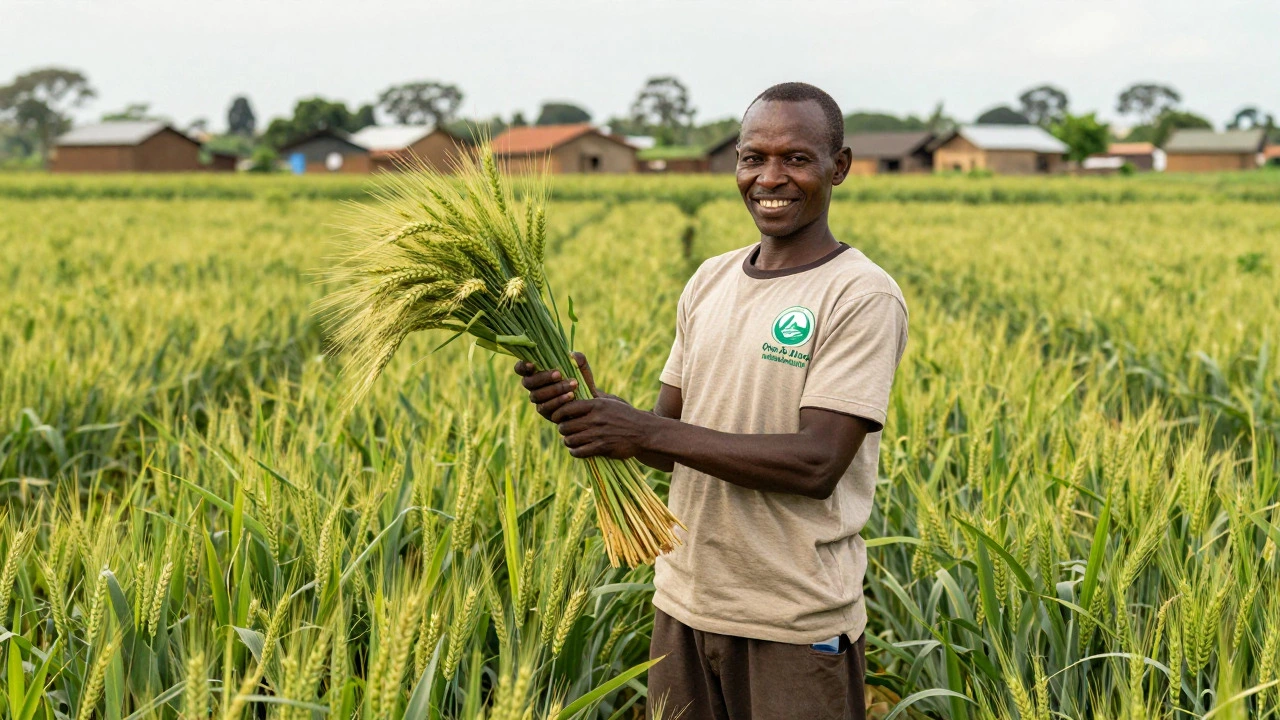
One Acre Fund is an international non-profit organization that provides smallholder farmers in Africa with access to quality inputs, training, financing, and market access. focuses on East African farmers. They provide seeds, fertilizer, and mobile banking services to millions of small-scale farmers. By increasing crop yields by 30-50%, they help families eat better and sell surplus for profit. This model addresses the root cause of hunger: lack of agricultural productivity.
These prevention-focused charities may not appear on lists of "who feeds the most people today," but they prevent millions from needing emergency aid tomorrow. They build resilience against climate change and economic shocks, making communities self-sufficient over time.
How to Choose the Right Charity
So, which one should you support? It depends on what kind of impact you want to make. Here is a quick breakdown to help you decide:
- For Maximum Reach: Choose the World Food Programme. Your money goes into the largest pool available, allowing for massive procurement and distribution in crisis zones.
- For Medical-Nutritional Impact: Choose Action Against Hunger. Focuses on saving lives from acute malnutrition, especially in children.
- For Domestic Impact (USA): Choose Feeding America. Supports the vast network of local food banks serving American communities.
- For Environmental + Social Good: Choose City Harvest or similar local rescue organizations. Reduces waste while feeding people.
- For Long-Term Solutions: Choose Heifer International or One Acre Fund. Invests in agriculture and education to end hunger permanently.
Before donating, check independent evaluators like Charity Navigator or GuideStar. Look for high ratings in financial health and accountability. A good rule of thumb is to look for organizations where at least 80% of expenses go directly to programs rather than administration or fundraising.
The Future of Hunger Relief
The landscape of hunger relief is changing. Climate change is making traditional farming harder in many regions, leading to more frequent famines. At the same time, technology is improving efficiency. Drones are being tested to deliver blood and vaccines to remote areas, and blockchain is being used to track food donations from farm to table, reducing fraud and waste.
New models are emerging too. Cash transfers are becoming increasingly popular. Instead of shipping food, organizations give digital vouchers to refugees and displaced people. This allows them to buy food locally, supporting local economies and giving them dignity and choice. The World Bank estimates that cash assistance can be up to 30% more cost-effective than in-kind food aid in stable markets.
As we move further into 2026, the definition of "feeding the most people" is shifting from quantity to quality and sustainability. It is no longer enough to just fill bellies; we must ensure those bellies are filled with nutritious food, sourced sustainably, and that the people eating them have the power to feed themselves next year.
Which charity is the most efficient at feeding people?
Efficiency varies by metric. Organizations like Direct Relief and Action Against Hunger often have higher program-to-overhead ratios than massive UN agencies. However, the World Food Programme achieves economies of scale that allow it to procure food at lower costs per unit than smaller NGOs. For pure cost-effectiveness in stable markets, cash-transfer programs managed by organizations like GiveDirectly are often cited as the most efficient method.
Does the World Food Programme still exist?
Yes, the World Food Programme (WFP) is very much active and is currently the largest humanitarian agency in the world. Despite funding challenges and bureaucratic criticisms, it remains essential for responding to large-scale crises in conflict zones and natural disasters.
What is the difference between a food bank and a hunger relief charity?
A food bank is typically a local warehouse that stores and distributes food to community agencies like shelters and pantries. A hunger relief charity is a broader term that can include food banks but also encompasses international aid organizations, advocacy groups, and agricultural development nonprofits. Feeding America is a hunger relief charity that operates a network of food banks.
Can I donate food instead of money?
Yes, most local food banks accept non-perishable food donations. However, experts generally recommend monetary donations. Cash allows charities to purchase food in bulk at wholesale prices, reduce transportation costs by buying locally, and respond flexibly to changing needs. One dollar donated often buys three times more food than if you bought groceries retail and drove them to the bank.
Why do some charities focus on cash transfers instead of food?
Cash transfers empower recipients to buy what they need most, whether that is food, medicine, or school supplies. It supports local markets and economies rather than flooding them with free goods. Studies show that cash aid is often more dignified and cost-effective, provided there are functioning markets nearby to purchase goods.