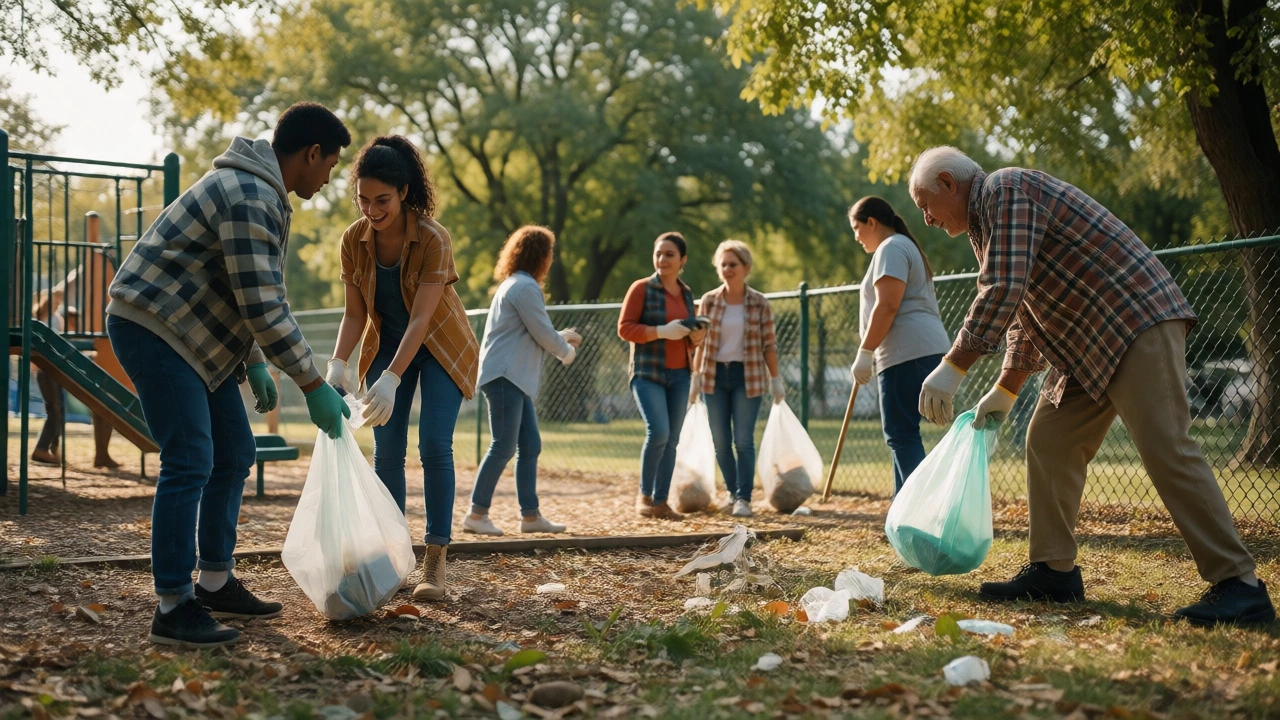
What is an Example of a Community Activity? Real-World Ideas That Work
Community Activity Finder
Not sure where to start? Filter through common community activities by goal and commitment level to find your best fit.
Park & Beach Cleanups
Immediate visual results. Great for building ownership of shared spaces.
⏱ Time: 2–4 hours / event
👥 Social: Moderate (Team-based)
Neighborhood Potluck
Low pressure way to meet neighbors. Focuses purely on relationship building.
⏱ Time: 3–5 hours / event
👥 Social: High (Large groups)
Tutoring Club
High impact mentorship. Requires consistency and patience with children.
⏱ Time: 1 hour / week
👥 Social: Low (1-on-1 or Small Group)
Walking Group
Combines fitness with accountability. Reduces isolation, especially for seniors.
⏱ Time: 30 mins / day
👥 Social: Moderate (Regular friends)
Community Gardens
Stress relief and nature connection. Good for those who prefer outdoor leisure.
⏱ Time: Flexible / Weekly
👥 Social: Low-Moderate (Casual chat)
Food Pantry Volunteer
Direct aid to survival needs. Logistics-focused work with high purpose.
⏱ Time: Shift-based (2-4 hrs)
👥 Social: Low (Task-oriented)
Story Nights
Deep listening and cross-cultural empathy. Intergenerational exchange.
⏱ Time: Monthly evenings
👥 Social: High (Intimate circles)
Cultural Festivals
High energy visibility. Showcases diversity through food and performance.
⏱ Time: Sporadic / Seasonal
👥 Social: Very High (Crowds)
You’ve heard the phrase “get involved in your community,” but what does that actually look like on a Tuesday afternoon? It’s not just about writing a check or showing up to a gala. A community activity is any organized effort where residents come together to solve a problem, celebrate culture, or improve shared spaces. The best examples aren’t grand gestures; they are small, repeatable actions that build trust between neighbors.
Think about the last time you walked down your street. Did you see people chatting over fences? Or did everyone keep their heads down? Community activities bridge that gap. They turn strangers into acquaintances and acquaintances into allies. But with so many options out there, picking the right one can feel overwhelming. Do you want to clean up a park? Teach kids to read? Or maybe help the elderly with groceries? This guide breaks down concrete examples, how to organize them, and why specific types work better for certain goals.
Defining Community Activity: More Than Just a Gathering
A lot of people confuse social events with community activities. They’re related, but they aren’t the same thing. A block party is fun, sure. But if it doesn’t have a purpose beyond having a good time, it’s primarily a social event. A community activity, by contrast, usually has an outcome. Maybe that outcome is cleaner streets, better literacy rates, or simply stronger relationships among residents who live within a five-minute walk of each other.
According to research from the American Psychological Association, social cohesion-the sense of belonging and solidarity-is directly linked to mental health and safety. When you engage in structured community work, you’re not just passing time; you’re building social capital. This is the network of relationships that allows people to cooperate for mutual benefit. So, when we talk about examples, we’re looking for things that generate this kind of connection.
| Goal | Example Activity | Primary Benefit | Time Commitment |
|---|---|---|---|
| Environmental Improvement | Park Cleanup Day | Visible results, pride in space | 2-4 hours |
| Social Connection | Neighborhood Potluck | Relationship building | 3-5 hours |
| Education & Youth | Tutoring Club | Skill development, mentorship | 1 hour/week |
| Health & Wellness | Walking Group | Mental health, fitness | 30 mins/day |
The Classic: Park and Beach Cleanups
If you need a low-barrier entry point, start with a cleanup. These are arguably the most common and effective examples of community outreach because they deliver immediate, visible results. You don’t need special skills to pick up trash. You just need gloves and a bag.
Consider the "Adopt-a-Park" programs run by councils in cities like Auckland or Seattle. Residents commit to maintaining a specific green space. Why does this work? Because it gives people ownership. When you’ve spent two hours pulling weeds from a playground, you care about what happens to that playground next week. You’re more likely to report broken equipment or confront litterers. It transforms passive users of public space into active stewards.
To make a cleanup successful, avoid making it feel like unpaid labor for the municipality. Frame it as a community project. Provide coffee and donuts afterward. Take before-and-after photos. Post them on local social media groups. Seeing the impact reinforces participation for the next round. If you’re organizing this, partner with your local waste management authority-they often provide free bins and bags for registered community groups.
Food Security: Community Gardens and Pantries
Food brings people together faster than almost anything else. Two distinct types of food-related activities dominate the landscape: community gardens and food pantries. While both involve food, they serve different psychological and practical needs.
Community gardens are shared plots of land where individuals grow produce collectively or individually. They are powerful because they combine physical activity, education, and socialization. In dense urban areas, a garden might be the only place where a child sees a carrot pulled from the dirt. For adults, it’s a reason to leave the house and talk to someone who isn’t a coworker. Studies from the Journal of Public Health indicate that gardeners report lower stress levels and higher life satisfaction compared to non-gardeners in the same neighborhoods.
On the flip side, food pantries are non-profit organizations that distribute donated food to those facing hunger. Volunteering here is less about growing and more about logistics and dignity. Sorting donations, packing boxes, and helping clients choose items requires empathy and organization. Unlike a garden, which is leisure-focused, pantry work addresses urgent survival needs. Both are vital, but they attract different volunteers. Gardeners often seek connection and nature; pantry volunteers often seek purpose and direct aid.
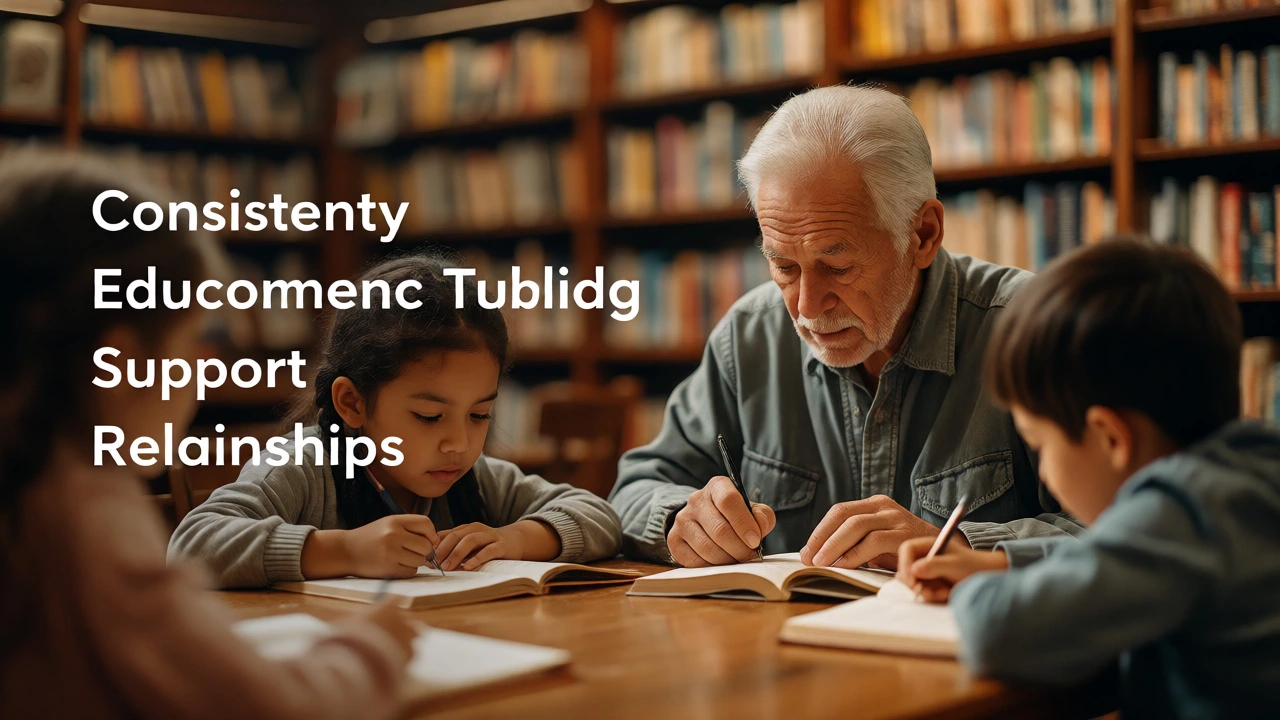
Educational Support: Tutoring and Library Programs
Not every community activity involves heavy lifting. Some of the most impactful efforts happen indoors, around tables and books. After-school tutoring programs and library reading circles are prime examples of intellectual community engagement.
Imagine a retired teacher spending three hours a week helping second-graders with reading comprehension. She’s not just teaching phonics; she’s providing stability. Many children in under-resourced neighborhoods lack consistent adult mentorship outside of school. A tutor fills that gap. These programs often operate through local libraries or community centers, which serve as neutral grounds accessible to everyone.
The key here is consistency. One-off visits don’t change outcomes. Relationships do. If you’re interested in this type of activity, look for organizations that offer training. Teaching isn’t always intuitive, and understanding how to support a frustrated child is a skill. Libraries are excellent hubs for these activities because they already have the infrastructure-quiet rooms, book collections, and foot traffic.
Health and Movement: Walking Groups and Fitness Classes
Physical health is a major driver for community participation, especially among older adults. Walking groups are simple, scalable, and highly effective. All you need is a safe path and a regular schedule. In New Zealand, where outdoor weather is generally favorable year-round, walking clubs thrive.
Why join a group instead of walking alone? Accountability and conversation. It’s easier to skip a solo walk when it’s raining. It’s harder to let down the three friends waiting for you at the park gate. Furthermore, walking groups reduce isolation, a known risk factor for depression in seniors. Some groups incorporate “parkour” elements or gentle yoga stretches at the end, adding variety without requiring gym memberships.
Local parks departments often host free “Move Your Body” sessions in public squares. These are open-access, meaning no sign-up fees. They rely on volunteer instructors or local fitness enthusiasts leading the charge. If you’re passionate about wellness, starting a weekly morning walk in your neighborhood is a zero-cost way to build community resilience.
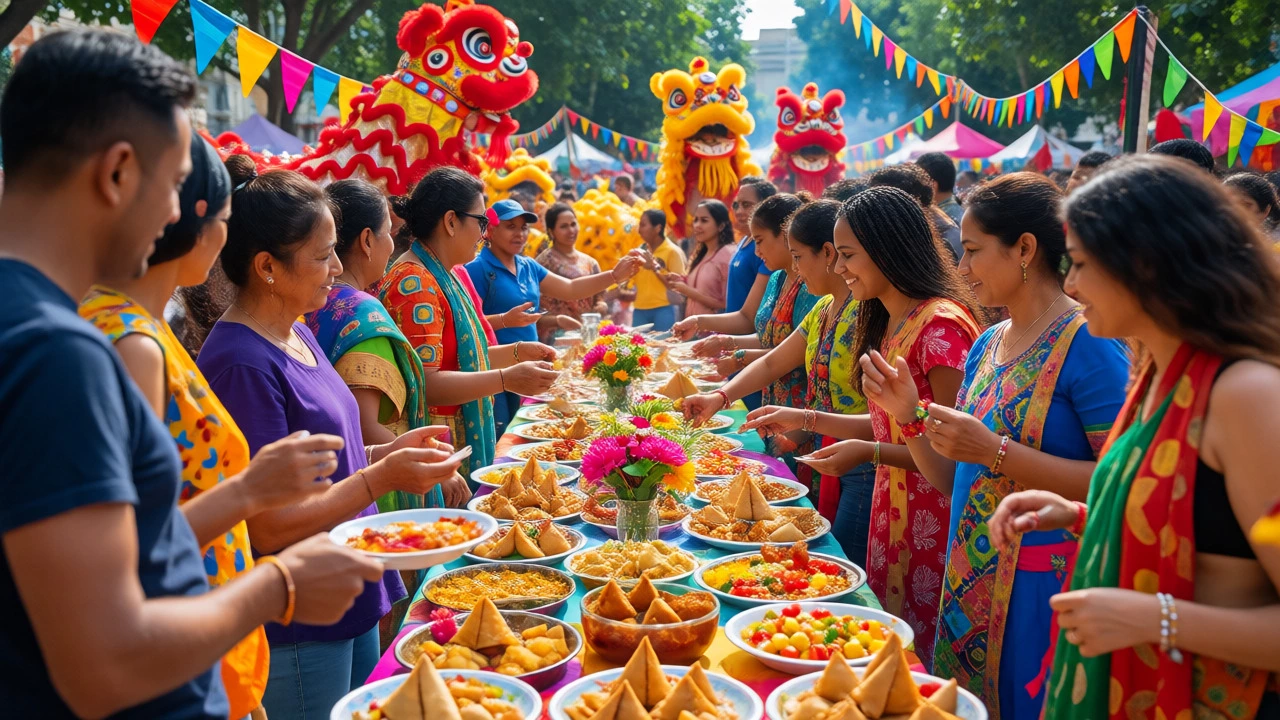
Cultural Exchange: Festivals and Story Nights
Communities are diverse. Sometimes, the biggest barrier to connection is misunderstanding. Cultural festivals and story nights break down these walls. These activities allow residents to share traditions, foods, and histories in a low-pressure environment.
A “Story Night” might sound informal, but it’s powerful. Imagine a monthly gathering at a community center where elders share memories of the neighborhood’s history, or new immigrants share stories from their home countries. This builds intergenerational respect and cross-cultural empathy. Unlike large festivals, which can be chaotic, story nights foster deep listening.
Festivals, on the other hand, are high-energy. Think of Lunar New Year parades or Diwali celebrations hosted in local town halls. These events showcase diversity visually and gastronomically. They invite people who might never step into a cultural center to try samosas or watch lion dances. The goal isn’t just entertainment; it’s visibility. When you see your culture represented in public spaces, you feel seen. That feeling encourages further civic participation.
How to Choose the Right Activity for You
With so many examples, how do you pick? Don’t guess. Assess your constraints and interests using this quick checklist:
- Time Availability: Can you commit weekly (tutoring), monthly (cleanups), or sporadically (festivals)? Be honest. Overcommitting leads to burnout.
- Skill Set: Are you handy? Try repairs or gardening. Are you good with kids? Try tutoring. Prefer logistics? Help with pantry inventory.
- Social Preference: Do you want to meet new people (potlucks) or work alongside existing friends (walking groups)?
- Impact Desire: Do you want immediate visual results (cleanup) or long-term societal change (advocacy meetings)?
Start small. Attend one event as an observer. Talk to the organizers. Ask what they struggle with most. Often, the hardest part isn’t doing the work-it’s coordinating it. Offering to handle social media posts or bring snacks can be a great entry point before taking on a larger role.
Common Pitfalls to Avoid
Even well-intentioned activities fail if they ignore basic human dynamics. Here are three mistakes to dodge:
- Top-Down Planning: Organizers decide everything without asking residents what they want. Result: Low turnout. Always survey your target audience first.
- Lack of Accessibility: Holding a meeting at 7 PM when single parents are putting kids to bed, or in a location without wheelchair access, excludes large segments of the community.
- No Follow-Up: People attend once, have fun, and forget. Send a thank-you email with photos and details on the next event. Keep the momentum alive.
Remember, a community activity is a marathon, not a sprint. Consistency beats intensity. Ten people showing up every Saturday will eventually transform a neighborhood more effectively than a hundred people showing up once.
What is the difference between community service and community activity?
Community service is typically mandatory or court-ordered work performed for a penalty or requirement, such as student hours. Community activity is voluntary and focuses on engagement, connection, and mutual benefit. While both involve working for the greater good, community activity emphasizes relationship-building and personal choice rather than obligation.
Do I need experience to volunteer for a community garden?
No, most community gardens welcome beginners. Experienced gardeners usually lead workshops or pair newcomers with mentors. Tasks range from watering and weeding (no experience needed) to planting and composting (which can be learned quickly). The primary requirement is willingness to learn and contribute time.
How do I find community activities near me?
Check local council websites, library bulletin boards, and platforms like Meetup or Facebook Groups dedicated to your neighborhood. Non-profits often list upcoming events on their calendars. Additionally, asking at local cafes or community centers can reveal informal gatherings that aren’t advertised online.
Are community activities tax-deductible?
Volunteer time itself is not tax-deductible in most jurisdictions, including New Zealand and the US. However, out-of-pocket expenses incurred while volunteering, such as mileage, supplies, or uniforms, may be deductible if you itemize deductions. Always consult a tax professional for specific advice regarding your situation.
What if I don’t have much time to spare?
Look for micro-volunteering opportunities. These include tasks that take 15-30 minutes, such as signing petitions, translating documents online, or checking in on elderly neighbors via phone. You can also participate in one-off events like holiday drives or weekend cleanups without committing to a recurring schedule.