How to Make After-School Clubs Fun: Practical Strategies for Engagement
After-School Club Session Planner
Based on the "10-5 Rule": Every 10 minutes of focused activity should be balanced with movement or social time to maintain high energy and prevent burnout.
Session Timeline
Session Summary
Select a phase above to see details, or generate a new plan to view the full breakdown.
Engagement Strategy Tips
- Kinetic Use physical movement to raise energy at the start.
- Tactile Use hands-on materials to maintain focus during core tasks.
- Social Use group interaction to build community and cool down.
- Sedentary Use quiet reflection only at the very end.
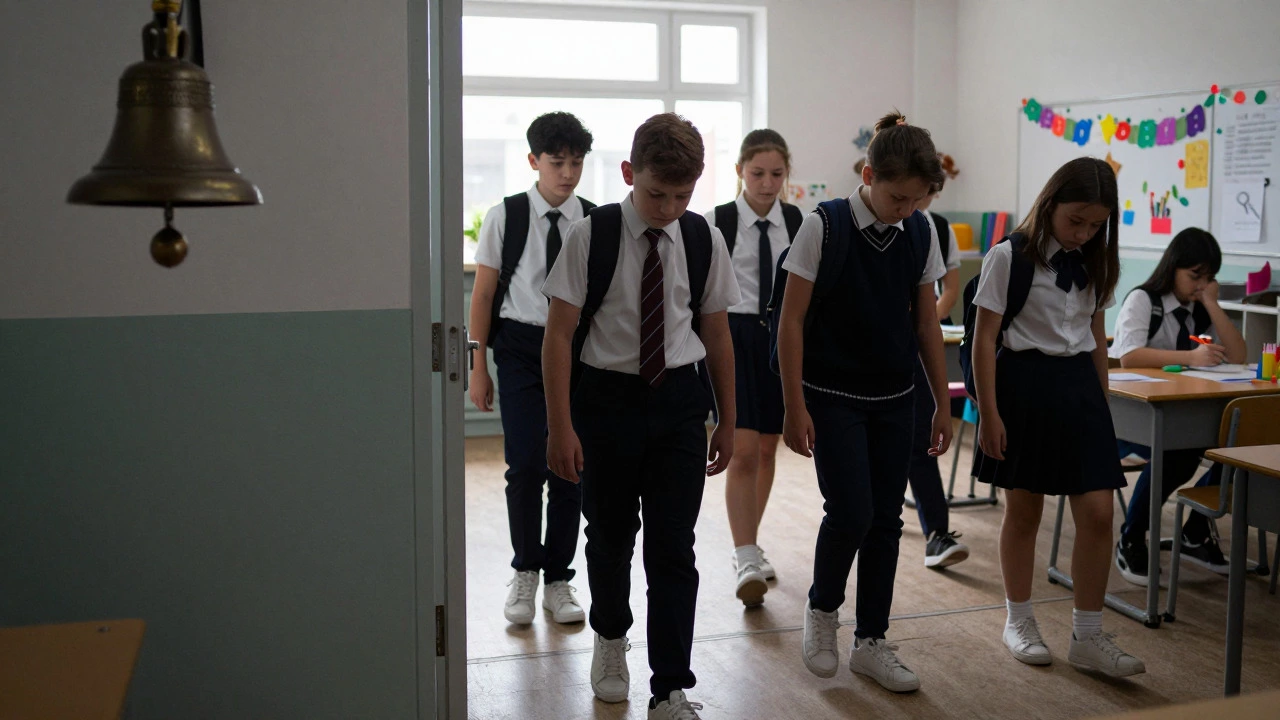
It’s 3:15 PM. The school bell rings, and instead of a rush of energy, you see a group of kids dragging their feet toward the exit. They’re tired. They’ve been sitting still all day. If your after-school club feels like just another extension of the classroom, you’re not alone. Many program leaders struggle with the same issue: how do you make after-school clubs genuinely fun without turning them into chaos or a babysitting service?
The answer isn’t about buying expensive equipment or hiring professional entertainers. It’s about shifting the mindset from "instruction" to "experience." When students feel ownership and excitement, attendance spikes, and behavior issues drop. Here is how you can transform a dull gathering into a place kids actually look forward to.
Shift the Dynamic: From Teacher to Facilitator
The biggest barrier to fun is the power dynamic. In a classroom, the adult knows the answers, sets the rules, and grades the work. In a club, that hierarchy needs to flip. If you stand at the front of the room lecturing about art history while they paint, it’s homework. But if you sit on the floor next to them, asking what colors make them feel happy, it’s play.
Try these specific shifts:
- Lower the stakes: Remove grading entirely. There are no wrong answers in a creative club. A messy drawing is better than a perfect one because it shows effort and joy.
- Use open-ended questions: Instead of saying "Draw a dog," ask "What does a dog sound like?" or "How would a dog dance?" This sparks imagination rather than compliance.
- Let them lead: Once a month, let the students choose the activity. Even if it’s something simple like a video game tournament or a snack-making contest, their choice creates immediate investment.
When you step back, you stop being the authority figure and start being a partner in their exploration. This reduces anxiety and opens up space for genuine laughter and creativity.
Design Activities That Engage All Senses
Boredom often comes from monotony. If every session involves sitting and listening, kids will tune out. To keep energy high, you need to mix physical movement, tactile experiences, and social interaction. This is known as multisensory engagement, and it keeps the brain alert and happy.
| Activity Type | Engagement Level | Energy Impact | Best For |
|---|---|---|---|
| Sedentary (e.g., reading) | Low-Medium | Lowers energy | Cool-downs, reflection |
| Kinetic (e.g., sports, dance) | High | Raises energy | Start of session, high-energy groups |
| Tactile (e.g., clay, cooking) | Medium-High | Maintains focus | Creative expression, sensory needs |
| Social (e.g., games, debate) | Variable | Depends on group dynamics | Building community, communication skills |
A good rule of thumb is the "10-5 Rule": Every 10 minutes of focused activity, give them 5 minutes of free movement or social time. This prevents the restlessness that leads to behavioral issues. For example, if you’re running a science club, don’t just show a video. Let them touch the materials, smell the safe chemicals, or physically build a model. The more senses involved, the deeper the memory and the more fun the experience feels.
Create a Safe Space for Failure
Fun dies when fear takes over. Kids worry about looking stupid, making mistakes, or being judged by peers. Your job is to create an environment where failure is celebrated as part of the process. This concept is central to psychological safety in youth development.
Here is how to build that culture:
- Model imperfection: Show them your own failed attempts. If you’re teaching music, play a song badly on purpose and laugh. If you’re doing art, show a crooked sketch. When they see you aren’t perfect, they relax.
- Reframe mistakes: Use language that normalizes error. Say "Oops, let’s try that again" instead of "That’s wrong." Celebrate the attempt, not just the result.
- Establish ground rules together: At the start of the year, have the students write down what makes a club safe and fun. Post these rules visibly. When a conflict arises, refer back to *their* rules, not yours.
When kids feel safe, they take risks. And taking risks is where the real fun happens. They’ll try new things, speak up, and push their boundaries because they know they won’t be punished for stumbling.

Incorporate Choice and Autonomy
Autonomy is a basic human need, especially for adolescents and pre-teens. If every aspect of the club is dictated by the leader, it feels like control. Giving choices, even small ones, restores a sense of agency.
You don’t need to let them run the whole program. Simple choices work wonders:
- Music choice: Do they want upbeat pop or calm acoustic during craft time?
- Seating arrangement: Can they sit in circles, rows, or clusters?
- Project scope: If building a robot, do they want to focus on speed or appearance?
This level of autonomy reduces resistance. When kids feel they have a say, they are less likely to complain or disengage. It also teaches decision-making skills in a low-pressure environment. Over time, you can expand these choices to include planning entire sessions or leading specific parts of the activity.
Keep Sessions Short and Punchy
Attention spans in after-school settings are shorter than in the morning. Kids are hungry, tired, and mentally drained. A two-hour lecture-style session will fail. Instead, structure your time in short bursts.
A typical 90-minute session might look like this:
- Warm-up (10 mins): High-energy game or icebreaker to shake off the day.
- Main Activity Part 1 (20 mins): Focused task with clear instructions.
- Break/Movement (5 mins): Water, stretch, or quick chat.
- Main Activity Part 2 (20 mins): Continue the task, allowing for peer collaboration.
- Cool-down/Reflection (10 mins): Share what they made or learned. Keep it light.
- Free Time/Socializing (15 mins): Unstructured time to talk, play cards, or just hang out.
This rhythm respects their energy levels. The key is flexibility. If the main activity is going great, extend it. If they’re restless, cut it short and move to something active. Reading the room is a skill that improves with practice.
Build Community Through Rituals
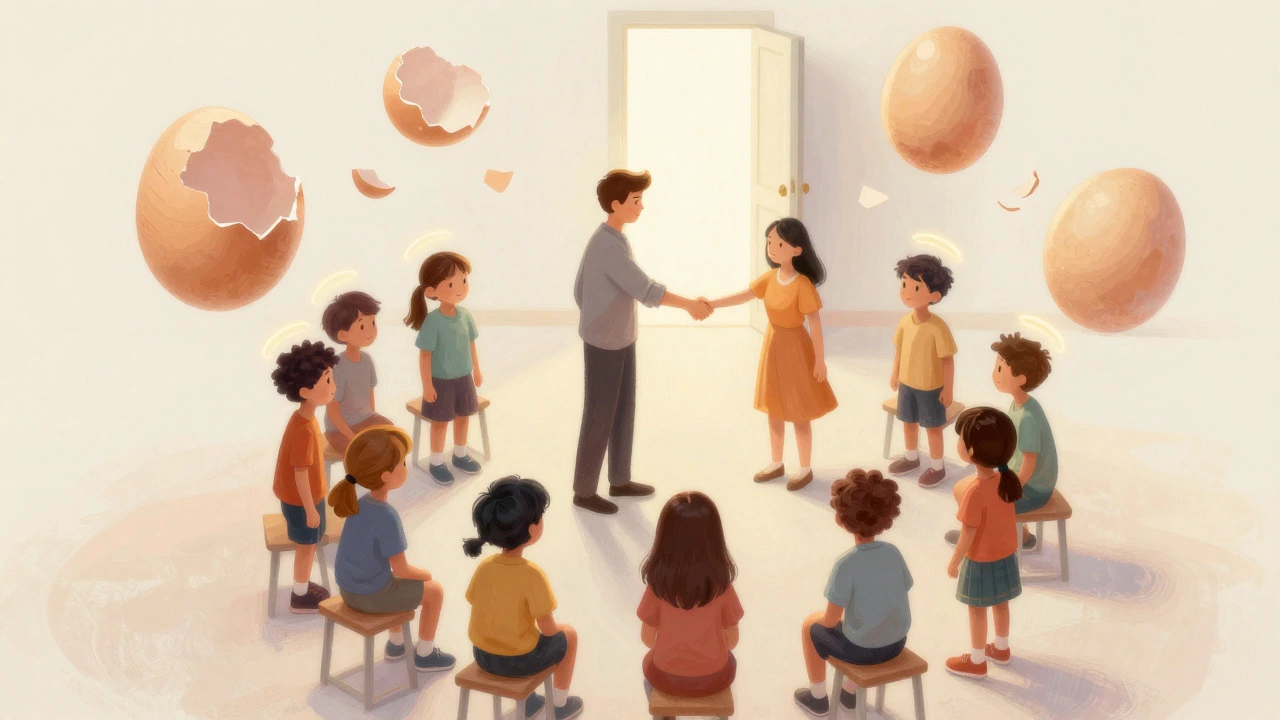
Fun isn’t just about individual activities; it’s about belonging. Regular rituals create a sense of identity and continuity. These are the small, repeated actions that make the club feel like "ours."
Examples of effective rituals include:
- A unique greeting: A specific handshake, chant, or phrase used only in your club.
- Weekly themes: Dress up in a certain color, use a specific prop, or celebrate a random holiday each week.
- End-of-session check-in: Everyone shares one word describing how they feel before leaving.
These rituals signal that the club is a distinct space, separate from school and home. They foster camaraderie and give kids something to look forward to. Over time, these shared experiences become memories that strengthen the group bond.
Frequently Asked Questions
How long should an after-school club session be?
Ideally, sessions should last between 60 to 90 minutes. Any longer, and you risk burnout for both students and leaders. Shorter sessions (45 minutes) can work well for younger children or highly energetic groups. The key is to end on a high note, not when everyone is exhausted.
What if students don't want to participate?
Don't force participation. Allow observers to watch first. Often, seeing others enjoy the activity will draw them in. You can also assign them a supportive role, like helping set up or handing out materials, which lowers the pressure to perform but keeps them engaged.
Do we need expensive supplies to make clubs fun?
No. Creativity beats cost. Cardboard boxes, recycled paper, local park spaces, and digital tools are often more engaging than expensive kits. The focus should be on the experience and interaction, not the material value of the props.
How do you handle conflicts in a fun environment?
Address conflicts quickly and privately. Use the group's agreed-upon ground rules. Focus on the behavior, not the person. Since the goal is fun, resolve issues swiftly so they don't dampen the overall mood. Debrief later if necessary, but keep the session moving.
Can technology help make clubs more fun?
Yes, if used intentionally. Tablets, projectors, or gaming consoles can enhance activities, but they shouldn't replace interaction. Use tech as a tool for creation or competition, not passive consumption. Balance screen time with hands-on and face-to-face activities.