How to Promote After School Clubs: A Practical Guide for Leaders
After School Club Promotion Strategy Builder
Select your primary target audience and preferred promotion channels to receive a tailored action plan.
Picture this: You’ve spent weeks planning the perfect curriculum for your new robotics or debate club. The schedule is set, the materials are ready, and you’re excited to start. But when the first session arrives, only three students show up. It’s a frustrating scenario that many educators and community leaders face. The problem isn’t usually the quality of the club; it’s visibility. If parents and students don’t know the club exists, they can’t join.
Promoting after school clubs requires more than just putting up a flyer on the bulletin board. In today’s digital-first world, attention is fragmented. Parents are busy, students are scrolling through social media, and school newsletters often get lost in crowded inboxes. To fill those seats, you need a strategy that meets people where they are-both online and offline. This guide breaks down practical, low-cost ways to build buzz, recruit members, and keep them engaged throughout the term.
Know Who You Are Trying to Reach
Before you send out a single email or print a poster, you need to understand your audience. There are actually two distinct groups you need to convince: the students who will attend and the parents who must approve their attendance. These two groups have very different motivations and communication preferences.
Students are driven by peer influence, fun, and relevance. They want to know if their friends are going, if the activity looks cool, and if it will help them with their hobbies or future goals. For younger kids, the appeal might be simple play or snacks. For teenagers, it’s about social status, skill-building for college applications, or just a break from academic pressure. Your messaging for students should focus on experience and belonging.
Parents care about safety, value, and logistics. They want to know who is supervising the children, what they will learn, and whether it fits into their evening routine. Safety credentials, qualified instructors, and clear pickup/drop-off procedures are non-negotiable for most families. When promoting to parents, emphasize structure, educational benefits, and peace of mind.
| Audience | Primary Motivation | Key Information Needed | Best Communication Channel |
|---|---|---|---|
| Students | Social connection, fun, skill mastery | What will we do? Who else is coming? | Social media (TikTok, Instagram), peer-to-peer word of mouth |
| Parents | Safety, education, convenience | Who is supervising? What time does it end? | Email newsletters, school apps, printed flyers at home |
Leverage Digital Channels Effectively
In 2026, digital promotion is not optional. Even if your club is traditional, like chess or knitting, your audience lives online. However, you don’t need a massive budget or a marketing team. You just need to be consistent and authentic.
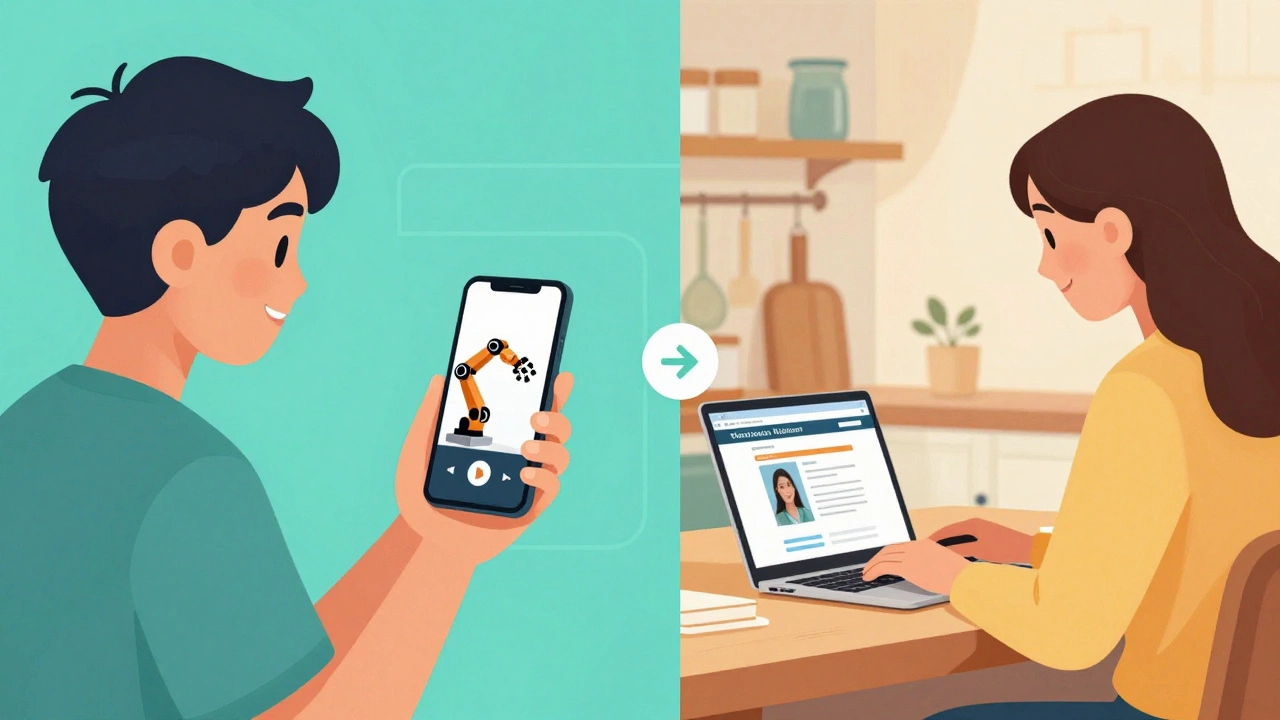
Social Media platforms allow for visual storytelling and real-time updates. Create a dedicated account for your club or use the school’s official channels if permitted. Short-form video content works exceptionally well. Post a 15-second clip of a student demonstrating a robot arm moving or reciting a poem. Show the energy and the results. Use hashtags relevant to your local area and the specific activity. For example, #AucklandYouthRobotics or #NZDebateClub helps local users find you.
Email remains one of the most effective tools for reaching parents. Partner with the school administration to include a brief, compelling blurb in the weekly newsletter. Don’t just list facts; tell a story. Instead of saying “Chess Club meets Tuesdays,” try “Join us every Tuesday to learn how grandmasters think and improve your concentration skills.” Include a direct link to sign up. Make sure the registration process is simple-one click if possible.
If your school uses a parent communication app like ClassDojo, Seesaw, or a custom district portal, ensure your club has a visible profile there. Many parents check these apps daily for homework reminders, so placing your information in that high-traffic zone increases visibility significantly.
Master the Art of Offline Promotion
Digital tools are powerful, but physical presence builds trust. For many communities, especially those with less reliable internet access or older demographics, tangible materials still matter. The key is to place your promotional materials where eyes naturally fall.
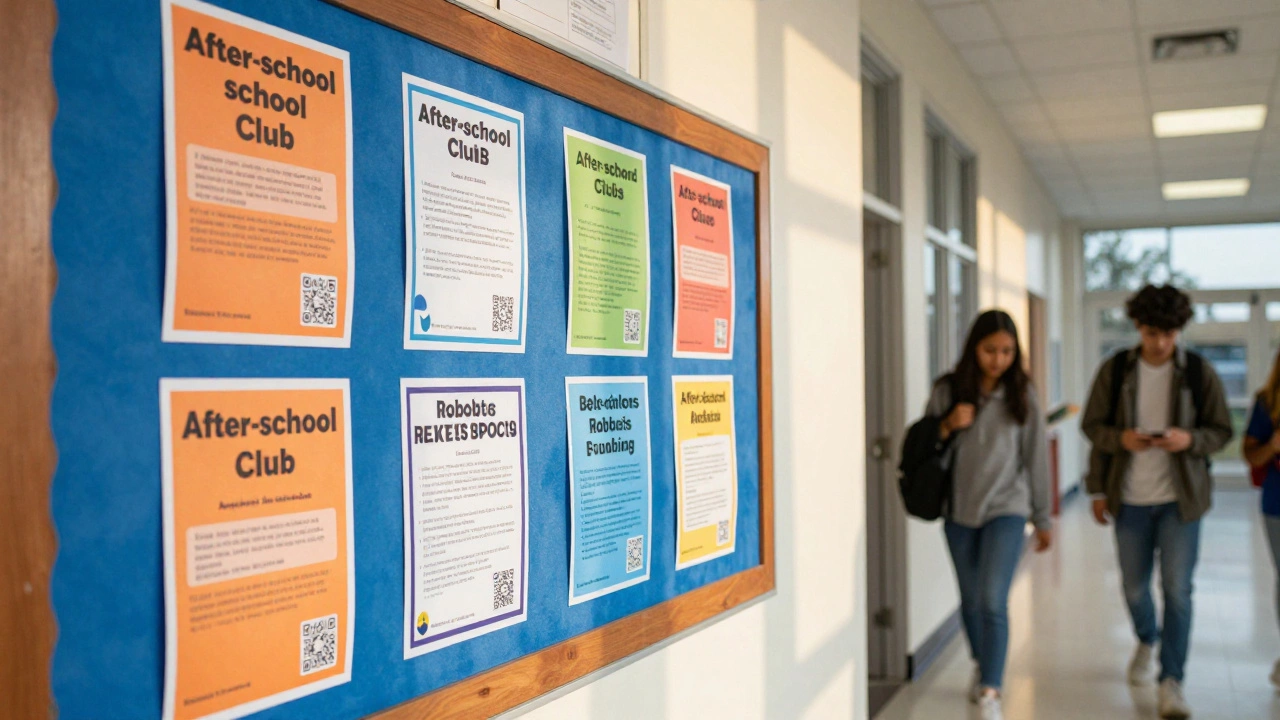
Flyers should be designed with clarity in mind. Avoid clutter. Use large, bold fonts for the club name and meeting times. Include a QR code that links directly to the registration page. Place these flyers in high-traffic areas: the school cafeteria entrance, library checkout counters, and local community centers. Ask permission before posting in businesses, but many cafes and libraries are happy to support youth programs.
Word of Mouth is the most trusted form of advertising. Encourage current members to bring a friend. Offer a small incentive, like a free sticker or priority seating, for referrals. Train your existing members to talk about the club enthusiastically. When a student tells their friend, “You have to come to coding club, we built a game last week,” it carries more weight than any advertisement.
Host an open house or a “try-before-you-buy” event. Invite students to drop in for a 30-minute demo session without committing to the full term. This lowers the barrier to entry. Parents can watch from the sidelines, see the supervision, and observe their child’s interest level firsthand.
Build Partnerships Within the Community
You don’t have to promote your club alone. Collaborating with other organizations expands your reach exponentially. Look for partners who share your target audience but aren’t direct competitors.
Local libraries are excellent allies. They often host events and have mailing lists of families interested in learning activities. Propose a joint event, such as a storytelling hour that leads into a writing club. Public schools can also partner with nearby primary schools to offer cross-grade mentoring opportunities, which adds value for both institutions.
Engage with local businesses. A sports club might partner with a nearby sporting goods store for discounts on equipment. An art club could display student work in a local cafe window. These partnerships provide exposure to the business’s customers while giving your club credibility and resources.
Consider reaching out to local influencers or community leaders. In Auckland, for instance, there are many active parent bloggers and local news outlets that cover youth initiatives. A short feature article or social media shout-out from a respected local figure can drive significant interest.
Create Compelling Content That Converts
The medium matters, but the message matters more. Your promotional content needs to answer the question, “Why should I care?” Focus on benefits, not features. Features are what you do; benefits are what the participant gains.
- Feature: We meet twice a week for one hour.
Benefit: Build consistent habits and make lasting friendships. - Feature: Led by certified teachers.
Benefit: Learn safe, effective techniques from experts. - Feature: Access to professional-grade equipment.
Benefit: Create projects you can be proud of and add to your portfolio.
Use testimonials from past participants. A quote from a former member saying, “This club helped me gain confidence in public speaking,” is incredibly persuasive. Share success stories on your website and social media. Highlight diverse achievements-not just academic wins, but personal growth and community impact.
Visuals are crucial. Use high-quality photos of students actively engaged in the activity. Avoid stock images; they feel impersonal. Real faces create emotional connections. Ensure you have proper consent forms signed by parents for any photos used in promotional materials.

Measure and Adjust Your Strategy
Promotion is not a set-it-and-forget-it task. You need to track what works and refine your approach over time. Keep simple records of where new members hear about your club. Add a field on your registration form asking, “How did you hear about us?”
Analyze this data at the end of each term. If most responses come from “friend referral,” double down on your referral program. If “school newsletter” is top, ask the administration to feature you more prominently. If social media brings few sign-ups, reconsider your content strategy or platform choice.
Also, monitor retention rates. Getting students to sign up is half the battle; keeping them engaged is the other half. If you notice high dropout rates after the first month, investigate why. Is the difficulty level wrong? Are the meetings too long? Feedback surveys sent to parents and students can provide valuable insights for improvement.
Stay flexible. Trends change, and so do student interests. A club that was popular last year might lose steam. Be willing to pivot your messaging or even adjust the club’s focus based on feedback. Regularly refreshing your promotional materials keeps the club feeling current and exciting.
Common Pitfalls to Avoid
Even well-intentioned promoters make mistakes. Here are some common errors that hinder growth:
- Being too vague: Saying “Come join our fun club” doesn’t tell anyone what to expect. Be specific about activities and outcomes.
- Ignoring accessibility: Ensure your promotional materials and registration process are accessible to all families, including those with disabilities or limited English proficiency. Provide translations if needed.
- Over-promising: Don’t exaggerate the benefits or the ease of participation. Set realistic expectations to avoid disappointment later.
- One-way communication: Promotion should be a dialogue. Respond to comments, questions, and concerns promptly. Engaging with your audience builds community.
Remember, building a thriving after-school club takes time and persistence. Start small, stay consistent, and always keep the needs of your students and parents at the forefront. With the right mix of digital savvy, community partnership, and genuine enthusiasm, you can fill those seats and create a vibrant space for young people to grow.
How much does it cost to promote an after-school club?
Promotion can be nearly free if you leverage existing channels like school newsletters, social media, and word of mouth. Costs may arise from printing flyers or boosting social media posts, but these are optional. Focus on organic growth first before investing in paid advertising.
What is the best time to start promoting a new club?
Start promoting at least four to six weeks before the club begins. This gives parents enough time to consider the option, discuss it with their children, and complete any necessary registrations. Tease the club earlier with sneak peeks to build anticipation.
Can I use student photos for promotion without permission?
No, you must have written consent from parents or guardians before using any student’s image in promotional materials. Always have a media release form as part of the initial registration process to avoid legal issues and respect privacy.
How do I handle low enrollment despite good promotion?
Re-evaluate your timing, pricing, and location. Conduct surveys to understand barriers. Consider adjusting the schedule to better fit family routines or offering scholarships to reduce financial constraints. Sometimes, rebranding the club’s focus can attract a different demographic.
Is social media necessary for promoting after-school clubs?
While not strictly mandatory, social media is highly recommended in 2026 due to its widespread use among both students and parents. It allows for dynamic, visual updates and easy sharing. However, combine it with traditional methods like emails and flyers for maximum reach across all age groups.