Is It Illegal to Sleep in Your Car? State-by-State Guide
Vehicle Dwelling Legality Checker
Select a state to see the general legal status and key restrictions for sleeping in your vehicle. Remember: Local city ordinances often override state laws.
State Name
Status
Key Restriction details go here.
Safety Tips:
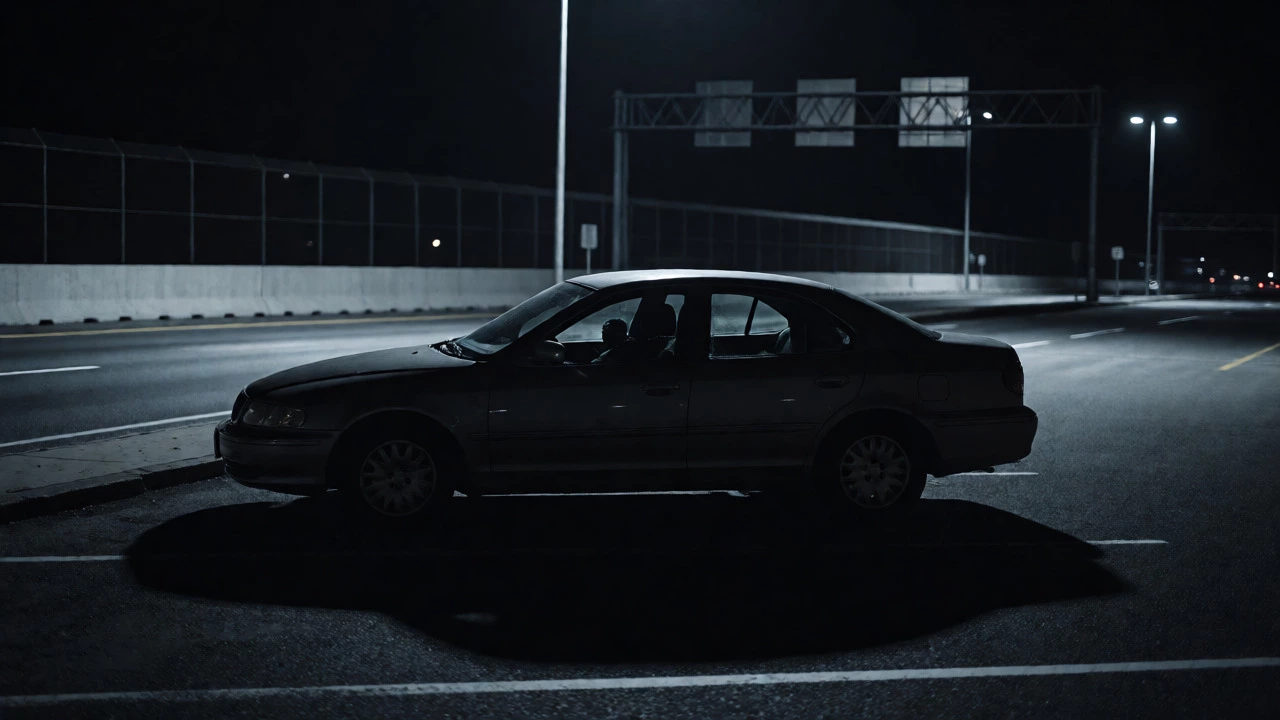
You pull into a rest stop at 10 PM, exhausted. You recline the seat, lock the doors, and try to catch some shut-eye. But is that nap legal? Or will you wake up to a flashlight in your face and a ticket for "loitering" or "camping"?
The truth is messy. There is no single federal law that says you can or cannot sleep in your car. Instead, it’s a patchwork of state statutes, local ordinances, and private property rules. If you’re living in your vehicle-whether by choice as part of the Van Life movement or due to housing instability-knowing where you can legally park and rest is critical for safety and avoiding fines.
The Big Myth: No Federal Ban
First, let’s clear up the biggest misconception. The U.S. government does not have a blanket ban on sleeping in vehicles. The Federal Highway Administration generally allows overnight parking at interstate rest areas unless posted otherwise. However, just because it’s allowed federally doesn’t mean your state agrees. Many states have specific codes regarding "dwelling," "camping," or "abandonment" that criminalize sleeping in a parked car, especially if it looks like you’re living there rather than just resting during a long drive.
Why does this matter? Because if you are experiencing homelessness, you might be forced to sleep in your car when shelters are full. A citation for illegal camping can lead to towing, which means losing your home. Understanding the nuance between "resting" and "dwelling" is key.
States Where Sleeping in Your Car Is Generally Legal
In several states, the law is relatively forgiving. These places often distinguish between temporary rest (which is safe driving practice) and permanent habitation. In these jurisdictions, you can typically sleep in your car at designated rest stops, campgrounds, or sometimes even on public streets, provided you aren’t blocking traffic or violating local noise ordinances.
- Arizona: Known for being tolerant of vehicle dwellers, especially near national parks and desert campsites. While Phoenix has stricter city ordinances, statewide rules are lenient about resting in vehicles at rest areas.
- Utah: Often cited as one of the most friendly states for overlanders. Utah code allows sleeping in vehicles at rest areas and many public lands, though BLM land rules vary by district.
- Montana & Wyoming: Rural vastness means fewer eyes watching. Sleeping in your car is rarely an issue outside major towns, but always check city limits.
- Texas: Texas allows sleeping in cars at rest areas along interstates. However, urban centers like Houston and Dallas have strict anti-camping laws that apply within city limits.
- Florida: Generally permits sleeping in vehicles at rest stops. But beware of hurricane season evacuations or high-tide warnings that may change access.
States with Strict Bans or Heavy Restrictions
On the flip side, some states actively discourage or prohibit sleeping in vehicles, particularly in urban areas or coastal zones. Here, the definition of "camping" often includes any person sleeping in a vehicle outside a designated campground.
| State | General Legality | Key Restriction | Risk Level |
|---|---|---|---|
| California | Varies by City | LA bans street parking overnight; SF restricts camping in parks. | High |
| New York | Restricted | NYC prohibits sleeping in vehicles on public streets. | Very High |
| Washington | Mixed | Seattle enforces strict anti-camping ordinances in urban zones. | Medium-High |
| Colorado | Strict in Cities | Denver and Boulder have banned camping in parks and many streets. | Medium |
| Hawaii | Prohibited | Statewide ban on camping outside designated sites. | High |
California deserves special mention. It’s not that the state bans it outright, but cities like Los Angeles and San Francisco have aggressive enforcement. In LA, you can’t park on residential streets from 2 AM to 6 AM. In SF, sleeping in your car in Golden Gate Park can result in a fine. If you’re in California, assume it’s illegal until you find a sign saying otherwise.
The Role of Homeless Shelters and Urban Ordinances
Here’s the hard reality: if you don’t have a car, you rely on homeless shelters. If you do have a car, you might think you’re exempt from needing a bed. But many cities view vehicle dwelling as a form of homelessness. This leads to "hostile architecture" and laws designed to push people out of sight.
For example, in Seattle, Washington, the city has moved toward providing more shelter beds but also increased sweeps of encampments, including those involving vehicles. In Portland, Oregon, while historically tolerant, recent changes have tightened rules on where you can park overnight. The trend across the West Coast is shifting from "don't ask, don't tell" to active enforcement.
If you are using your car as your primary residence, you need to know the difference between a Rest Area and a Campground. Rest areas are for short breaks (usually 8-10 hours). Campgrounds require payment and registration. Sleeping in a Walmart lot? That’s not a law-it’s a corporate policy. And policies change. Some Walmarts now ban overnight parking entirely.
How to Stay Safe and Legal When Sleeping in Your Car
Just because it’s legal doesn’t mean it’s smart. Safety should be your top priority. Here are practical steps to reduce risk and avoid tickets:
- Check Local Signs First: Never assume. Look for signs that say "No Overnight Parking," "No Camping," or "Tow Away Zone." If you see them, leave.
- Use Designated Rest Areas: Interstate rest stops are the safest bet for short naps. They have lights, bathrooms, and security patrols.
- Avoid Residential Streets: Neighbors complain. Cops respond to complaints. Even if it’s technically legal, you’ll get kicked out.
- Be Invisible: Use blackout curtains. Don’t set up chairs or tables outside. Keep your footprint small. If you look like you’re "living" there, you’re more likely to get flagged.
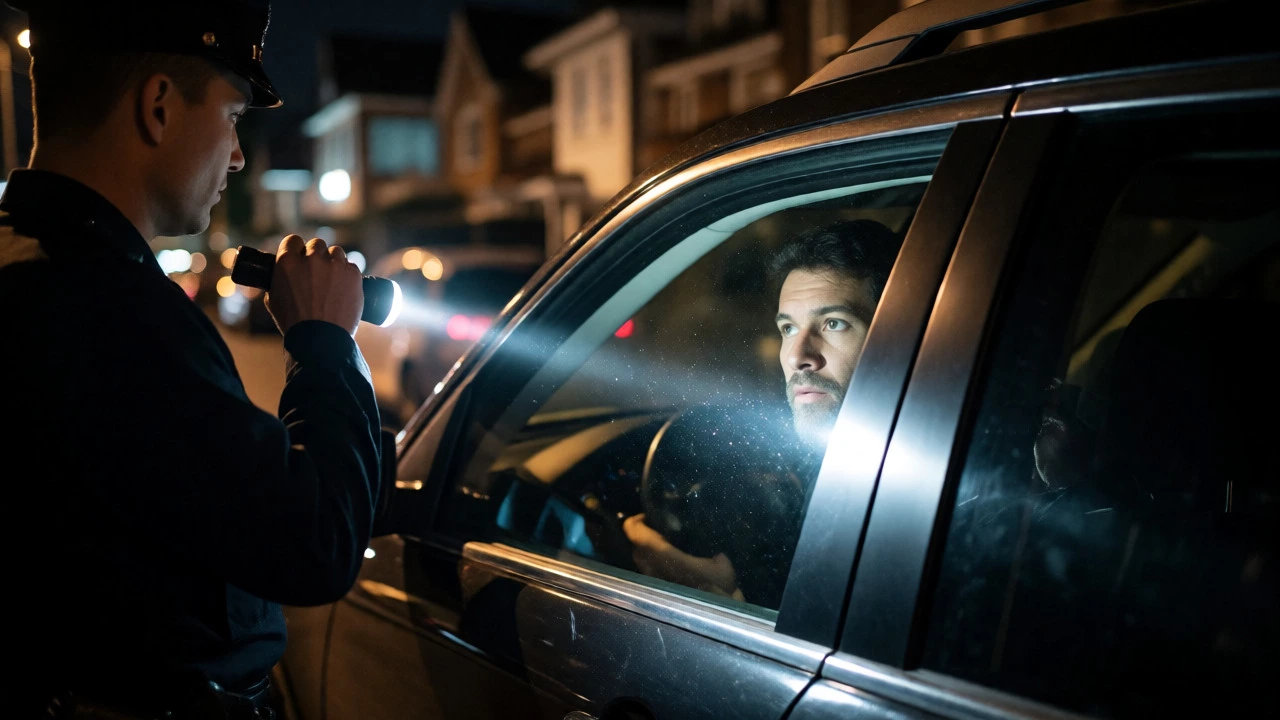
- Know Your Rights: If pulled over, stay calm. Explain you are resting, not camping. Ask if there is a specific ordinance prohibiting it. Record the interaction if possible.
Also, consider the weather. In northern states like Minnesota or North Dakota, sleeping in a car in winter without proper insulation can be dangerous. Hypothermia is real. Conversely, in Arizona or Nevada, heat stroke is a risk. Always have a backup plan, like a nearby 24-hour gym or library where you can shower and warm up.
What Happens If You Get Caught?
If you violate a local ordinance, consequences vary. Typically, it starts with a warning. Then a fine ($50-$500). If you ignore multiple citations, they may tow your vehicle. Towing fees plus impound storage can cost $300-$1,000, which is devastating if you’re already struggling financially.
In some cases, repeated offenses can lead to misdemeanor charges for "public nuisance" or "illegal lodging." This creates a criminal record, which makes finding future housing or employment harder. That’s why prevention beats cure every time.
Beyond the Law: Community Resources
Legal clarity is good, but community support is better. Many non-profits help vehicle dwellers navigate these rules. Organizations like The National Alliance to End Homelessness offer resources on housing-first models that prioritize getting people into stable housing, reducing the need to sleep in cars altogether.
If you’re new to vehicle dwelling, connect with local groups. Facebook groups like "Van Life [City Name]" or "Car Camping USA" are goldmines for real-time intel on where cops are patrolling tonight. Laws change fast. What was legal last month might be fined today.
Frequently Asked Questions
Is it illegal to sleep in my car at a gas station?
It depends on the owner's policy and local laws. Most gas stations allow short rests but prohibit overnight camping. If you sleep there all night, you might be asked to move. Always ask staff first to avoid conflict.
Can I live in my car permanently?
Legally, yes, in many states. But practically, it’s difficult. You need a place to park legally every night, access to showers, and mail delivery. Many cities define "permanent residence" differently, so check local zoning laws.
Do homeless shelters accept people who own cars?
Many shelters do, but they may require you to park your car elsewhere. Some shelters have secure parking lots, but space is limited. Call ahead to confirm their vehicle policy before arriving.
Is sleeping in a car safer than a shelter?
It varies. Cars offer privacy and security (locked doors), but lack amenities like heating, cooling, and hygiene facilities. Shelters provide community and services but can have issues with theft or violence. Weigh your personal comfort and safety needs.
What is the difference between resting and camping?
Resting implies a short break for driver fatigue. Camping implies setting up living quarters (chairs, awnings, cooking gear). Enforcement officers use visual cues to decide. If you look like you're camping, you'll be treated as such.