

The Hidden Downsides of Volunteers: Managing the Risks
Volunteer Cost-Benefit & Risk Analyzer
Determine if a specific task is "Mission-Critical" or if the "Management Tax" outweighs the benefit of free labor.
Key Takeaways for Managers
- Unpaid labor often requires more oversight and training than paid staff.
- High turnover rates can lead to "institutional memory loss."
- Lack of accountability can create inconsistent quality in service delivery.
- Emotional burnout is common when volunteers over-identify with a cause.
- Dependency on a few "super-volunteers" creates a dangerous single point of failure.
The Management Tax: Why Free Labor Isn't Free
When you hire a professional, you pay for their expertise and their reliability. With Volunteer Management is the process of recruiting, training, and retaining unpaid individuals to support an organization's goals. The catch is that you are now paying a "management tax." This isn't a monetary tax, but a tax on your time and energy. You can't simply assign a task and expect it to be done with professional precision every time.
Think about a local food bank. If a paid employee forgets to log a shipment, you can issue a formal warning or implement a performance plan. If a volunteer forgets, you can't really fire them without risking a blow to your reputation or losing a helpful set of hands. You spend more time nudging, reminding, and gently correcting than you would with a paid team. This creates a paradox where the person managing the volunteers is actually working harder than if they just did the job themselves.
The Reliability Gap and Scheduling Chaos
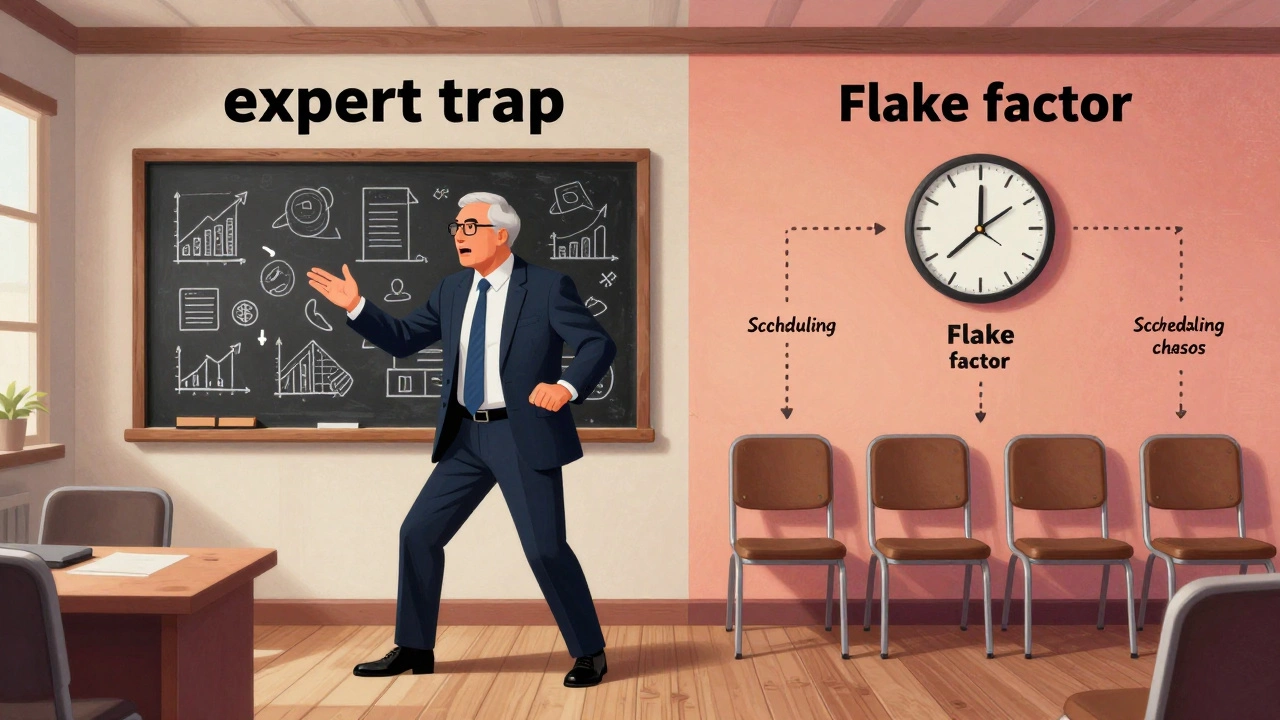
One of the biggest headaches in the non-profit world is the "flake factor." Because there is no paycheck attached, the stakes for missing a shift are low. A volunteer might wake up feeling tired, have a family emergency, or simply forget about the commitment they made three weeks ago.
This unpredictability makes long-term planning a nightmare. If you're running a Community Outreach program that requires a specific number of people to be present for safety or logistics, a last-minute no-show creates a ripple effect. The remaining staff must scramble to cover the gap, often leading to burnout among your most reliable people. You end up relying on a small core of "super-volunteers" who do 90% of the work, while the rest provide sporadic, unpredictable help. If one of those core people leaves, your entire operation could collapse overnight.
Quality Control and the 'Expert' Dilemma
Not all volunteers come in with a blank slate. Some bring years of professional experience, which is great-until they try to rewrite your entire operational manual. This is often called the "expert trap." A retired executive might join a small Non-profit Organization and decide that the way you've run things for ten years is "inefficient," attempting to implement corporate strategies that simply don't work in a grassroots setting.
On the other hand, you have volunteers with no experience who might unintentionally cause harm. In a healthcare or Elderly Care setting, a well-meaning volunteer might ignore a safety protocol or misinterpret a patient's needs. The cost of training someone to a safe and effective level can be immense. If the training takes ten hours but the volunteer only stays for two shifts, you've actually lost productivity. You are essentially running a perpetual training school where the students graduate (leave) just as they become useful.
| Feature | Paid Employees | Volunteers |
|---|---|---|
| Accountability | High (Contractual/Legal) | Low (Moral/Social) |
| Training ROI | Long-term investment | High risk of early exit |
| Consistency | Predictable schedules | Variable/Sporadic |
| Cost | Direct monetary expense | Indirect management time |
| Motivation | Salary + Mission | Purely Mission-driven |
The Emotional Toll and Boundary Blurring
Volunteers are often driven by intense passion. While that's an asset, it can also be a liability. When someone is deeply emotionally invested in a cause-like fighting homelessness or animal rescue-the line between their professional role and their personal identity blurs. This often leads to Compassion Fatigue, which is a state of emotional exhaustion resulting from chronic exposure to suffering.
Because they aren't paid, volunteers may feel they have a "moral right" to dictate how the organization is run, leading to internal politics and friction. You might find a volunteer who becomes so attached to a client that they start bypassing official protocols to "help' them, creating legal liabilities for the organization. Managing the emotional boundaries of an unpaid workforce requires a level of psychological tact that most managers aren't trained for.

The Danger of Institutional Memory Loss
In a corporate setting, knowledge is documented and passed down through a hierarchy. In volunteer-heavy organizations, knowledge often lives in the heads of a few long-term helpers. When these people move on, they take the "secret sauce" with them. This is known as institutional memory loss.
Imagine a Food Bank where one volunteer knows exactly how to fix the ancient refrigeration unit and who the reliable local donors are. If that person leaves without a formal transition period, the organization is suddenly blind. Because volunteers aren't required to write reports or document their processes, the organization remains in a constant state of rebuilding its basic knowledge base every few years.
How to Mitigate These Downsides
You can't stop using volunteers-most non-profits simply couldn't survive without them. But you can stop treating them as a "free' resource and start treating them as a specific type of workforce that requires its own unique strategy. Volunteer management works best when you lower the barrier to entry but raise the clarity of the expectations.
Start by creating highly specific "job descriptions" for volunteers. Instead of asking for "general help," ask for "someone to manage the front desk from 9 AM to 12 PM on Tuesdays." This removes ambiguity. Secondly, implement a "tiered" system. Give new volunteers low-risk tasks and only grant them more responsibility after they've proven their reliability over three to six months. This protects your core operations from the "flake factor." Finally, invest in simple documentation. Even a basic shared folder with "How-To" guides can prevent a total collapse when a key volunteer decides to retire.
Are volunteers always more expensive in the long run?
Not necessarily, but the costs are hidden. While you aren't paying a salary, you are spending "organizational capital" in the form of staff time for recruiting, training, and supervising. If the time spent managing a volunteer exceeds the value of the work they produce, then yes, they are effectively costing the organization money.
How do I handle a volunteer who thinks they know better than the staff?
Set firm boundaries during the onboarding process. Acknowledge their expertise but clearly state that for the sake of consistency and safety, the organization's established protocols must be followed. If they continue to disrupt, it is better to let them go early than to let their influence undermine your paid staff's authority.
What is the best way to prevent volunteer burnout?
Encourage "micro-volunteering"-small, time-bound tasks rather than open-ended commitments. Regularly check in on their emotional well-being, especially in high-stress environments like shelters. Remind them that it is okay to step back for a while to recharge.
Should I ever replace volunteers with paid staff?
Yes, when a role becomes "mission-critical." If the failure of a task would cause a legal disaster, a safety risk, or a total operational shutdown, that role should be paid. Reliability and accountability are things you buy; passion is what you get for free.
How can I stop the 'super-volunteer' dependency?
Implement a shadowing program. Require your most experienced volunteers to train at least one other person in their specific duties. This distributes knowledge across the group and ensures that the organization doesn't fail if one person departs.