What Are the 3 P's of Engagement in Community Outreach?
When you're trying to build real, lasting change in your community, it's not enough to just show up. You need people to care, to show up with you, and to stick around. That’s where the 3 P's of engagement come in - Purpose, Partnership, and Participation. These aren’t buzzwords. They’re the working parts of every successful community effort, from neighborhood clean-ups to youth mentorship programs. Skip one, and your initiative starts to wobble. Get all three right, and you build something that lasts.
Purpose: Why You’re Doing This
People don’t follow movements. They follow meaning. If your outreach effort feels like another flyer on a bulletin board, you’re already losing. Purpose isn’t just your mission statement. It’s the raw, human reason someone should care - right now, today.
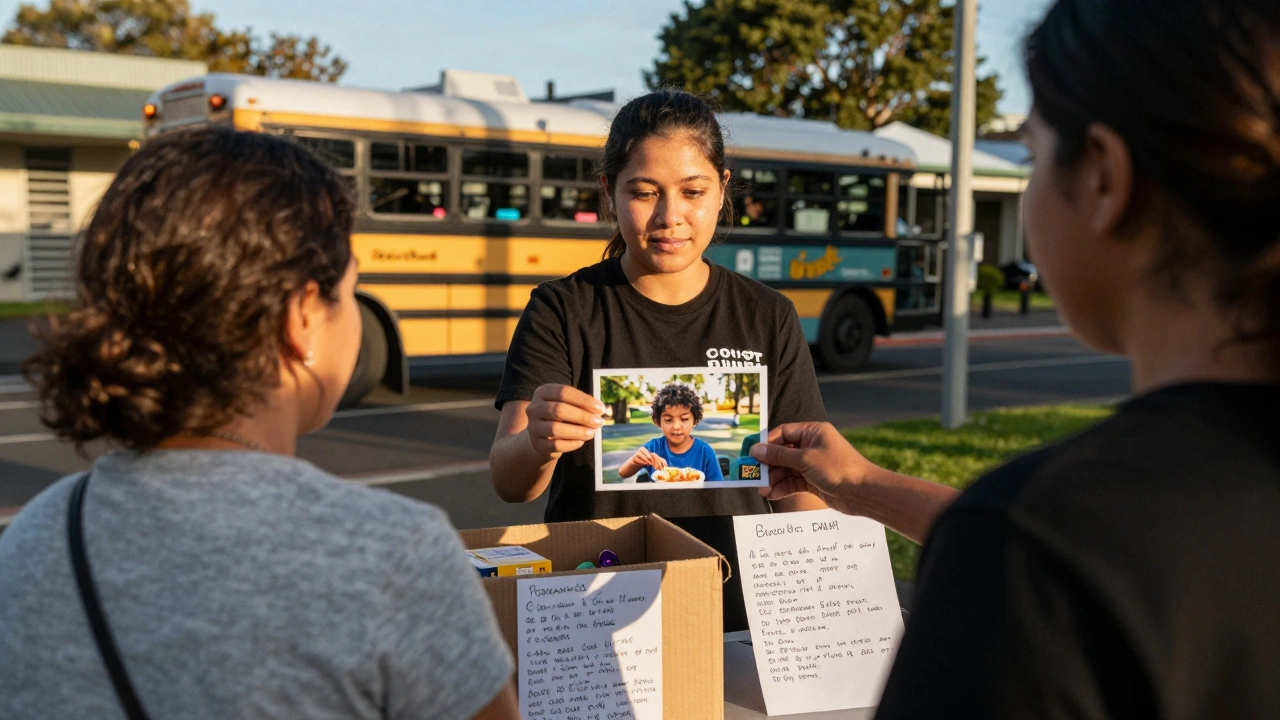
Take a food bank in South Auckland. They didn’t just say, “We feed the hungry.” They showed photos of kids from local schools who came in after class, hungry, and asked if they could come back tomorrow. They shared stories of single parents choosing between bus fare and groceries. That’s purpose. It’s specific. It’s emotional. It’s real.
Without purpose, participation feels like a chore. With it, people don’t just volunteer - they become advocates. They tell their friends. They show up even when it’s raining. They bring their kids. Purpose turns bystanders into believers.
Partnership: You Don’t Have to Do It Alone
One group, one leader, one idea - that’s a spark. But a fire? That needs fuel. That’s where partnership comes in. You can’t build trust by yourself. You need allies who bring different skills, different networks, and different credibility.
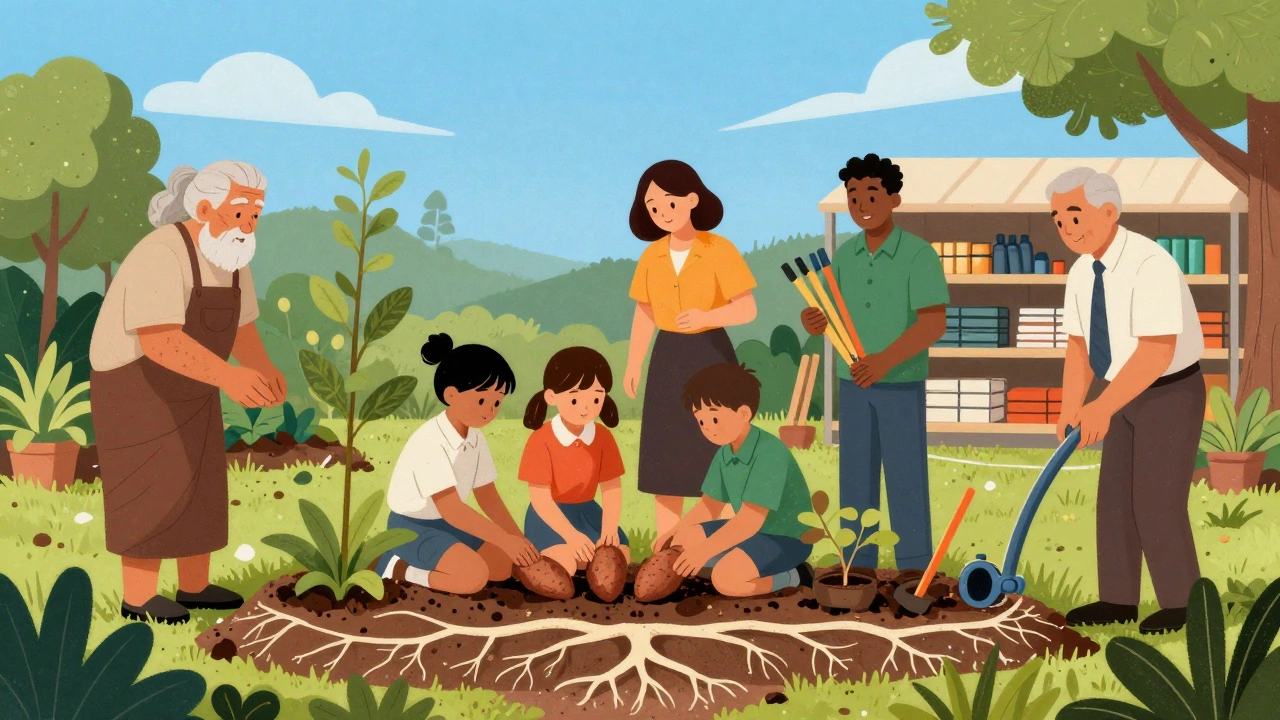
Think about a program that got kids off phones and into gardening. The local community center had the space. The school had the kids. The Māori elders had the knowledge of native plants and traditional growing methods. The hardware store donated tools. The council provided funding for irrigation. Each partner didn’t just help - they owned part of the project.
Partnerships aren’t about signing agreements. They’re about mutual respect. It’s listening to the local marae before launching a youth initiative. It’s asking the pātaka kai (food pantry) staff what they’ve seen work - not just telling them what you think they need. Real partnerships mean sharing power, not just resources.
When you build partnerships, you also build resilience. If one group fades, another steps in. If funding dries up, someone else opens a door. No single organization can do everything. But a network? That can move mountains.
Participation: Let People Lead
Here’s the truth: you can’t engage people if you’re doing all the work. Engagement isn’t about you hosting events. It’s about people owning them.
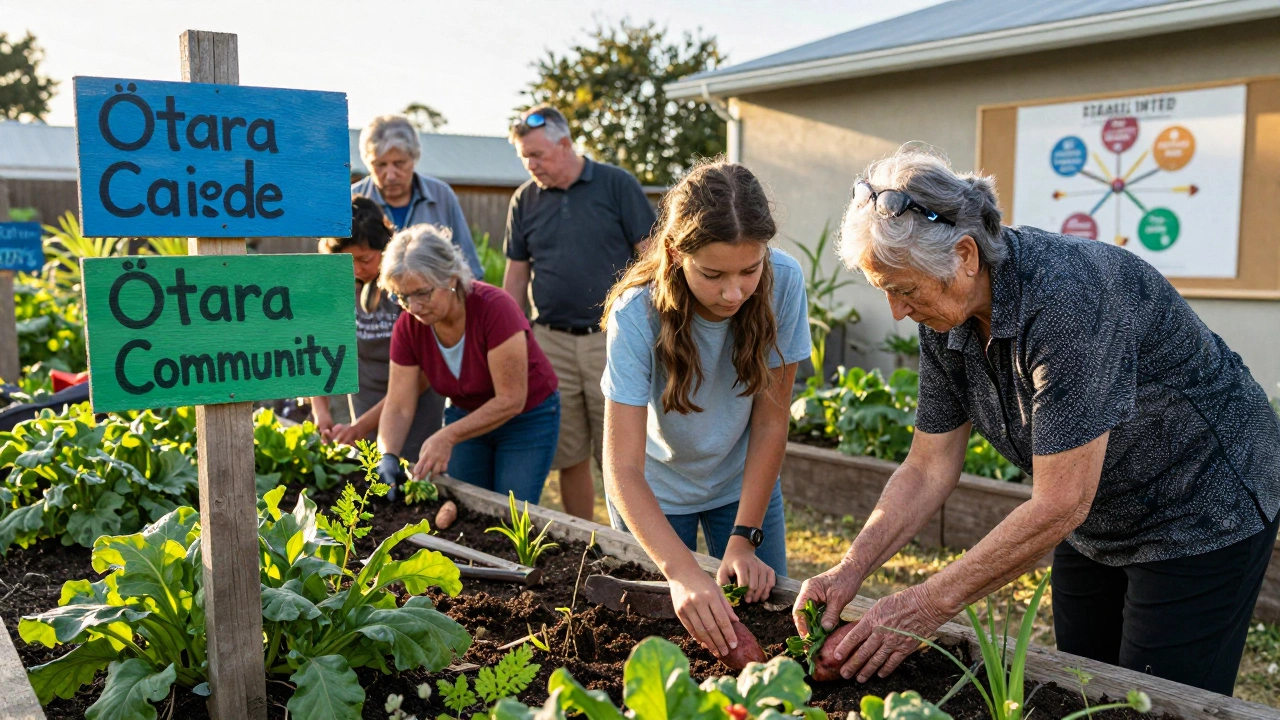
Look at the Ōtara Community Garden. At first, volunteers came in, planted rows, and left. The garden looked nice. No one used it. Then they changed tactics. They asked: “What do you want to grow? What do you need to make this yours?” A grandmother asked for a patch for her grandchildren to learn about kūmara. A group of teens wanted a space to host poetry readings. The garden shifted. Now, it’s run by a rotating committee of residents. The council still helps with compost bins. But the decisions? Those come from the people who show up every Saturday.
Participation means giving up control. It means letting someone else lead the fundraiser. It means letting a teen design the poster instead of your marketing team. It means showing up to hear what people say - even if it’s not what you expected.
When people participate, they don’t just help. They become invested. They bring their cousins. They start organizing their own events. They stop seeing the project as “yours” - and start seeing it as “ours.” That’s the moment engagement becomes community.
How the 3 P's Work Together
These three don’t work in a line. They loop. Purpose draws people in. Partnership gives them tools. Participation turns them into leaders. Then, those leaders help redefine the purpose.
Imagine a youth mentoring program. The original purpose: “Help teens avoid gangs.” But after six months, the teens said: “We don’t need more warnings. We need jobs. We need to be seen as capable.” The program shifted. They partnered with local tradespeople. They created apprenticeships. Participation became leadership - teens started training new recruits. Purpose evolved. Partnership deepened. Engagement didn’t just survive - it exploded.
That’s the power of the 3 P's. They’re not steps. They’re a cycle. You don’t finish them. You keep feeding them.
What Happens When You Miss One?
Let’s say you have a great purpose: “Reduce litter in our parks.” You hire a team. You put up signs. You run a social media campaign. But you don’t partner with anyone. No local schools. No iwi. No businesses. And you don’t ask residents to help - you just clean up after them.
What happens? The litter comes back. People feel ignored. The signs get vandalized. The campaign looks like a top-down order, not a shared effort.
Or imagine you have amazing partnerships - a church, a school, a local business all on board. You run weekly clean-ups. But you never explain why. No one knows the history of the creek, or how the plastic harms native birds. People show up, but they don’t care. They leave. Engagement fades.
Or worse - you have purpose and partnership, but you never ask people to lead. Everything is planned by outsiders. The community watches. They nod. They clap. But they don’t stay. They know this isn’t theirs. And when the funding ends, so does the effort.
Real Examples from New Zealand
In Wellington, the Waiwhetu Stream Restoration Project started because a group of high school students noticed the water smelled bad. They didn’t wait for council approval. They went to the local iwi, asked for guidance, and started a weekly clean-up. Within a year, they had 80 volunteers, a partnership with the regional council, and a new purpose: restoring the stream as a cultural and ecological treasure. Today, it’s a teaching site for schools across the region.
In Dunedin, a community center wanted to reduce isolation among elderly residents. Instead of organizing bingo nights, they asked: “What do you miss?” One man said he missed fixing things. Another said she missed being needed. They started a “Fix-It Café” - where seniors brought broken radios, toys, or lamps. Volunteers helped. But the real magic? The seniors taught the volunteers how to repair. Purpose? Connection. Partnership? Youth volunteers + local tradespeople. Participation? Elders became teachers. The program now has a waiting list.
Start Here: Your 3 P's Checklist
- Purpose: Can you explain why this matters in one sentence, in plain language? If someone hears it for the first time, will they feel it?
- Partnership: Who already has trust in this community? Who can you talk to this week - not to ask for help, but to learn?
- Participation: What’s one thing you could hand over right now? A decision? A meeting? A budget line? Who could lead it if you stepped back?
Don’t wait for perfect conditions. Start with one P. Then build the others around it. Engagement isn’t about big events. It’s about small, consistent moments where people feel seen, heard, and needed.