
What Are the Six Aspects of Outreach?
When you think about community outreach, it’s easy to picture a group of volunteers handing out flyers or setting up a food table at a local fair. But real outreach isn’t just about showing up-it’s about building trust, listening deeply, and creating lasting change. Many organizations struggle because they treat outreach like a one-time event instead of a system. The truth is, effective outreach has six clear aspects that work together. Skip even one, and your efforts won’t stick.
Know Your Community
You can’t reach people if you don’t understand them. This isn’t about demographics or zip codes. It’s about knowing who’s been left out, what they’re afraid of, and what they actually need. In Auckland, a nonprofit trying to reduce youth disengagement started by spending three months just talking to teens at libraries, skate parks, and marae. They didn’t hand out surveys. They sat down with them-over tea, after basketball games, during homework sessions. What they learned? Kids didn’t want more programs. They wanted adults who showed up consistently, not just during events. That shift changed everything. Outreach starts with presence, not promotion.
Define Clear Goals
Too many outreach efforts fail because they’re too vague. "We want to help the community" isn’t a goal. "We want 50 local families to access free meal prep workshops by June" is. Goals give you a target. They tell you when to celebrate, when to adjust, and when to stop. A food bank in South Auckland set a goal to increase healthy food distribution by 40% in six months. They didn’t just hand out canned goods. They partnered with local Māori growers to include kūmara, greens, and fish-foods people actually wanted to eat. The result? Participation jumped. Why? Because the goal was specific, measurable, and rooted in cultural context.
Build Trusted Partnerships
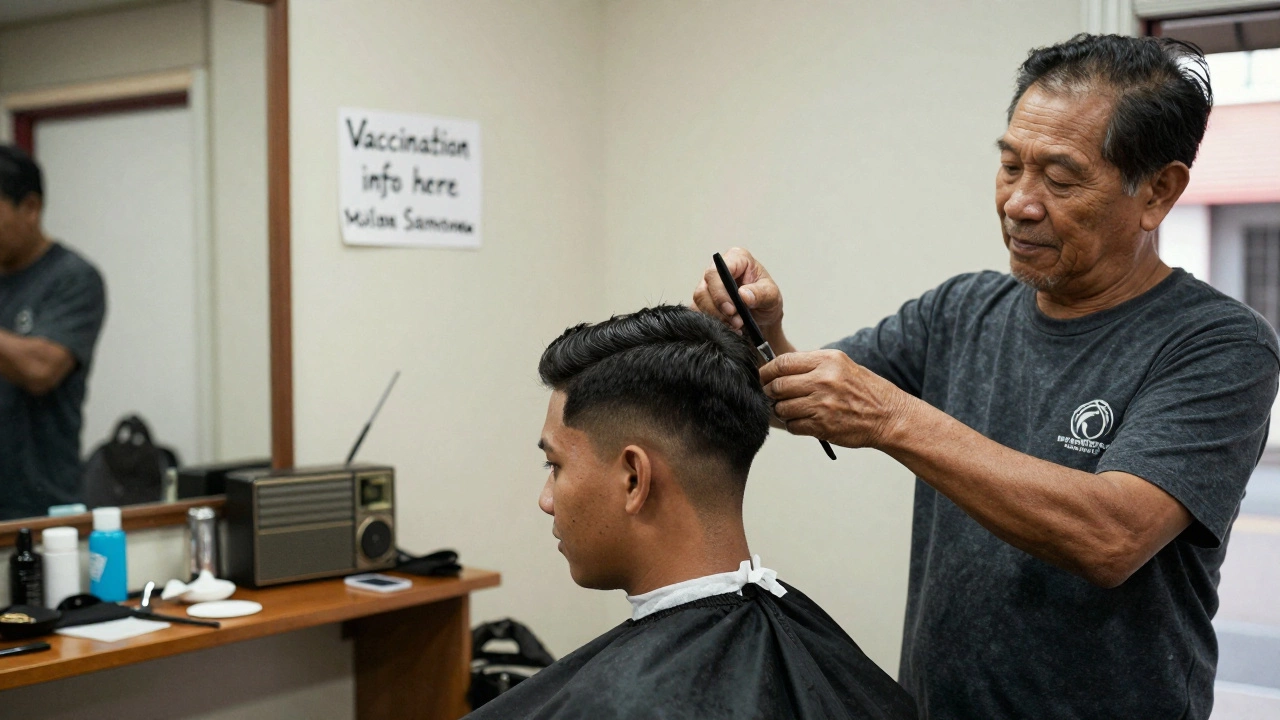
No nonprofit can do this alone. The most successful outreach connects with existing community leaders, churches, schools, iwi, and small businesses. These are the people already trusted. One health group in Tauranga wanted to increase vaccination rates in Pasifika communities. Instead of setting up clinics, they worked with local barbershops and church groups. Barbers started sharing info during haircuts. Church elders made announcements after services. Within months, vaccination numbers rose by 62%. The key? They didn’t try to replace the community’s networks. They joined them.
Use the Right Channels
Posting on Instagram won’t reach elderly Māori elders. Sending letters won’t connect with teens. Outreach channels have to match where people actually are. In rural Hawke’s Bay, a mental health group found that radio ads on local stations worked better than flyers. In Ōtara, WhatsApp groups became the main way to share updates. Even in 2026, not everyone is online. Some still rely on word of mouth, community noticeboards, or church bulletins. The best outreach teams check where their audience is-not where they think they should be.
Listen and Adapt
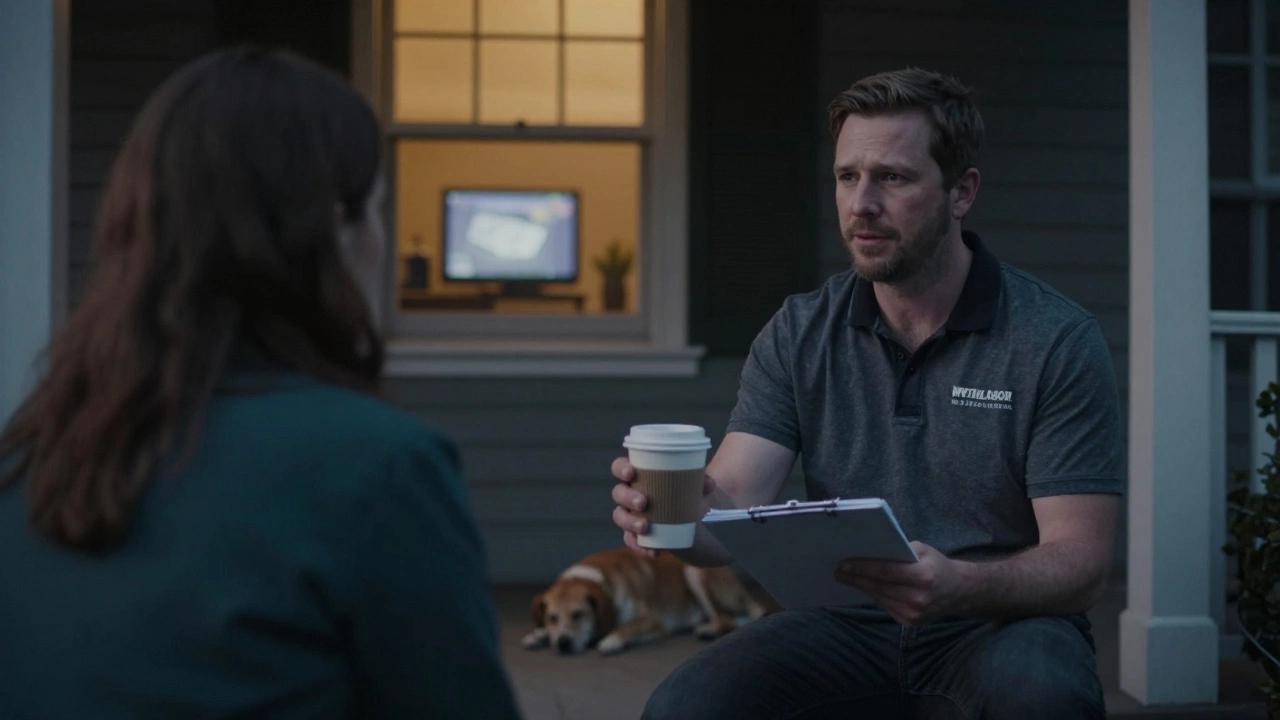
Outreach isn’t a script. It’s a conversation. If you’re not listening, you’re just talking. A housing nonprofit in Wellington launched a campaign to help renters avoid eviction. They held town halls, sent out forms, and posted signs. But no one showed up. So they changed tactics. They sent workers door-to-door with coffee and notepads-not brochures. What they heard? People were scared of being reported to landlords. They didn’t need more info. They needed confidentiality. The organization rewrote their entire approach, adding anonymous support lines and legal aid referrals. Turnaround? Within six weeks, inquiries doubled.
Measure What Matters
You can’t improve what you don’t measure. But not all numbers are equal. Counting how many flyers you handed out tells you nothing. Tracking how many people returned for a second event? That tells you something. Tracking how many people said they felt heard? That’s gold. A youth program in Dunedin started asking participants one simple question after each session: "Did you feel like you belonged here?" They tracked the answers. When scores dropped, they dug into why. Turns out, teens felt excluded when older volunteers dominated the conversation. They restructured meetings to give youth equal speaking time. Engagement soared. Metrics don’t have to be complex. They just have to be honest.
Why This Matters
Outreach isn’t charity. It’s connection. It’s about recognizing that change doesn’t come from the top down-it comes from the ground up. These six aspects aren’t steps you follow once. They’re habits you build. The organizations that make a real difference don’t have the biggest budgets. They have the most consistent presence, the deepest listening, and the humility to let the community lead.
What’s the biggest mistake in community outreach?
The biggest mistake is assuming you know what people need before you’ve listened to them. Many organizations design programs based on assumptions, not real input. This leads to low participation and wasted resources. The fix? Spend more time listening than planning. Ask open questions. Show up regularly. Let the community shape the solution.
Do I need a big budget to do effective outreach?
No. Effective outreach is about relationships, not money. Some of the most successful programs run on volunteer time and donated spaces. A church in Gisborne started a weekly meal program using donated ingredients and a kitchen space offered by a local café. They didn’t have funding, but they had trust and consistency. People showed up because they felt seen, not because they got free food.
How long does it take to see results from outreach?
Real change takes time-usually 6 to 18 months. Quick wins are rare. If you’re measuring success by event attendance alone, you’re missing the point. Look for signs of trust: people returning, asking for help, bringing friends, or stepping up to lead. Those are the real indicators that your outreach is working.
Should I focus on one community or try to reach many?
Start with one. Trying to serve too many groups at once spreads your energy too thin. Pick a neighborhood, a school, or a cultural group. Go deep there first. Build trust. Prove your approach works. Then, use that experience to expand. Quality beats quantity every time.
What if people are skeptical or hostile?
Skepticism is normal. Many communities have been let down by outsiders before. The answer isn’t to argue or convince. It’s to show up, again and again, without asking for anything in return. Bring coffee. Help clean up. Stay quiet. Let people see you’re not there to fix them-you’re there to walk beside them. Trust builds slowly, but it lasts.