What Does a Community Outreach Leader Do? Roles, Responsibilities, and Real-World Impact
Ever wonder who’s behind the scenes making sure a food bank reaches every family in need, or how a youth program gets kids signed up when no one’s talking about it? That’s the job of a community outreach leader. It’s not a title you hear on TV, but it’s one of the most vital roles in any nonprofit or public service group. This person doesn’t just hand out flyers-they build trust, break down barriers, and turn indifference into action.
They’re the Bridge Between Organizations and People
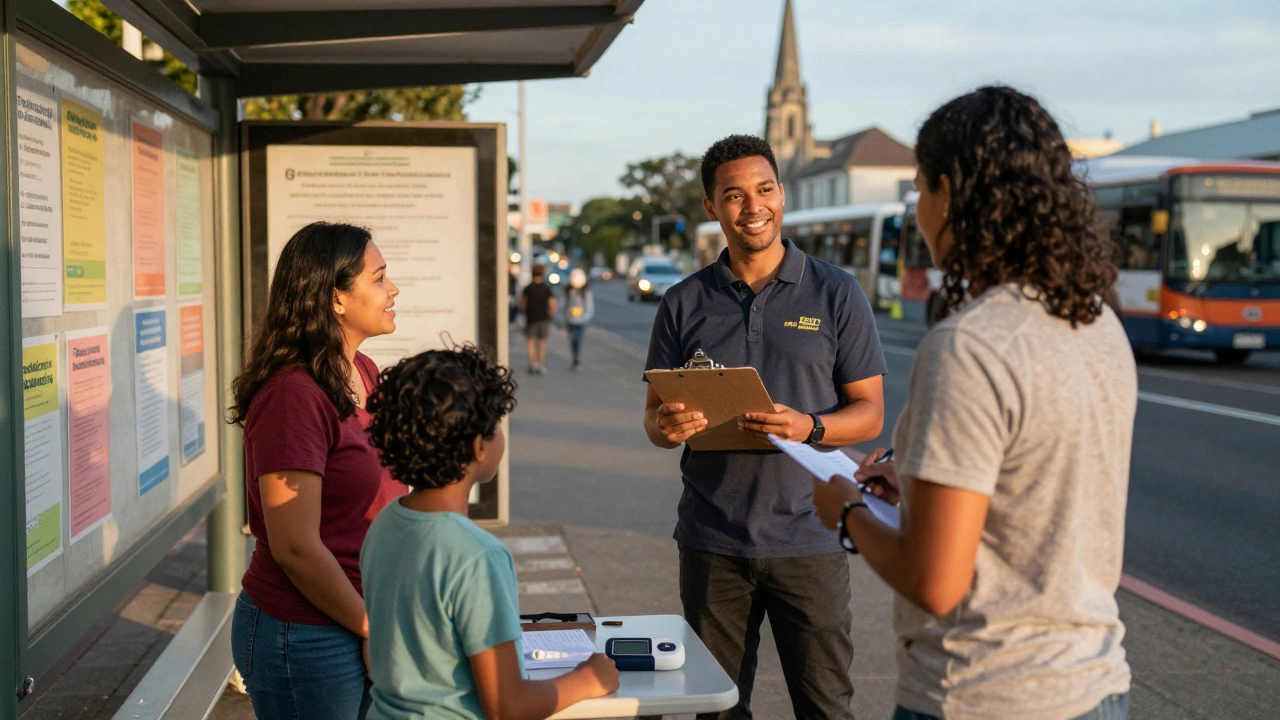
A community outreach leader doesn’t work in an office with a view. They’re at bus stops, school gates, church basements, and community centers. Their job is to connect organizations-like health clinics, housing programs, or education nonprofits-with the people who need them most. Many of these people don’t know where to turn. Others feel too scared, ashamed, or confused to ask. The outreach leader changes that.
Take a recent example in South Auckland. A local health group wanted to offer free diabetes screenings, but attendance was low. The outreach leader didn’t just post flyers. She spent three weeks visiting Pasifika churches, talking to elders, translating materials into Samoan and Tongan, and even showing up at Saturday football games with a portable blood sugar tester. Within a month, screenings jumped from 12 to 187 people. That’s not luck. That’s outreach.
Day-to-Day Work: It’s Not What You Think
Most people picture outreach as handing out brochures. The reality? It’s a mix of listening, problem-solving, and constant adaptation.
- **Listening first**: Before promoting any service, they spend time asking: What are people worried about? What’s stopping them from using help? Is it language? Transportation? Fear of judgment?
- **Building relationships**: They don’t just show up once. They return. They remember names. They follow up. A single mother who missed a parenting class because her bus broke down? The outreach leader arranges a ride next time.
- **Finding the right channels**: Not everyone uses Facebook. Some trust radio. Others rely on word-of-mouth from their local hairdresser or church group. The leader figures out where the message needs to go-and who can deliver it.
- **Removing roadblocks**: Maybe the application form is too long. Maybe the office hours don’t match shift work. Maybe people don’t trust government workers. The outreach leader pushes for changes: shorter forms, evening appointments, or training volunteers to be the first point of contact.
It’s not about pushing a program. It’s about making sure the program actually works for the people it’s meant to serve.
They Speak Multiple Languages-Even When They Don’t Know the Words
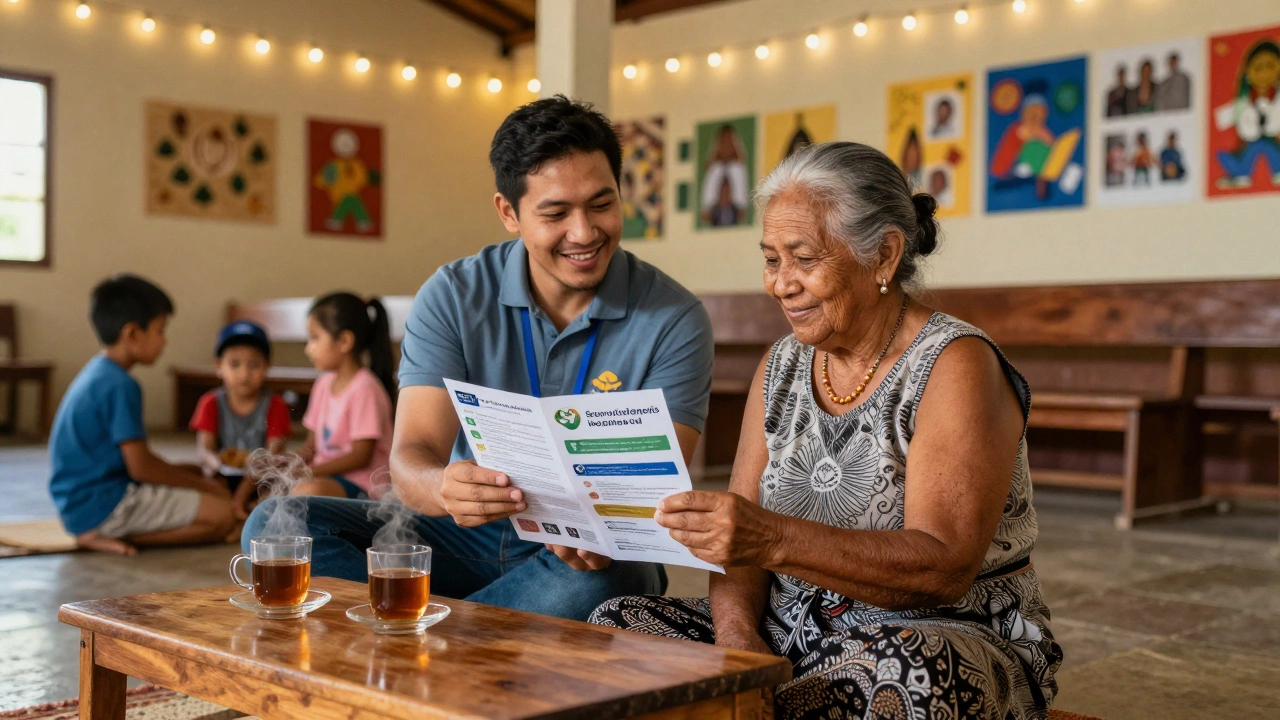
Language isn’t just about speaking Spanish, Mandarin, or Te Reo Māori. It’s about understanding culture, tone, and unspoken rules.
In a community where people have been let down by systems before, trust doesn’t come from a glossy brochure. It comes from consistency. From showing up week after week, even when no one shows up. From admitting when you don’t have an answer-and finding someone who does.
A good outreach leader doesn’t need to be an expert in every service. They need to know who is. They build networks: a social worker here, a school counselor there, a local elder who’s respected by everyone. They’re the glue.
What Skills Do They Actually Need?
You don’t need a degree in social work to be good at this-but you do need real skills.
- **Empathy without pity**: You don’t fix people’s lives. You help them find their own way.
- **Patience that lasts years**: Change doesn’t happen in a month. Sometimes it takes six months just to get someone to show up to a meeting.
- **Problem-solving on the fly**: A family needs food, but the food bank is closed. Can you find another? Can you call a neighbor? Can you get a donation delivered?
- **Cultural humility**: You don’t assume you know what’s best. You ask. You listen. You adapt.
- **Resilience**: You’ll hear ‘no’ a lot. You’ll face skepticism, indifference, even hostility. The best ones keep going because they’ve seen what happens when no one shows up.
Many outreach leaders start as volunteers. Others come from social services, education, or even retail. What they all have in common? They’ve been on the other side. They’ve needed help. Or they’ve watched someone they love struggle-and no one came.
How They Measure Success
Unlike sales or marketing, you can’t count clicks or likes. Success here is quieter.
- More people showing up to services
- People asking for help before it’s a crisis
- Community members stepping up to lead their own initiatives
- Feedback like: “I didn’t know I could ask for help until you came by”
One outreach leader in Wellington tracked how many families stopped coming to the food bank because they’d found stable jobs. That wasn’t a failure-it was a win. The program worked. People moved on.
True success isn’t about growing numbers. It’s about creating systems where people don’t need outreach anymore because they’ve got their own support.
Common Misconceptions
People think outreach leaders are just “promoters.” They’re not. They’re advocates, translators, investigators, and sometimes, the only person someone talks to all week.
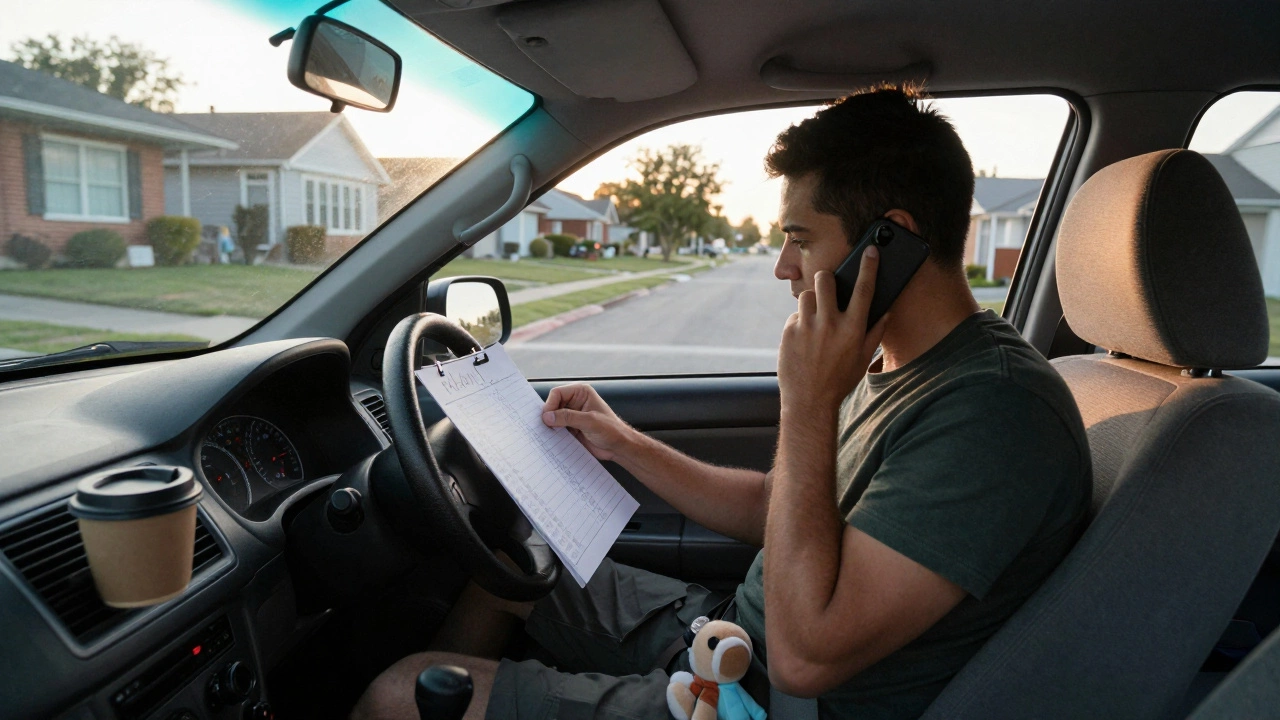
Another myth? That they work for big charities. Many work for tiny local groups with $20,000 budgets and one part-time assistant. They fundraise by baking cakes, drive their own cars to remote villages, and use their own phone credit to make follow-up calls.
And no, they’re not paid much. In New Zealand, the average salary for a community outreach role is between $50,000 and $65,000 a year-often with no sick leave or holiday pay unless they’re lucky. They do it because they believe in the work.
What Happens When There’s No Outreach Leader?
Look at what happens when these roles are cut.
Food banks see drops in attendance-not because people don’t need help, but because no one told them where to go. Mental health services get underused because people don’t know they’re free. Kids fall through the cracks in schools because no one connected the family to support.
Without outreach, services become invisible. And the people who need them most? They stay hidden.
How to Become One
You don’t need a fancy title to start. Begin where you are.
- Volunteer with a local group. Show up. Listen.
- Ask questions: “What’s the biggest barrier people face here?”
- Offer to help with translation, transportation, or event setup.
- Take free online courses from NGOs like Community Law or the New Zealand Community Sector Council.
- Reach out to current outreach leaders. Most will gladly talk to you.
There’s no certification. No exam. Just one question: Are you willing to show up-even when it’s hard?
Why This Work Matters More Than Ever
In 2025, with rising housing costs, mental health struggles, and isolation in urban centers, community outreach isn’t optional. It’s essential.
Technology hasn’t replaced human connection. It’s made it harder. People scroll past ads for help. They don’t trust emails. They need someone to look them in the eye and say, “I’m here for you.”
That’s what a community outreach leader does. Not with a grand speech. Not with a big budget. But with presence. With persistence. With quiet, daily courage.