
What Does a Person in Outreach Do? Roles, Duties, and Impact
Outreach Career Match Finder
Not sure which type of outreach worker you are? Answer these quick questions to find your ideal field.
You’ve probably seen them. Maybe it’s the person knocking on your door with a clipboard, the one handing out flyers at the local market, or the familiar face at the youth center trying to get teenagers to talk about their day. We call these people outreach workers. But what do they actually do all day? It’s not just handing out pamphlets. It’s complex, messy, human work that bridges the gap between essential services and the people who need them most.
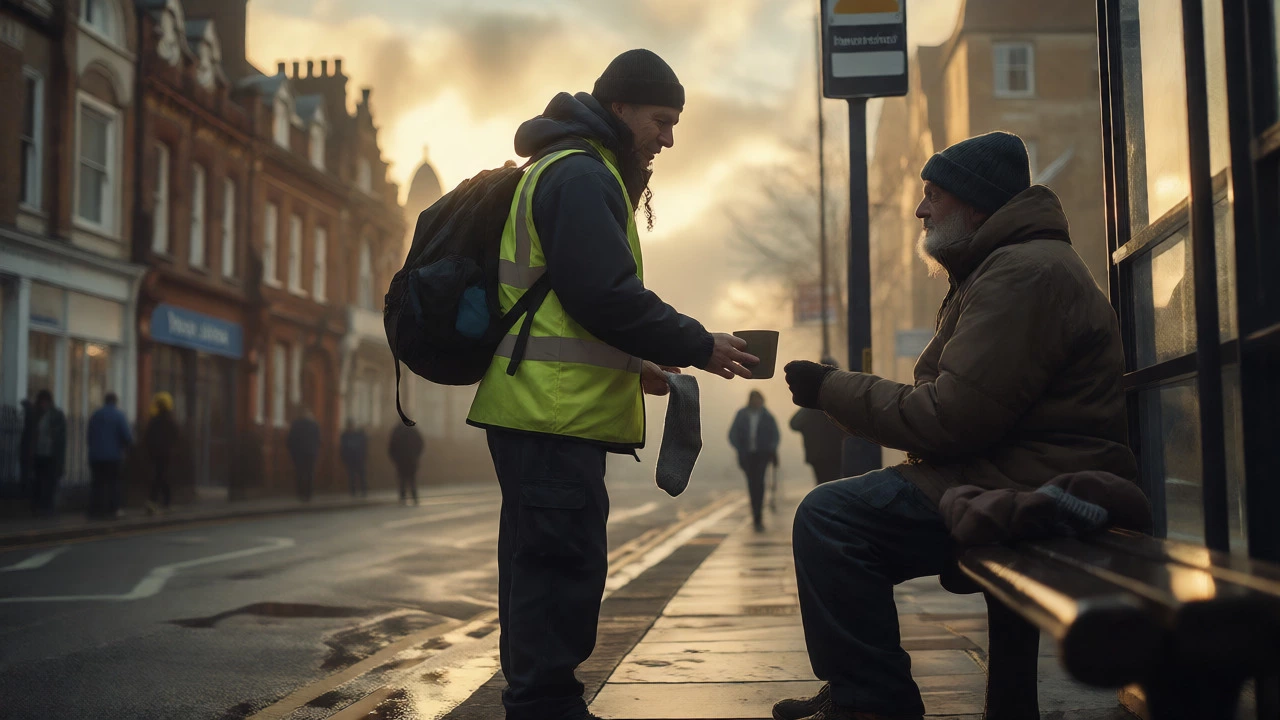
An Outreach Worker is a professional who connects individuals and communities with social services, healthcare, or educational resources. Unlike traditional service providers who wait for clients to come to an office, outreach workers go into the field-into homes, streets, schools, and community centers-to meet people where they are. Their primary goal is engagement and trust-building, often working with marginalized or hard-to-reach populations.
The Core Mission: Bridging the Gap
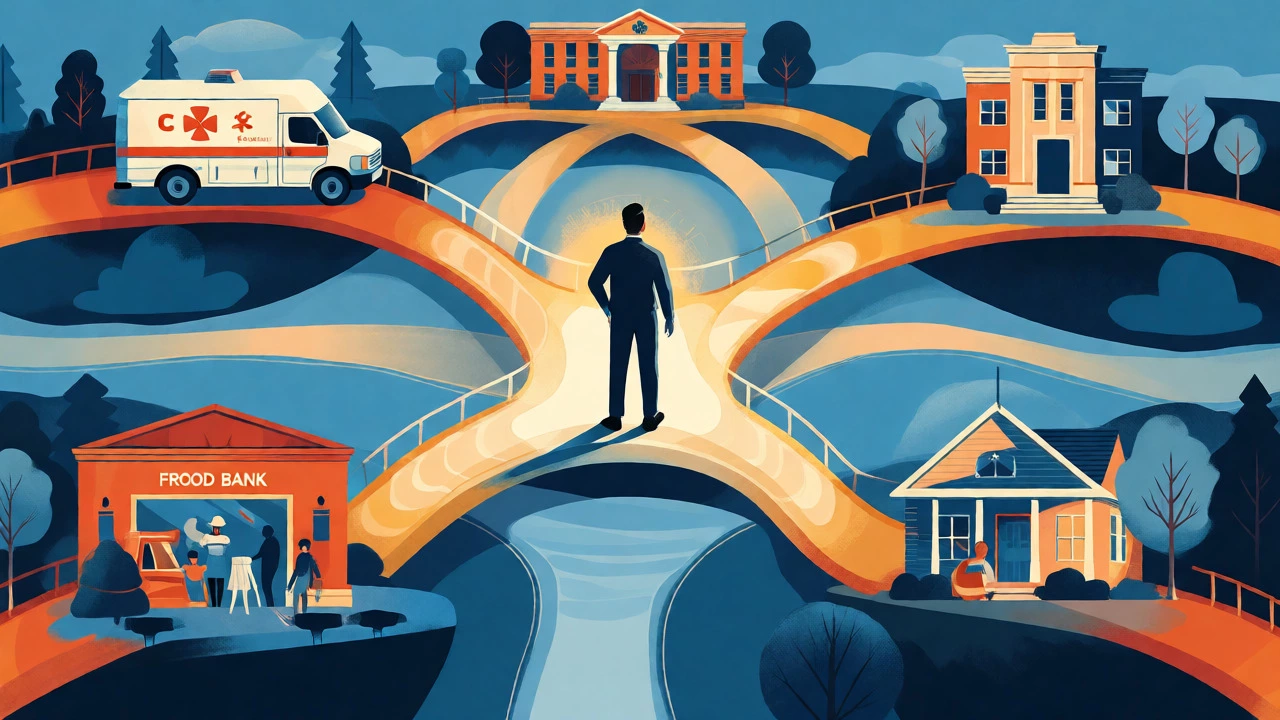
Think of the social safety net as a giant web. Sometimes, holes open up. People fall through because they don’t know help exists, they’re afraid of stigma, or the system is too bureaucratic to navigate. That’s where the outreach worker steps in. They aren’t necessarily the ones providing the therapy or the housing directly (though sometimes they are). Instead, they are the connectors. They identify needs, build relationships, and guide people toward the right doors. This role varies wildly depending on the sector. A public health outreach worker might be focused on vaccination uptake during a flu season. A homeless outreach worker might be focused on getting someone off the street and into a shelter bed. Despite the differences, the core skill set remains the same: empathy, persistence, and deep knowledge of local resources.
Daily Responsibilities: More Than Just Talking
If you shadow an outreach worker for a day, you’ll see a mix of proactive hunting and reactive problem-solving. Here is what that actually looks like:
- Field Engagement: This is the visible part. Walking beat patrols in high-traffic areas, visiting drop-in centers, or going door-to-door. The goal is to initiate contact without being intrusive.
- Needs Assessment: Once a connection is made, the worker assesses immediate risks. Is this person safe? Do they have food? Are they experiencing a mental health crisis? This isn’t always a formal questionnaire; often, it’s reading body language and listening carefully.
- Resource Navigation: Knowing which agency handles emergency housing versus long-term support, or which clinic offers free dental care. Outreach workers act as translators, decoding jargon-heavy government forms for clients.
- Documentation and Reporting: The unglamorous but vital part. Every interaction must be logged for funding purposes and continuity of care. If you don’t write it down, it didn’t happen.
- Crisis Intervention: De-escalating conflicts, providing first aid, or calling emergency services when a situation becomes dangerous.
Who Do They Work With?
Outreach is rarely done in isolation. It’s a team sport involving various entities within the community ecosystem. Understanding these relationships helps clarify the scope of the job.
| Stakeholder Group | Role in Outreach | Common Interactions |
|---|---|---|
| Local Government Agencies | Funding and Policy | Reporting metrics, adhering to compliance standards |
| Non-Profit Organizations | Service Delivery | Referrals, joint events, resource sharing |
| Healthcare Providers | Clinical Support | Patient handovers, mobile clinics, mental health triage |
| Community Leaders | Trust Building | Endorsements, cultural mediation, venue access |
Notice how the outreach worker sits at the intersection of these groups. They translate the rigid requirements of Local Government Agencies into actionable steps for the client, while leveraging the flexibility of Non-Profit Organizations to fill gaps.

Sector-Specific Variations
The title "Outreach Worker" is broad. Let’s break down how the daily reality shifts based on the specific domain.
Homeless Services
In this context, outreach is often low-threshold. You can’t force someone into a shelter if they aren’t ready. Workers might spend weeks building rapport with a single individual sleeping rough before offering a referral. Trust is the currency here. In Auckland, for example, teams might operate from mobile vans, providing hot drinks and socks as icebreakers before discussing housing options.
Youth and Education
Youth outreach happens in schools, skate parks, and online spaces. The goal is often prevention-stopping disengagement before it leads to truancy or behavioral issues. These workers need to speak the language of Gen Z, understanding digital culture as much as family dynamics. They might run after-school programs or mentorship schemes rather than doing one-on-one casework.
Public Health
Post-pandemic, public health outreach has exploded. Workers promote vaccinations, sexual health testing, or smoking cessation. The challenge here is combating misinformation. An outreach worker in this field needs strong communication skills to counter myths with evidence-based facts, often working in multicultural communities where language barriers exist.
Essential Skills and Traits
Can anyone do this job? Technically, yes, but burnout rates are high if you lack certain traits. Empathy alone isn’t enough; you need resilience.
- Cultural Competency: Understanding diverse backgrounds is non-negotiable. What works in one neighborhood might fail in another due to different cultural norms around authority and help-seeking.
- Emotional Resilience: You will hear traumatic stories. You will face rejection. You need boundaries to keep working effectively without carrying every story home.
- Adaptability: Plans change instantly. A scheduled meeting might turn into a crisis intervention. You need to pivot quickly.
- Networking Ability: Your value is often defined by who you know. Having a direct number for a housing officer or a sympathetic doctor makes you invaluable.
Challenges and Realities
It’s not all heartwarming success stories. Outreach work is physically and emotionally taxing. Funding is often short-term, leading to job insecurity. Workers frequently deal with aggressive behavior or severe mental illness without adequate clinical backup. There’s also the frustration of systemic barriers-knowing exactly what a client needs but being unable to provide it due to eligibility rules or waiting lists.
However, the impact is tangible. When a young person stays in school because someone checked in on them, or when a veteran gets stable housing after years of wandering, the ripple effect stabilizes entire families and neighborhoods.
How to Get Into Outreach Work
If you’re considering this career path, start by volunteering. Experience in Food Banks or Youth Organizations provides practical exposure to client interactions. Many employers look for qualifications in social work, community development, or psychology, but lived experience is increasingly valued. Look for roles that offer supervision and training, as good support structures are critical for longevity in this field.
Is an outreach worker the same as a social worker?
Not exactly. While there is overlap, social workers typically have specialized degrees and statutory responsibilities (like child protection assessments). Outreach workers focus more on engagement, education, and connecting people to services. However, many outreach workers hold social work qualifications, and some senior outreach roles require them.
Do outreach workers only work outdoors?
No. While fieldwork is a key component, outreach workers spend significant time indoors. This includes administrative tasks, phone calls, meetings with partner agencies, and conducting interviews in offices or community halls. The balance depends on the specific program model.
What are the biggest challenges facing outreach workers today?
The primary challenges include chronic underfunding, high caseloads, and the increasing complexity of client needs (such as co-occurring mental health and substance use disorders). Additionally, navigating post-pandemic social isolation requires new strategies for engagement.
How does technology impact modern outreach?
Technology has expanded the reach of outreach. Workers now use social media platforms, texting apps, and video calls to maintain contact with clients. Data tracking software helps measure outcomes, proving the effectiveness of interventions to funders. However, digital literacy gaps among clients remain a barrier.
Can I volunteer as an outreach worker?
Yes, many organizations rely on volunteers for initial contact and basic support tasks. Volunteering at shelters, food banks, or community festivals is a great way to gain experience. It allows you to test your aptitude for the role before committing to a paid position.