What Does an Outreach Plan Include? A Practical Breakdown for Community Groups
Running a successful community outreach effort isn’t about handing out flyers or showing up at a local fair once a year. It’s about building real relationships, understanding needs, and following through - consistently. If you’re asking what an outreach plan includes, you’re already on the right track. Most groups start with good intentions but skip the planning, and that’s where things fall apart. A solid outreach plan turns good intentions into measurable results.
Clear Goals and Targets
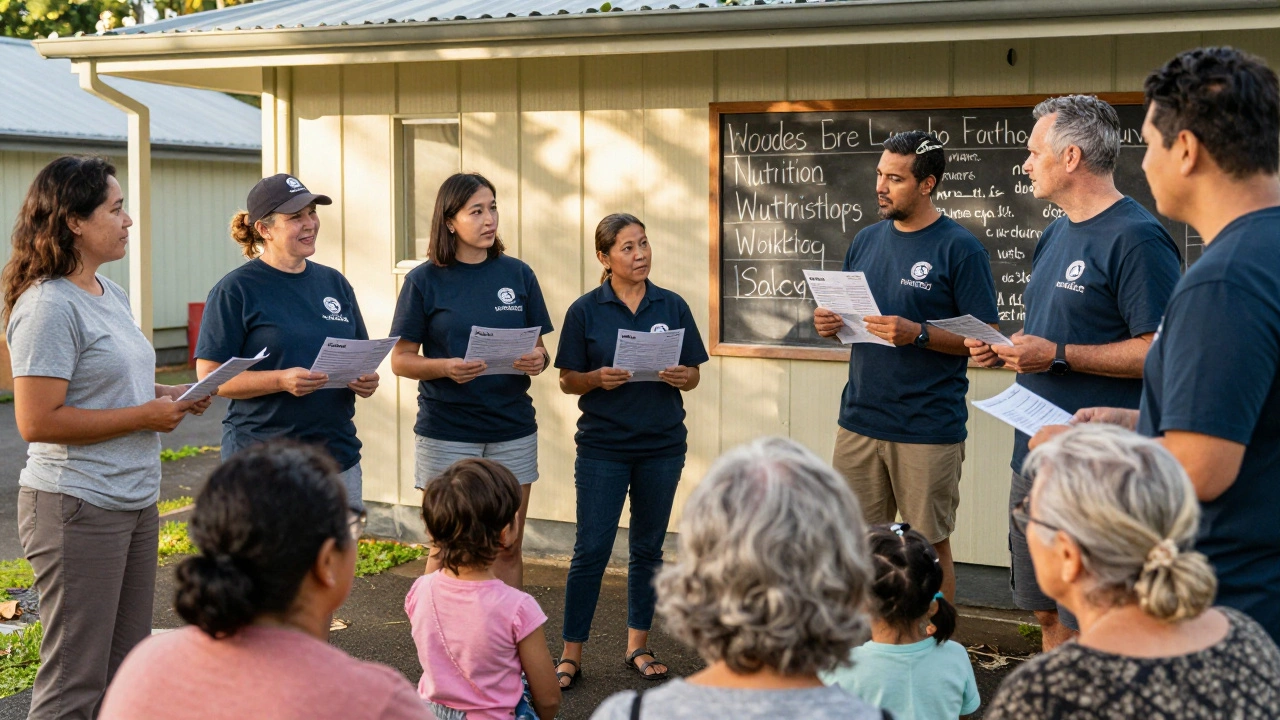
Every outreach plan begins with a simple question: What do you actually want to achieve? Vague goals like ‘raise awareness’ or ‘help more people’ don’t cut it. You need specifics. For example: ‘Reach 200 low-income families in South Auckland with free nutrition workshops by June 2026.’ That’s measurable. It tells you who, where, and by when.
Target groups matter just as much as the goal. Are you working with teens? Seniors? New immigrants? Each group needs a different approach. A flyer in a community center won’t reach a teen who spends hours on TikTok. A door-knock campaign won’t work if your audience speaks only Samoan or Mandarin. Know your people. Talk to them first - even if it’s just five conversations. That’s more valuable than ten focus groups.
Understanding Your Community
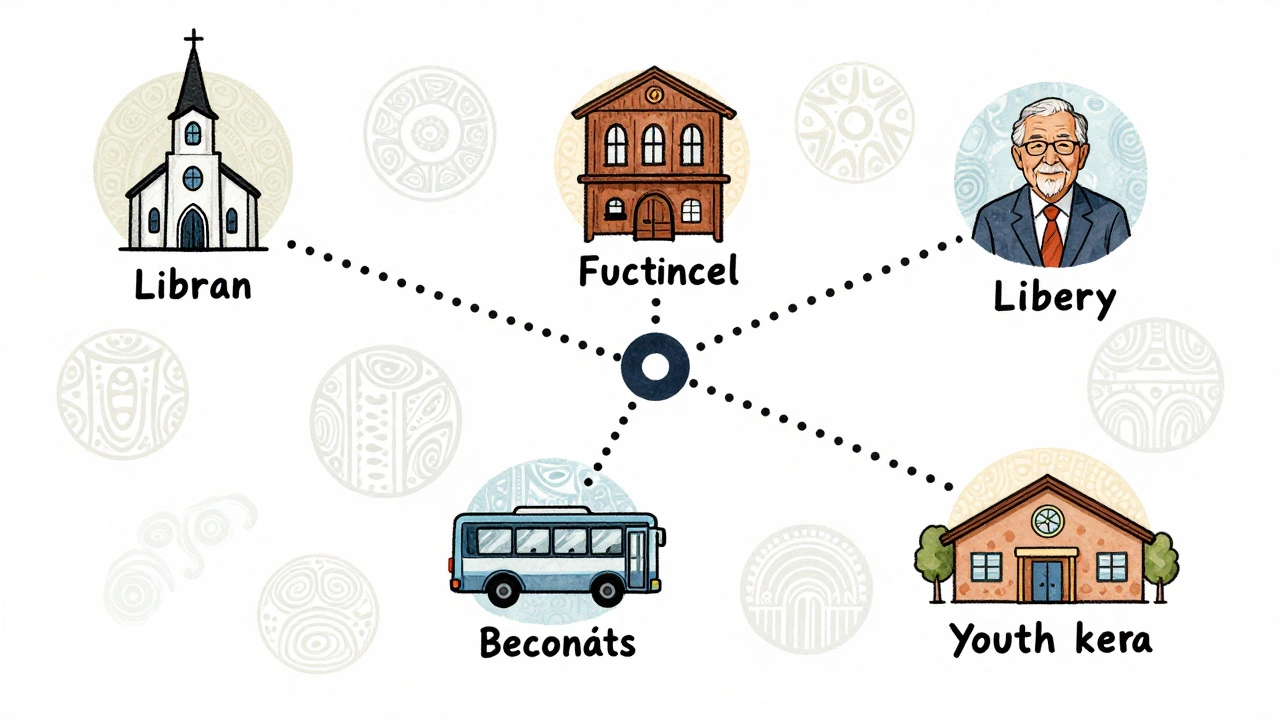
You can’t plan outreach from a spreadsheet. You need to know what’s already happening in the neighborhood. Are there other groups offering similar services? Who do people trust? Is there a local church, marae, or cultural center that already has strong ties? These aren’t just places - they’re gatekeepers. If you bypass them, you’ll be seen as an outsider.
Take time to map out the local ecosystem. List the key organizations, leaders, and influencers. Talk to the librarian who sees every family in town. Ask the bus driver who knows who’s struggling to get to appointments. These are the people who’ll tell you what’s really going on. Their input isn’t optional - it’s your foundation.
Resources and Capacity
How many people can you actually deploy? What’s your budget? Do you have a van to transport food? A printer for flyers? A volunteer who speaks Tongan? Many outreach efforts fail because they overpromise. You don’t need a big team - you need a realistic one.
Here’s a simple rule: If you can’t do it twice a month, don’t promise it once a week. It’s better to host one reliable weekly clinic than six half-hearted events that burn out your volunteers. Track what you have: volunteers, time, money, materials. Then match it to your goals. If you only have two volunteers on weekends, plan for weekend events. Don’t schedule a Tuesday night workshop unless you’ve got the hands to make it happen.
Channels and Methods
How you reach people depends on who they are. Older adults might respond to posters at the pharmacy. Young parents might check a Facebook group. Teens? They’re on Instagram or WhatsApp. One-size-fits-all doesn’t work.
Use a mix - but don’t spread yourself too thin. Pick two or three channels that match your audience. For example:
- Local radio ads in te reo Māori for older Māori families
- Posters at school gates and community bulletin boards
- Text message reminders sent through a local church network
Don’t forget word-of-mouth. In many communities, a recommendation from a neighbor means more than any ad. Train your volunteers to ask people: ‘Who else should we talk to?’ Then follow up. That’s how networks grow.
Message and Materials
Your message needs to be clear, simple, and free of jargon. No ‘stakeholder engagement’ or ‘intervention strategies.’ Say: ‘We’re giving away free lunch every Thursday for kids under 12. No paperwork. Just show up.’
Materials should match your audience. If you’re working with people who have low literacy, use pictures. If you’re reaching non-English speakers, translate everything - not just the words, but the tone. A translated flyer that sounds like a government form won’t connect. Ask a native speaker to rewrite it like they’re talking to a friend.
Include contact info clearly. Not just a website. A phone number someone can call. A person’s name. A time they’re available. If your only contact is a PO box or a website form, you’re making it hard for people to reach you.
Timeline and Schedule
Outreach isn’t a one-off. It’s a rhythm. Map out your first three months. What happens in week one? Week two? Who’s responsible? What’s the next step after someone signs up?
Use a simple calendar. Mark:
- Launch date
- Key events (workshops, drop-in days)
- Follow-up dates (check-ins, surveys, feedback sessions)
- Deadlines (printing, volunteer training, grant reports)
Leave room for flexibility. Things change. A storm cancels an event. A key volunteer gets sick. That’s normal. But if you don’t have a plan, you’ll panic. A good plan includes backup options - like switching from a park event to a community hall if the weather turns.
Feedback and Adaptation
The biggest mistake? Not listening after you start. You can’t assume your plan works just because you did what you planned. You need to ask: Did it help? What was hard? What should we change?
Keep it simple. At every event, ask one question: ‘What would make this better for you?’ Write it down. No names. Just notes. After three events, look for patterns. If three people say they didn’t know about it until it was too late, you need better timing or better channels. If no one shows up on Tuesdays, stop scheduling on Tuesdays.
Adaptation isn’t failure. It’s improvement. The best outreach plans change every month based on real feedback. That’s how you stop guessing and start knowing.

Measuring Success
You need to know if you’re making a difference. Not just how many people showed up - but what changed.
Track numbers: How many families received meals? How many kids signed up for tutoring? How many people called for help? But also track stories. One mother said, ‘I didn’t know I could get free diapers until you came to our block.’ That’s a win. Write those down. They matter more than statistics.
Use a simple scorecard:
- Reach: How many people did we connect with?
- Engagement: How many came back?
- Impact: Did their situation improve?
Don’t wait for a fancy report. Just keep a notebook. Update it weekly. You’ll see patterns long before any board member asks.
Partnerships and Collaboration
No group can do everything alone. The most effective outreach plans team up. A food bank might partner with a health clinic. A youth group might work with a local artist to run a mural project that also teaches job skills.
Look for partners who share your goal but bring something you don’t have - space, staff, funding, credibility. Don’t just ask for money. Ask for access. Can they let you use their bulletin board? Can they introduce you to their network? That’s often more valuable than a donation.
Write down what each partner brings. Be clear about roles. If you’re handling the flyers and they’re handling the volunteers, say it out loud. Avoid confusion before it starts.
Common Pitfalls to Avoid
Here’s what usually goes wrong:
- Planning in a vacuum - not talking to the community first
- Trying to do too much - spreading volunteers too thin
- Using the wrong language - formal, technical, or translated poorly
- Forgetting follow-up - no one knows what happens after the event
- Not tracking anything - you can’t improve what you don’t measure
One group in Otara spent $8,000 on a big event and got 22 attendees. Why? They didn’t ask anyone what time worked. They picked a Sunday afternoon - when everyone was at church or family gatherings. They learned the hard way. Don’t make that mistake.
Outreach Plan Checklist
Before you launch, run through this:
- Is your goal specific, measurable, and time-bound?
- Do you know exactly who you’re trying to reach?
- Have you talked to at least five people in that group?
- Do you know what other groups are doing nearby?
- Do you have enough people and resources to do this twice a month?
- Are your messages clear and in the right language?
- Do you have at least two ways to reach your audience?
- Have you scheduled your first three events and follow-ups?
- Do you have a way to collect feedback after each event?
- Have you identified one or two potential partners?
If you can answer yes to all of these, you’re ready. Not perfect. Ready.
What’s the most important part of an outreach plan?
The most important part is knowing who you’re trying to reach and listening to them. No amount of fancy flyers or big events will work if you don’t understand the real needs, language, and habits of your community. Start with conversations, not campaigns.
Do I need a budget for an outreach plan?
Not necessarily. Many of the most successful outreach efforts cost little or nothing. What you need is time, people, and clear communication. Flyers can be printed on recycled paper. Events can be held in libraries or community halls for free. The real cost is your attention - making sure you’re consistent and responsive.
How long should an outreach plan last?
There’s no fixed timeline. A short-term plan might run for three months to support a holiday food drive. A long-term plan could span a year or more, like a weekly after-school tutoring program. The key is to start small, test what works, and then build from there. Don’t plan for five years - plan for the next three months, then adjust.
Can I use social media for community outreach?
Yes - but only if your audience is there. Many older adults, low-income families, or recent immigrants don’t use Facebook or Instagram regularly. Don’t assume social media is the answer. Use it as one tool, not the whole plan. Always pair it with in-person or phone-based outreach for those who aren’t online.
What if no one shows up to my events?
Don’t assume your message is bad. Ask why. Did you announce it in the right places? Was the time wrong? Was it too far away? Talk to people who didn’t come. Maybe they didn’t trust the source. Maybe they needed childcare. Maybe they were working. Adjust based on real feedback - not guesswork.
How do I get volunteers for outreach?
Start with people who already care - parents, teachers, local business owners, retired workers. Ask them to bring a friend. Offer clear roles: ‘Can you help hand out flyers on Friday?’ or ‘Could you answer calls on Tuesday afternoons?’ People are more likely to help if they know exactly what’s expected.