What Kind of Tasks Can You Create in Community Outreach?
When you think about community outreach, you might picture a team handing out flyers or setting up a food drive. But real outreach isn’t just about showing up-it’s about creating meaningful, repeatable tasks that build trust, solve problems, and keep people engaged. The best outreach programs don’t rely on one-off events. They have structure. They have rhythm. And they have clear tasks that volunteers and staff can count on.
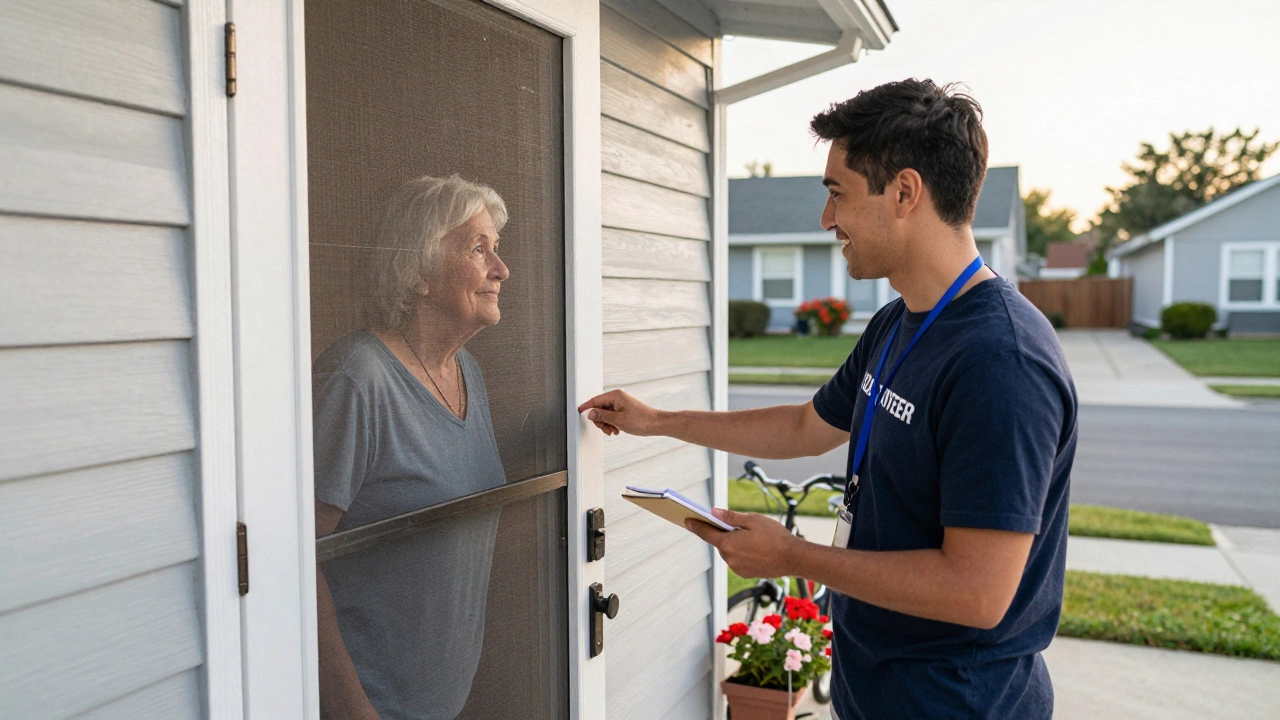
Door-to-Door Conversations
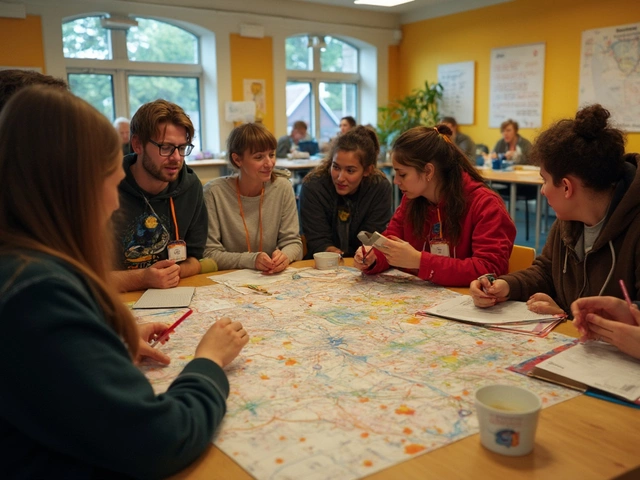
Not every community has a Facebook group or a neighborhood app. In many areas, especially among older adults or recent immigrants, face-to-face contact is still the most trusted way to share information. Door-to-door outreach isn’t about selling anything. It’s about listening. A simple task here could be: visit 10 homes per week and ask three questions: What’s one thing you wish your neighborhood had? What’s stopping you from using local services? Who do you trust to help you with this? Record answers in a simple form. Don’t push for sign-ups. Just collect insights. Over time, these conversations reveal patterns-like how many seniors don’t know about free bus passes, or how many parents can’t find childcare after school. That’s how you turn noise into action.
Monthly Resource Fairs
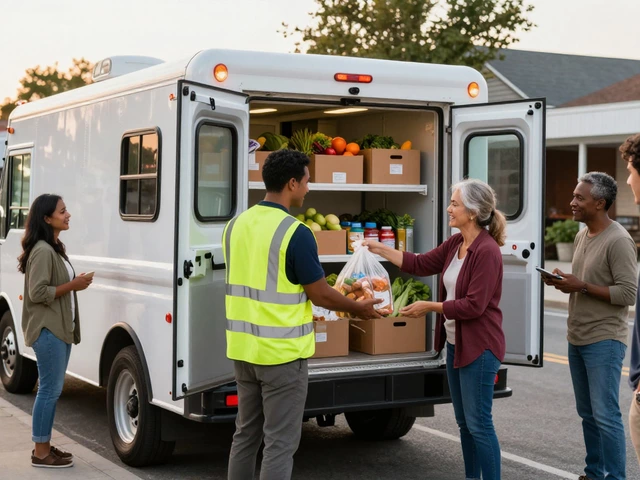
Too many organizations run one big event and call it a day. But what if you turned that into a monthly rhythm? A resource fair doesn’t need to be huge. Set up a table at the local library, community center, or even a church parking lot. Invite three local services each month: maybe a financial counselor, a job coach, and a mental health peer supporter. The task? Make sure each service has a clear goal: Help five people sign up for a service today. Not hand out brochures. Not talk to as many people as possible. Five signed-up people. That’s measurable. That’s doable. And over six months, you’ll have 90 real connections-not just 90 pamphlets.
Language and Literacy Buddy System
Many newcomers struggle not because they don’t want to learn, but because they’re overwhelmed. A simple task: pair a fluent English speaker with someone learning the language for one hour a week. The goal? Not to teach grammar. To practice real-life situations: filling out a form, calling the doctor, reading a bus schedule. Provide a short list of 10 common scenarios and let them pick one each week. No textbooks. No tests. Just conversation. This isn’t tutoring. It’s connection. And it builds trust faster than any flyer ever could.
Neighborhood Cleanup Crews
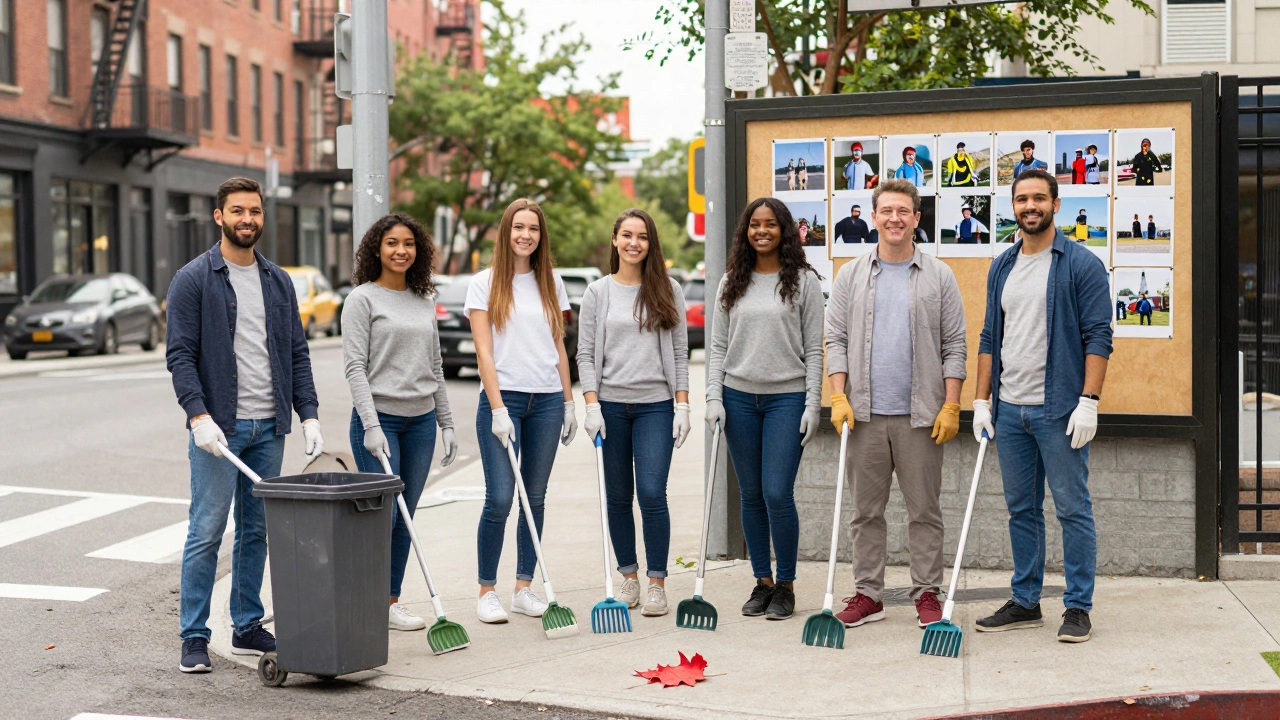
People don’t always want to clean up trash. But they do want to make their block look better. Turn cleanup into a weekly task with low pressure: gather five volunteers every Saturday morning for 90 minutes. Give them gloves, grabbers, and a map of one city block. Assign each person a corner. No pressure to pick up every bottle. Just make one corner look better than last week. Track progress with before-and-after photos posted on a bulletin board. The goal isn’t perfection. It’s momentum. When people see their block change, they start to care more about other issues too-like lighting, sidewalks, or local parks.

Feedback Loop with Local Leaders
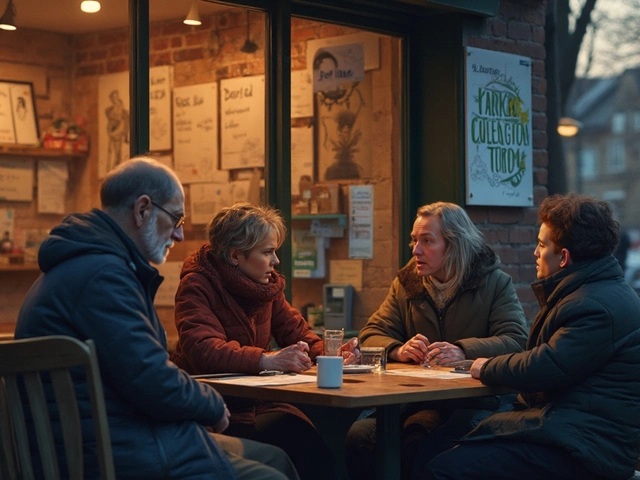
Outreach fails when people feel unheard. Create a simple monthly task: invite two residents to meet with a city councilor or school board member. Not a public hearing. Not a forum. A 30-minute coffee chat. The resident brings one issue they’ve noticed. The leader brings one thing they’re trying to fix. The task? Find one small thing they can do together before the next meeting. Maybe it’s installing a bench. Maybe it’s checking if a pothole has been fixed. The point isn’t to solve everything. It’s to prove that change is possible-and that regular people have a voice.
Outreach Tracker for Volunteers
Volunteers burn out when they don’t see impact. Build a simple tracker: a whiteboard or a shared Google Sheet. Each week, volunteers log: Who did you talk to? What did they say? What happened next? No need for names. Just categories: “Senior asked about meds,” “Parent needed childcare,” “Teen wanted job help.” After a month, look at the patterns. Are more people asking about transportation? That’s your next focus. Are people silent on mental health? That’s a sign to train more staff. This tracker turns guesswork into strategy.
Follow-Up Calls After Events
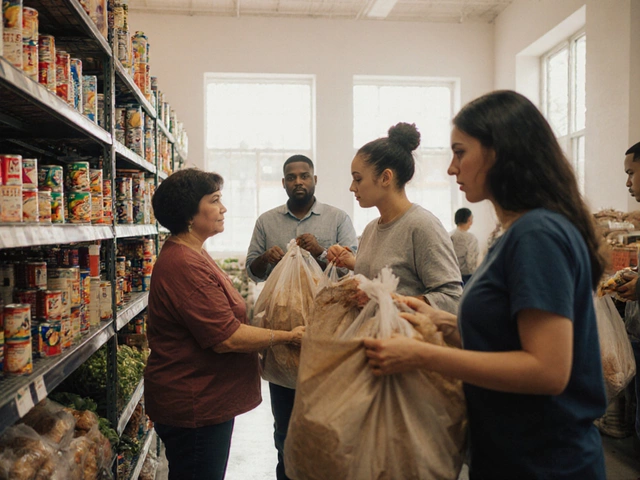
Too many outreach efforts end when the event ends. A follow-up call isn’t a sales pitch. It’s a check-in. After a health fair, a job fair, or a food distribution, make one simple call: “Hi, I’m calling because you came to our event last week. How did it go for you? Was there anything we could have done better?” Record the answers. Don’t promise fixes. Just say, “We’re listening.” People remember that. And over time, those calls turn strangers into partners.
Task Design Rules
Not every task works. The best outreach tasks have three things: Specific, Small, and Repeatable. If a task takes more than 90 minutes, it won’t stick. If it’s vague-like “help the community”-it won’t get done. If it’s a one-time thing, it won’t build trust. Ask yourself: Could someone do this on a rainy Tuesday afternoon? If yes, it’s a real task. If no, it’s just an event.
What Doesn’t Work
Don’t try to do everything. Don’t hand out 500 flyers and call it outreach. Don’t host a festival and expect people to join your cause. Don’t ask volunteers to do things they don’t understand. Outreach isn’t about volume. It’s about depth. One person who shows up every week for six months is worth ten who show up once.
Start Small. Stay Consistent.
You don’t need a budget or a team of ten. Start with one task. One time per week. One person you can count on. Maybe it’s a weekly walk around the block with a notebook. Maybe it’s a 20-minute chat with someone at the bus stop. Track it. Adjust it. Repeat it. That’s how real outreach begins-not with a press release, but with a quiet conversation that happens again next week.