What Skill Made the Biggest Difference When You Volunteered?
What Volunteering Skill Are You Naturally Good At?
Discover the quiet, powerful skill you already possess that makes you effective at volunteering—often without realizing it.
When you show up to volunteer, no one asks for your resume. They don’t care if you went to college or what your job title is. What they notice is what you can actually do-right then, right there. The skill that gets you through the messy, tiring, unpredictable hours of volunteering isn’t always the one you think it is. It’s often something quiet, something you’ve never labeled as a "skill" before.
You Didn’t Know You Had This Skill
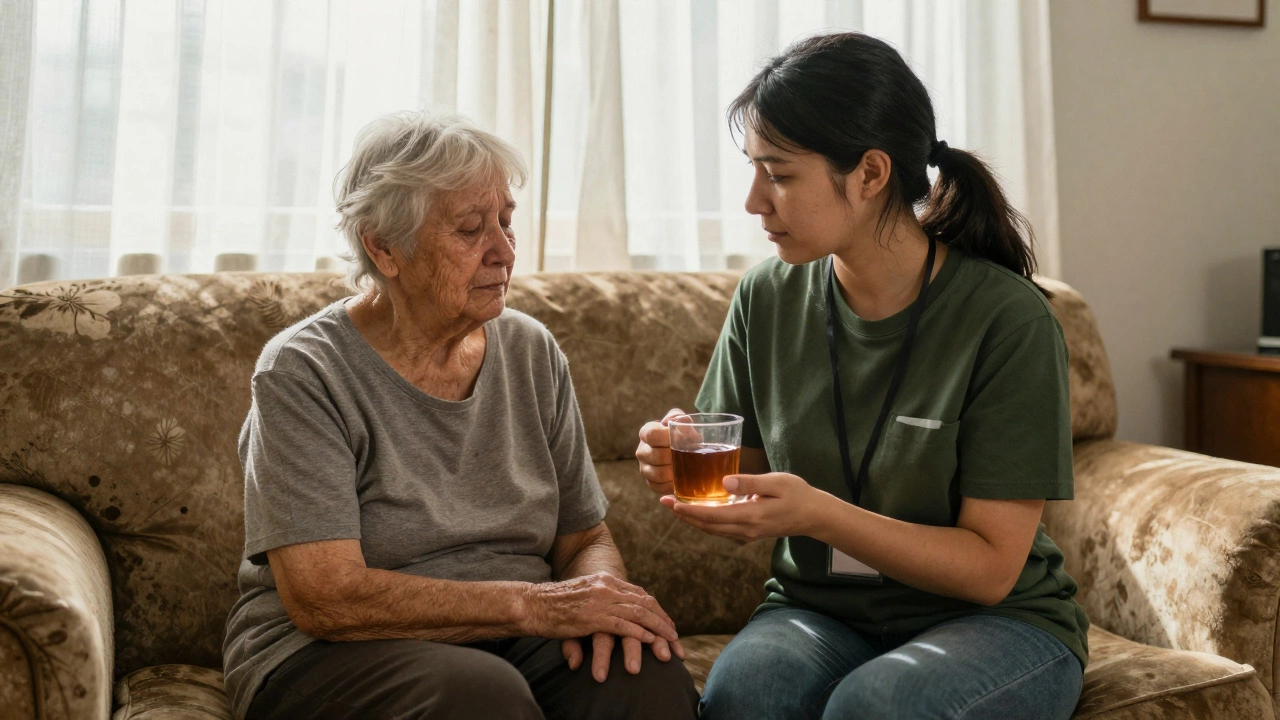
Most people think volunteering needs big talents: public speaking, teaching, medical training. But the real game-changer? Listening. Not the kind where you wait for your turn to talk. The kind where you sit with someone who hasn’t been heard in days, maybe weeks, and you just let them talk. No fixing. No advice. Just presence.
I’ve seen volunteers come in with a plan to teach English to refugees. They bring flashcards, worksheets, lesson plans. Then they meet a woman who lost her husband last month and hasn’t spoken since. The lesson plan goes unused. What works? Sitting beside her while she cries. Nodding. Making tea. Not saying a word. That’s a skill. And it’s one you can’t learn from a book.
Patience Isn’t Passive-It’s Powerful
Volunteering at a food bank sounds simple: hand out boxes. But you’re handing them out to people who’ve been turned away before. Who’ve been judged. Who feel invisible. If you rush them, hurry them along, treat them like a line of customers, they won’t come back. But if you pause. Ask their name. Remember it next week. That’s patience. And it’s not just being calm. It’s choosing to slow down when the system wants you to speed up.
A volunteer at a homeless shelter in Wellington told me she used to get frustrated when someone kept asking for the same thing-socks, blankets, a warm meal. Then she realized: for them, that’s not repetition. That’s survival. Her patience became consistency. And consistency became trust. That’s the kind of skill that changes lives-not because it’s flashy, but because it’s reliable.
Organization Isn’t Just for Office Workers
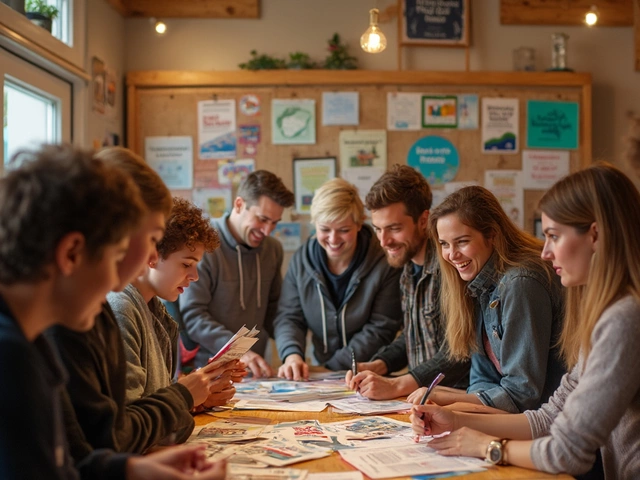
People think organizing events means spreadsheets and Gantt charts. But in volunteering, organization is about knowing where the extra gloves are. Who needs a ride. When the van breaks down. Who’s allergic to peanuts. Who’s too shy to ask for help.
At a youth after-school program, one volunteer started keeping a small notebook. Not for attendance. For tiny details: "Mia hates broccoli but loves apples," "Jaden’s dad works nights-leave snacks for him," "Lena’s shoes are falling apart-check the donation bin." That notebook became the backbone of the whole program. No one told her to do it. She just noticed things others overlooked. That’s organizational skill in action-quiet, practical, life-saving.

Adaptability: The Skill No One Prepares You For
You sign up to tutor kids. You show up. The school cancels. The power’s out. The kids are scared because there was a fire nearby last night. Your lesson plan? Gone. What do you do?
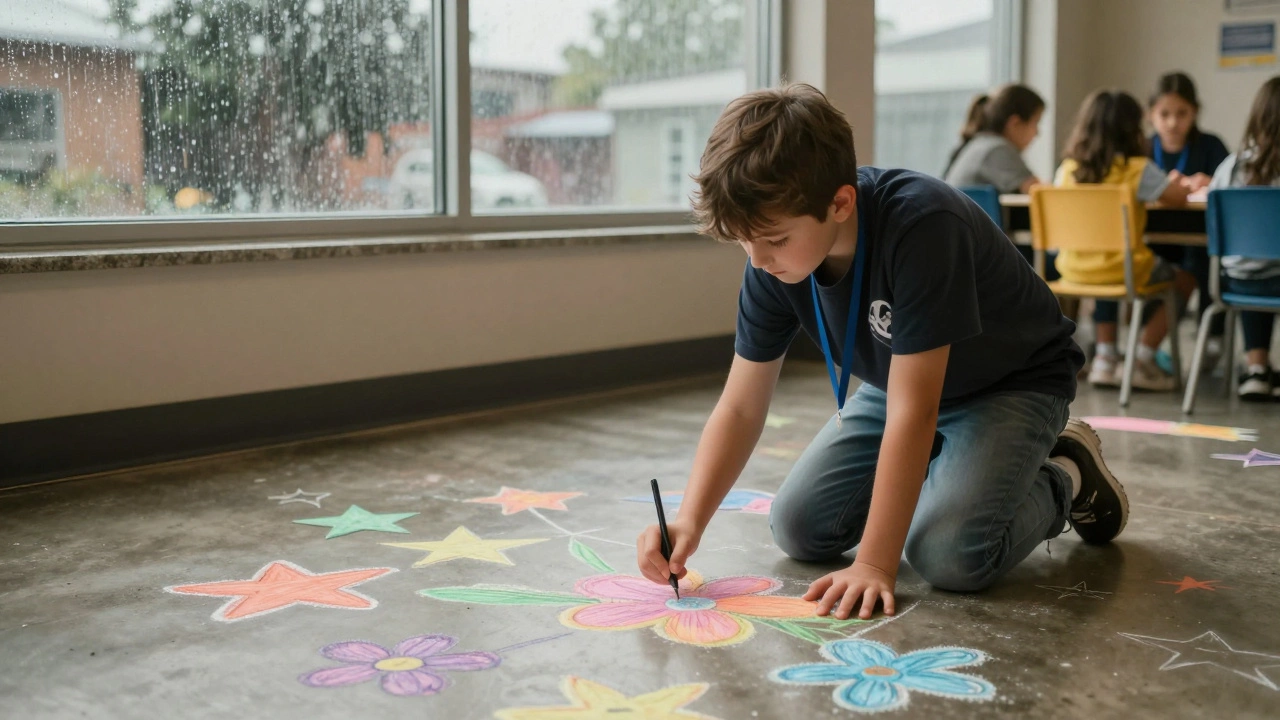
Adaptability isn’t being flexible. It’s being willing to throw out everything you thought was important and start over with whatever’s in front of you. That could mean drawing pictures on the floor with chalk. Singing songs. Just sitting quietly together. The skill isn’t knowing what to do next. It’s being okay with not knowing-and still showing up.
A volunteer at an elderly care center told me she used to panic when someone with dementia didn’t recognize her. Then she stopped trying to correct them. Instead, she’d say, "Tell me about your garden," or "What was your favorite holiday?" And suddenly, they’d light up. She didn’t need to be remembered. She just needed to be present. That’s adaptability. And it’s harder than any technical skill.
Empathy Isn’t Feeling Sorry-It’s Acting
Empathy gets thrown around a lot. But real empathy isn’t saying "I’m sorry you’re going through that." It’s noticing that someone hasn’t eaten all day, and quietly slipping them an extra sandwich. It’s seeing someone’s coat is torn and finding a replacement before they say anything. It’s showing up on a rainy Tuesday because you know they’re alone.
Empathy without action is just emotion. And emotion fades. But when you act on it-when you move a chair closer, when you call a relative you know they haven’t spoken to, when you write down their medication schedule because they forget-it becomes something real. That’s the skill that lasts.
What Skill Do You Bring? Maybe It’s Already Inside You
You don’t need to be a professional to make a difference. You don’t need to be perfect. You just need to show up with what you’ve got. And often, what you’ve got is more than you think.
Maybe your skill is making people laugh when they’re scared. Maybe it’s remembering birthdays. Maybe it’s knowing how to fix a broken bike tire. Maybe it’s just showing up on time, every time, even when you’re tired.
Volunteering doesn’t ask for grand gestures. It asks for steady hands. Quiet courage. Real presence. The skills that matter most are the ones you didn’t know you had-until you needed them.
Start With What’s Already in Your Hands
If you’re thinking about volunteering but feel like you don’t have the right skills, stop. Look around. What do you do naturally? What do people always come to you for? That’s your skill. That’s your contribution.
Volunteering isn’t about filling a role. It’s about bringing your real self to a place that needs it. And that’s always enough.