What to Give Homeless People: A Practical Guide to Food and Essentials
Homeless Outreach Go-Bag Builder
Customize Your Kit
Select quantities to build a practical care package.
Your Go-Bag Summary
- Select items above to see your kit details here.
Scan this list at the store!
You see someone sitting on a bench or standing by a bus stop. They look tired, maybe hungry. Your instinct kicks in: you want to help. You reach for your wallet, but then you pause. Is cash the right move? Should you buy them a coffee? Or is there something more substantial you can offer?
The question of what is the best food to give a homeless person isn't just about nutrition. It’s about dignity, practicality, and safety. Giving the wrong item might seem helpful, but it could actually cause harm or go to waste. If you’ve ever stood there unsure of what to do, you’re not alone. Many people want to help but worry about making things worse.
This guide cuts through the guesswork. We’ll look at exactly what to carry, what to avoid, and why certain items matter more than others. By the end, you’ll know how to provide immediate relief that respects the person’s situation and actual needs.
Why Context Matters More Than Calories
Before we get to the grocery list, let’s talk about the reality of living without stable housing. For someone experiencing homelessness, storage is a major issue. They likely don’t have a fridge, a pantry, or even a safe place to put a bag overnight. This changes everything about what constitutes "good" food.
If you hand someone a sandwich wrapped in plastic, it might spoil in hours if the weather is warm. If you give them a heavy can of soup, they have no way to open it or heat it up. These aren’t minor inconveniences; they are barriers to eating. The goal isn’t just to fill a stomach; it’s to provide sustenance that is accessible immediately and safely.
Consider the physical toll of homelessness. High levels of stress, exposure to the elements, and limited access to clean water mean that hydration and electrolytes are often more critical than solid food. A bottle of water is frequently the most requested item because it is universally useful, has no expiration date concerns, and supports basic health.
The Best Non-Perishable Foods to Carry
When selecting food, think like a backpacker who has lost their stove. You need energy-dense, ready-to-eat items that don’t require preparation. Here are the top choices that balance nutrition with convenience.
- Nut Butter Packets: Single-serving packets of peanut or almond butter are calorie-dense, shelf-stable, and easy to eat. They provide healthy fats and protein without needing utensils.
- Granola and Protein Bars: Look for bars with low sugar content. Brands like Clif, Kind, or local bakery options work well. Avoid those with nuts if you’re unsure of allergies, but generally, these are high-energy staples.
- Dried Fruit and Jerky: Beef jerky, turkey sticks, or dried mangoes offer quick energy and essential nutrients. They are lightweight and won’t crush easily in a pocket or bag.
- Crackers and Biscuits: Plain crackers or cheese crackers pair well with nut butter. They are dry, so they last a long time and are easy to share.
- Bottled Water: Never underestimate this. Hydration is key. Buy small bottles (16oz) as they are easier to carry and consume quickly.
Avoid foods that smell strong (like tuna pouches) unless you ask first, as strong odors can attract pests or draw unwanted attention in public spaces. Also, steer clear of anything that requires peeling with hands if gloves aren’t available, as sticky fingers can be problematic without access to soap and water.
Essential Non-Food Items That Save Lives
Sometimes, the most impactful gift isn’t food at all. While hunger is urgent, other daily struggles can be equally debilitating. Carrying a few small essentials can show deep empathy and practical support.
| Item | Why It Helps | Cost Estimate |
|---|---|---|
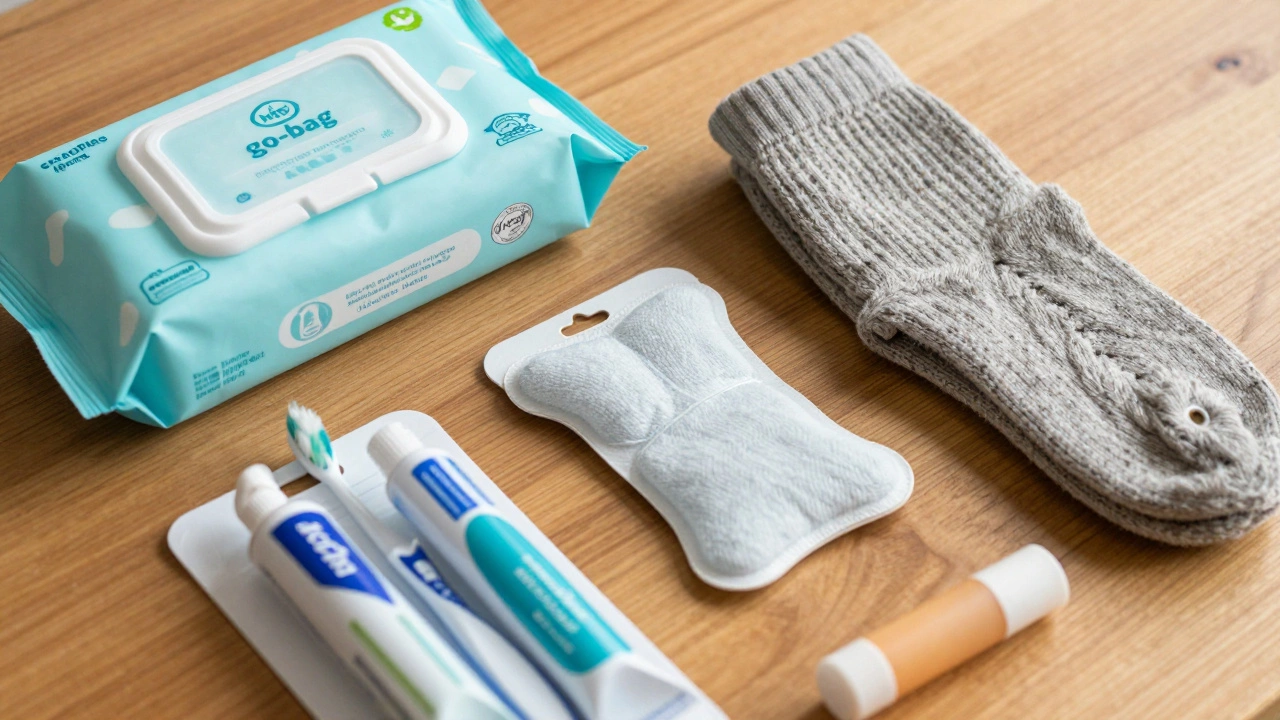
| Wet Wipes / Baby Wipes | Access to showers is rare. Wipes allow for basic hygiene, which boosts morale and health. | $2 - $5 per pack |
| Socks (New) | Feet get wet and cold easily. Clean socks prevent blisters and infections like trench foot. | $3 - $6 per pair |
| Hand Warmers | Chemical heat packs keep hands and feet warm during cold nights. Critical in winter. | $1 - $2 each |
| Phone Charging Cable | Phones are lifelines for job hunting, contacting family, and accessing services. Power banks are great too. | $5 - $10 |
| Toothbrush & Toothpaste | Oral health affects overall health and confidence. Small travel sizes are perfect. | $2 - $4 |
Hygiene kits are incredibly powerful. A small ziplock bag containing wet wipes, a toothbrush, toothpaste, and lip balm costs less than $10 but provides dignity. When someone hasn’t been able to shower in days, feeling clean can change their entire outlook on the day.
The Cash vs. Goods Debate
This is the biggest hesitation for many people. "If I give cash, will they use it for drugs or alcohol?" It’s a valid concern, but research suggests otherwise. Studies from organizations like CARE International and various urban sociology departments indicate that when given cash, homeless individuals prioritize food, phone credit, transportation, and hygiene products.
Cash offers autonomy. It allows the person to choose what they need most in that moment. Maybe they need bus fare to get to a shelter. Maybe they need a specific medication. By giving goods, you are deciding for them. By giving cash, you are trusting them.
If you are uncomfortable giving cash directly, consider these alternatives:
- Gift Cards: Grocery store cards or fast-food gift cards ensure the money is spent on necessities or meals. However, some shelters restrict gift cards due to potential resale issues, so check local policies.
- Direct Purchase: Ask them, "Can I buy you a meal?" Then go into a nearby restaurant or cafe together. This ensures the money goes to food and allows for human connection.
- Donate to Shelters: If you meet someone but don’t feel safe interacting, donate to a local homeless shelter or food bank later. These organizations have systems in place to distribute resources effectively.
Remember, every person experiencing homelessness has a story. Some may struggle with addiction, but many are working full-time jobs, fleeing domestic violence, or dealing with sudden medical bankruptcy. Assuming the worst denies their humanity.
How to Approach Someone Safely and Respectfully
What you give is important, but how you give it matters just as much. Homelessness often involves trauma and hyper-vigilance. Approaching someone aggressively or loudly can trigger fear rather than gratitude.
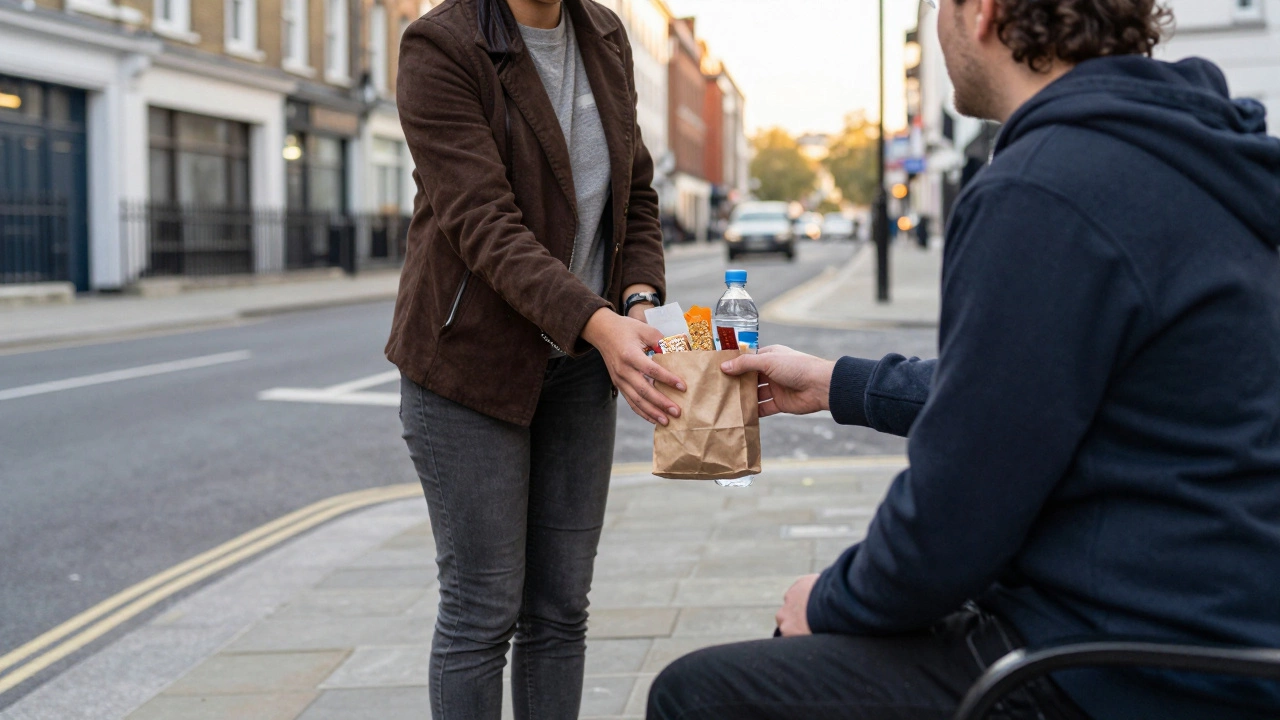
Start with eye contact and a smile. Keep a respectful distance-don’t crowd them. Speak calmly and clearly. A simple, "Hi, I have some food/water if you’d like it," is enough. Do not demand conversation. Do not ask invasive questions about why they are homeless. They do not owe you an explanation for accepting kindness.
If they decline, respect that decision. They might have just eaten, or they might be saving space for something else. Don’t take it personally. Offer a kind word regardless: "Have a good day."
Safety is also a two-way street. If you are alone, especially at night, trust your instincts. If a situation feels unsafe, donate to a local organization instead of engaging directly. There are plenty of ways to help without putting yourself in potential danger.
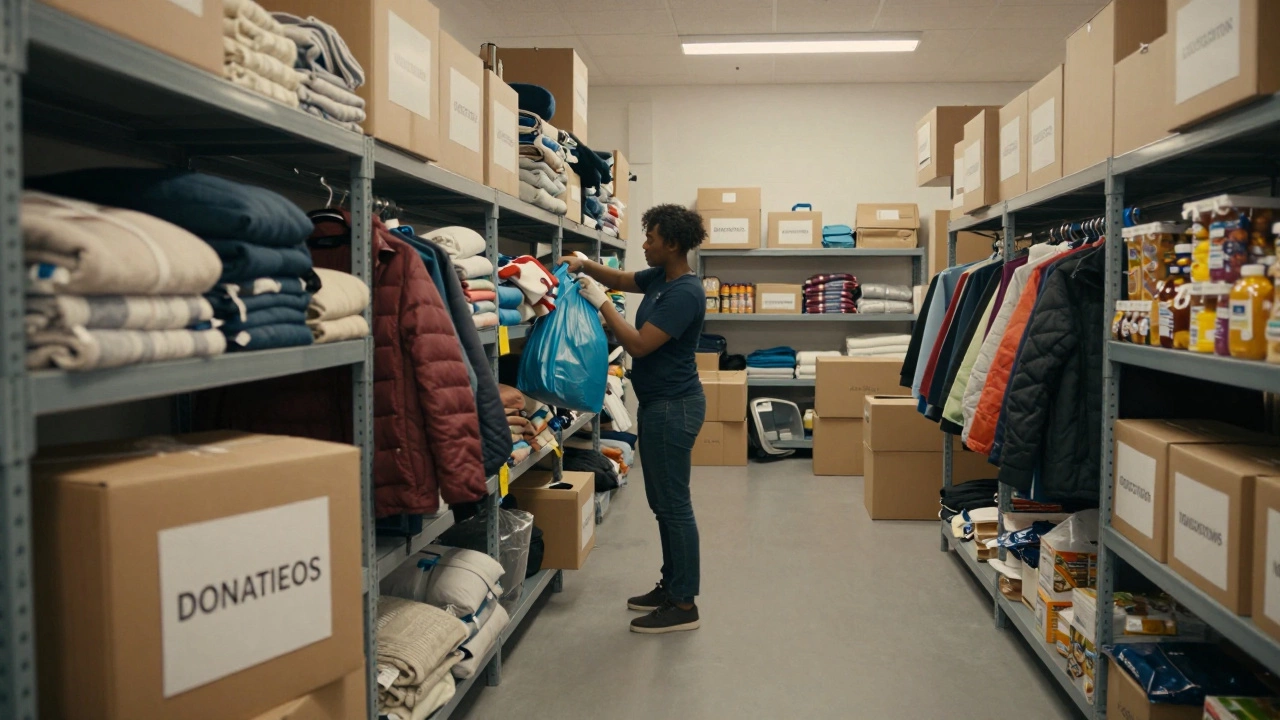
Building a Go-Bag for Regular Help
If you encounter homelessness frequently in your daily commute or neighborhood, consider creating a "go-bag" for your car or home office. This prepares you to help consistently without having to run to the store every time.
Stock your bag with:
- 5-10 single-serving nut butter packets
- 5 granola bars (variety of flavors)
- 5 bottled waters
- 3 pairs of new socks (kept in sealed bags)
- 1 pack of wet wipes
- 1 hand sanitizer
- A few dollar bills in small denominations ($1, $5)
Rotate these items monthly to ensure freshness. Check expiration dates on snacks. Replace socks if they get damp. This small investment of time and money creates a sustainable way to make a difference in your community.
Supporting Systemic Change
While individual acts of kindness are vital, they are band-aids on a systemic wound. To truly address homelessness, we need to support organizations that provide housing, mental health care, and job training.
Look for local community outreach programs. Volunteer at a food bank to help sort and distribute larger quantities of food. Advocate for affordable housing policies in your city. These actions address the root causes rather than just the symptoms.
Many shelters have specific wish lists. In winter, they might need blankets and coats. In summer, they might need sunscreen and hats. Calling ahead to a local shelter lets you know exactly what is needed most. This coordination prevents waste and ensures resources go where they are most effective.
Is it better to give cash or food to homeless people?
It depends on your comfort level and the situation. Cash offers autonomy and allows the person to buy exactly what they need, whether it's food, transport, or medicine. Studies show cash is rarely misused for drugs. However, if you prefer to ensure the aid goes to nutrition, buying a meal together or providing non-perishable food items is a great alternative.
What food should I avoid giving to homeless individuals?
Avoid perishable items like fresh sandwiches, milk, or fruit that bruises easily, as they can spoil quickly without refrigeration. Also, avoid foods that require cooking or special utensils, such as canned goods without a opener. Strong-smelling foods like tuna or sardines can attract pests and create social discomfort in public spaces.
How can I help homeless people without giving them anything?
You can volunteer at local shelters or food banks, donate funds to organizations providing housing and healthcare, and advocate for policy changes that address affordable housing. Additionally, simply treating homeless individuals with dignity and respect-by making eye contact and saying hello-is a powerful form of support that combats social isolation.
Are hygiene kits really necessary?
Yes, hygiene is crucial for health and self-esteem. Access to showers and toilets is often limited for homeless individuals. Items like wet wipes, toothbrushes, deodorant, and clean socks help prevent infections, manage body odor, and restore a sense of normalcy and dignity.
What is the safest way to approach a homeless person?
Approach calmly and respectfully, keeping a safe distance. Make eye contact and speak softly. Offer help without demanding interaction or information. If they decline, accept it gracefully. Always prioritize your own safety, especially at night or in isolated areas, and consider donating to shelters if direct interaction feels unsafe.