
What to Say Instead of Outreach When Talking to Your Community
Let’s be honest - the word outreach has lost its meaning. It’s everywhere: in grant applications, nonprofit reports, council meetings, and even church bulletins. But when you say it out loud, what do people actually hear? A buzzword. A corporate script. A box to tick. If you’re trying to build real connections in your neighborhood, using the same tired language won’t cut it anymore.
Why ‘outreach’ doesn’t work anymore
Outreach implies you’re reaching out - like you’re standing on the outside and throwing a rope to people who are somehow less connected, less informed, or less worthy. It’s a one-way street. It sounds like you’re doing something for them, not with them.
I’ve sat in too many meetings where a staff member says, ‘We did outreach to the Pasifika community last month,’ and then shows a photo of a flyer taped to a library door. That’s not outreach. That’s broadcasting. Real connection doesn’t happen through flyers. It happens through conversations, shared meals, and showing up - consistently - without an agenda.
When you say ‘outreach,’ you’re not inviting people in. You’re telling them you’ve already decided what they need. And most communities have heard that story before.
What to say instead - and why it matters
Here’s the truth: language shapes action. If you want people to trust you, listen to you, and stay involved, you need to speak like you’re part of the same team - not the person handing out the playbook.
Try these alternatives, depending on what you’re actually doing:
- Community engagement - This works when you’re inviting people into a process. Example: ‘We’re running a series of community engagement sessions to design the new park.’ It says: your voice matters here.
- Building relationships - Perfect when you’re investing time without expecting immediate results. Example: ‘Our team spends two afternoons a week building relationships with local elders at the community center.’ It’s honest. It’s slow. It’s real.
- Connecting with neighbors - Simple, warm, and human. Use this when you’re knocking on doors, hosting block parties, or setting up a free coffee corner. Example: ‘We’re connecting with neighbors to see how we can support families during school holidays.’
- Grassroots involvement - Ideal when you’re empowering local leaders to take the lead. Example: ‘We’re supporting grassroots involvement by training youth ambassadors to lead clean-up days.’ It flips the script - you’re not leading, you’re backing them up.
- Public involvement - Best for formal settings like council planning or policy design. Example: ‘Public involvement in the transport plan starts next month with open forums.’ It’s inclusive without being fluffy.
Each of these phrases carries a different weight. They don’t sound like jargon. They sound like people talking to people.
Real examples from Auckland communities
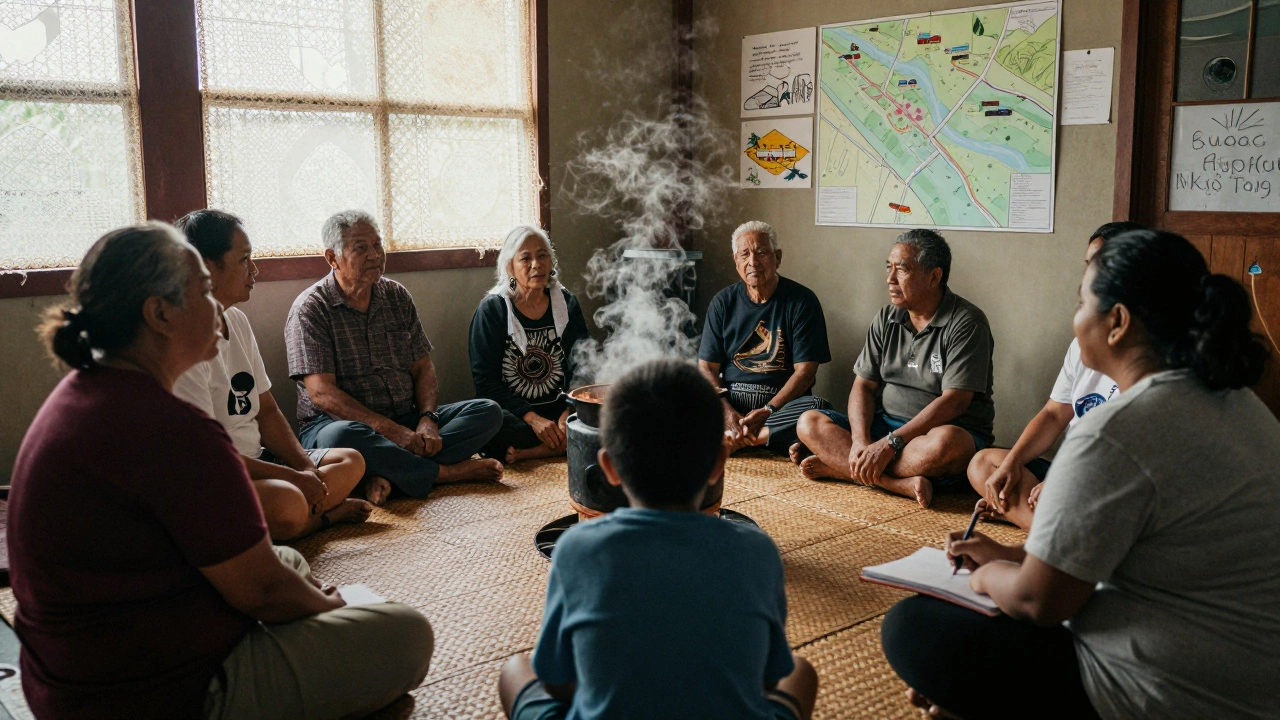
In Ōtara, a local group stopped saying they were doing ‘outreach to young Māori and Pasifika families’ and started saying they were ‘building relationships with tamariki and their kuia through weekly hāngī nights.’ The change wasn’t just words. They started cooking together. Listening more. Letting elders decide what was needed.
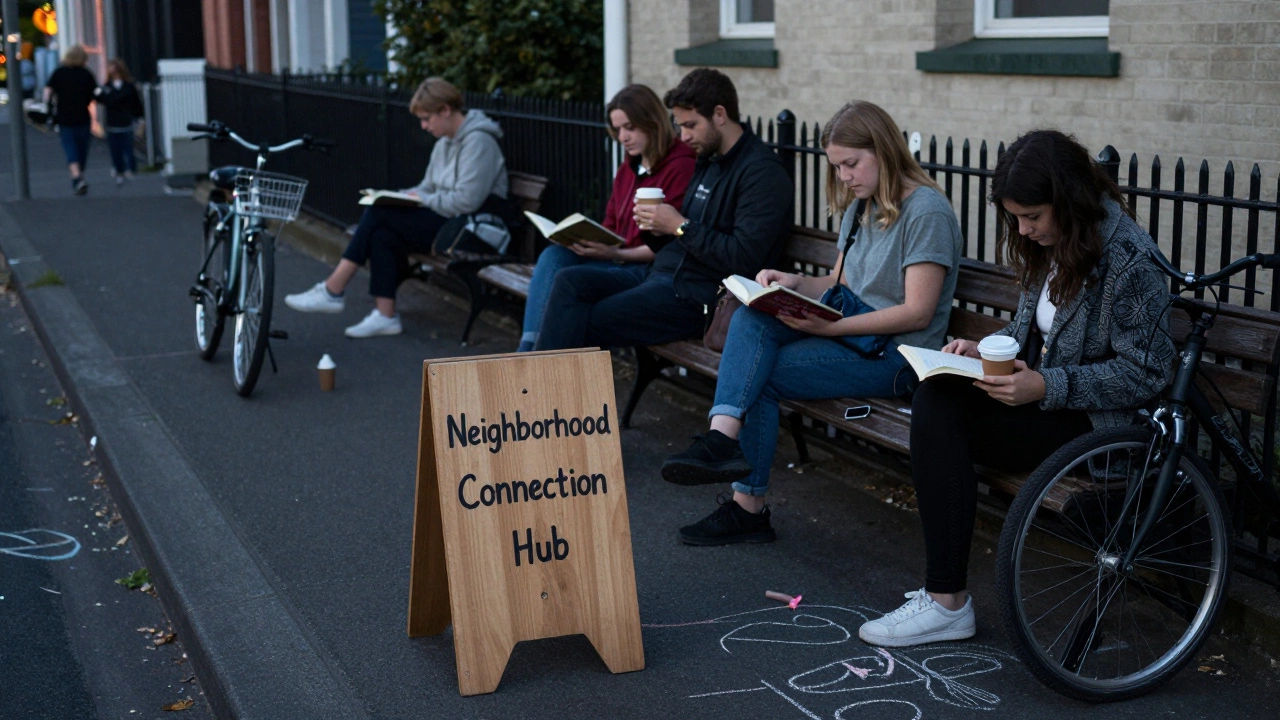
In Ponsonby, a youth center replaced ‘community outreach program’ with ‘neighborhood connection hub.’ The result? Attendance jumped 60% in six months. Why? Because ‘hub’ sounded like a place you’d want to go - not a service you were being delivered.
In West Auckland, a food bank stopped saying, ‘We do outreach to food-insecure households.’ Now they say, ‘We’re cooking meals with families who need a little extra support.’ The difference? People started bringing their own recipes to share. One woman brought her grandmother’s kūmara pie. Now it’s a monthly special.
These aren’t PR tricks. They’re shifts in mindset. When you stop seeing people as targets and start seeing them as neighbors, your language changes naturally.
How to make the switch in your own work
Changing your language isn’t about swapping one word for another. It’s about changing how you show up.
Here’s how to start:
- Listen first. Spend a week just talking - no brochures, no surveys. Ask: ‘What do you wish people understood about this area?’ Write down what you hear.
- Use their words. If people say ‘we just want someone to check in,’ don’t call it ‘outreach.’ Call it ‘checking in.’
- Drop the jargon. If you catch yourself saying ‘stakeholders,’ ‘beneficiaries,’ or ‘target demographics,’ pause. Who are you really talking about? Neighbors? Friends? Families?
- Test it out. Say your new phrase out loud to someone in the community. If they nod and say, ‘Yeah, that’s right,’ you’re on track.
- Be consistent. Change your website, your emails, your signage. Don’t just say it in meetings - live it everywhere.
One group in Mt Roskill replaced every instance of ‘outreach’ on their website with ‘connecting with families.’ They didn’t change a single program. Just the words. Within three months, they got 40% more calls from people saying, ‘I saw you’re really listening - I want to help.’
What happens when you stop saying ‘outreach’
You stop treating people like projects.
You stop assuming you know what’s best.
You start seeing people as the experts of their own lives.
And suddenly, people start showing up - not because you asked them to, but because they feel like they belong.
That’s not outreach. That’s community.
Common mistakes when switching language
It’s easy to think, ‘Okay, I’ll just say “engagement” instead of “outreach.”’ But that’s still a buzzword if you’re not changing your actions.
Here’s what to avoid:
- Using ‘engagement’ while still running one-off events with no follow-up.
- Calling it ‘building relationships’ but only showing up when you need volunteers.
- Switching to ‘connecting with neighbors’ but still handing out flyers in English only, ignoring te reo Māori or Tongan speakers.
Language without action is just noise. The words matter - but only if they match what you’re actually doing.
If you’re still running a one-day food drive and calling it ‘community connection,’ you’re not connecting. You’re distributing.
Real connection means showing up again next week. And the week after. And listening when someone says, ‘Actually, we need more than food - we need someone to help us fill out the housing form.’
Final thought: Speak like you belong
You don’t need fancy terms to make a difference. You just need to speak like you’re part of the community - not a visitor.
Try this: next time you’re about to say ‘outreach,’ pause. Ask yourself: ‘Am I trying to fix something? Or am I trying to be part of something?’
If it’s the latter - then say it like it is.
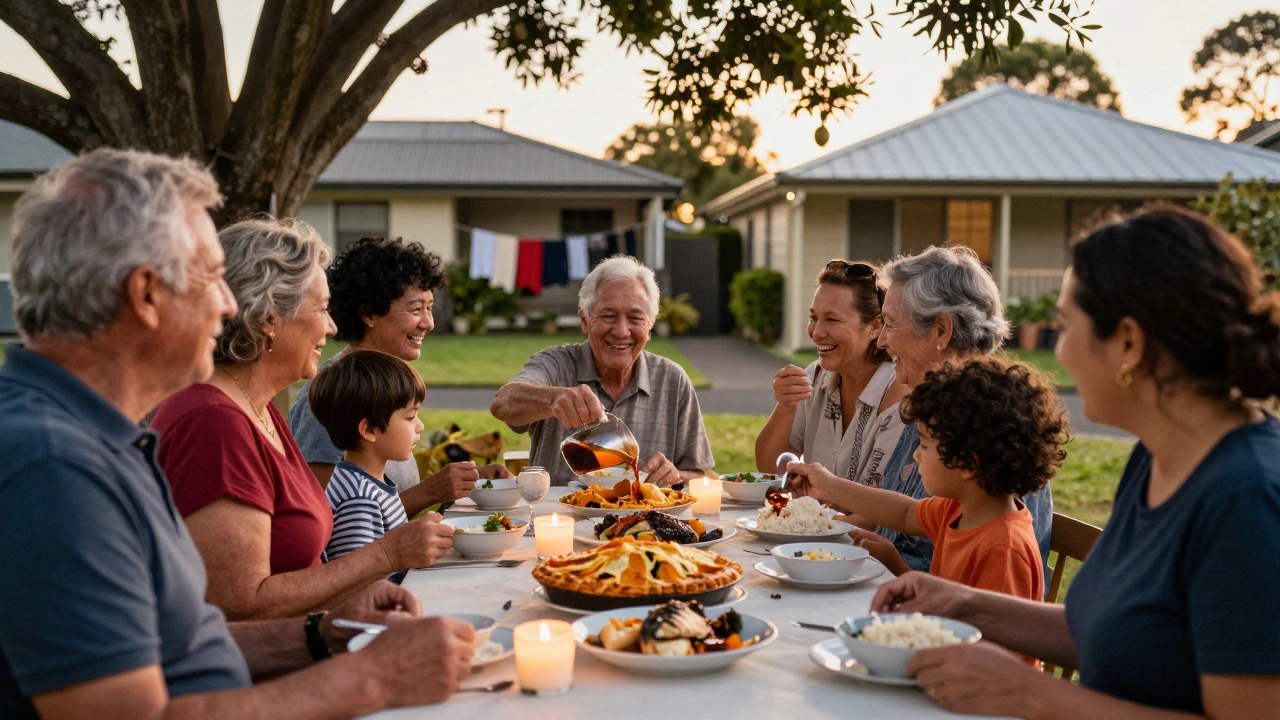
‘We’re cooking with families.’
‘We’re learning from elders.’
‘We’re showing up - every Thursday.’
That’s not outreach.
That’s home.
Is ‘community engagement’ just a fancy word for outreach?
No - if you’re doing it right. ‘Outreach’ often means you’re delivering something to people. ‘Community engagement’ means you’re inviting people into the process. The difference is control. Engagement asks, ‘What do you need?’ Outreach assumes, ‘Here’s what you need.’
What if my organization still uses ‘outreach’ in official documents?
Start small. Use the new language in emails, social media, and conversations. In formal reports, you can say: ‘We refer to this work as community engagement - a shift from traditional outreach models to deeper, reciprocal relationships.’ Then explain what that means in plain language. Change happens from the inside out.
Can I use both ‘outreach’ and ‘community connection’ in the same message?
Only if you’re explaining the difference. For example: ‘While we used to call this outreach, we now see it as community connection - because real change happens when we work together, not when we just show up with supplies.’ Clarity beats confusion. Don’t let people think you’re just rebranding.
What’s the best phrase to use with local government?
‘Public involvement’ works best here. It’s the term councils use in official policy documents, and it carries legal weight. But even then, back it up with stories: ‘Public involvement means we held 12 hui with families in Papakura - not just one survey.’ Show the depth behind the term.
I’m a volunteer - how do I talk about this in casual conversations?
Keep it simple. ‘I help out at the community kitchen every Tuesday - we cook meals with people who are going through a tough time.’ No jargon. No labels. Just truth. That’s all it takes to start real change.