
What to Say Instead of Volunteering When You Want to Help Out
Helping Phrase Reframer
Make your help sound natural
Enter your helping statement containing "volunteer" and I'll rephrase it using more inviting language.
Your statement will appear here after refraction
Everyone wants to help. But saying volunteering feels outdated, awkward, or even overwhelming. Maybe you’ve said it before and got a blank stare. Or you’re tired of the guilt trip that comes with it. The truth? You don’t need to call it volunteering to make a real difference. There are better, more natural ways to talk about helping out-and they actually get people to say yes.
You don’t have to call it volunteering to make an impact
The word "volunteering" comes with baggage. It sounds like a chore. Like you’re signing up for a shift at a soup kitchen in your Sunday best. But helping doesn’t have to look like that. Most people don’t want to "volunteer." They want to connect. To do something meaningful without feeling like they’re being asked to give up their weekend. Think about it: when was the last time someone said, "I’m volunteering at the animal shelter," and you thought, "That’s awesome, I want to do that too?" Probably never. But if they said, "I walk dogs every Saturday morning at the shelter-it’s my way to unwind," now you’re curious. That’s the difference. It’s not about the label. It’s about the story.Real ways to talk about helping (that actually work)
Here’s what people actually say when they’re doing good without using the V-word:- "I help out at the food bank on Thursdays. We pack boxes for families who need groceries."
- "I tutor kids after school at the community center. Just two hours a week, but it’s the highlight of my week."
- "I drive seniors to their appointments every other Friday. They’re always so grateful-and I get to hear their stories."
- "I sort clothes at the thrift store. It’s messy, but I love seeing what people donate."
- "I plant trees with the local group every spring. We’ve put in over 500 in the last three years."
Why "volunteering" turns people off
Let’s be honest. The word "volunteer" has been overused by nonprofits trying to sound noble. It’s become a buzzword. And when you hear it, your brain goes to:- Long hours
- Training sessions
- Wearing a badge
- Feeling obligated
- Flexibility
- Meaning
- Connection
- Something that fits their life
How to reframe your own help
If you’re trying to get involved but don’t want to say "volunteer," start by asking yourself:- What do I actually do?
- When and where do I do it?
- How does it make me feel?
- Who benefits?
Old way: "I volunteer at the homeless shelter."
New way: "I help serve meals at the downtown center on Wednesday nights. It’s quiet, but you can tell people are glad to have a hot plate. I always leave feeling like I did something real."
The second version doesn’t mention volunteering. But it’s way more powerful.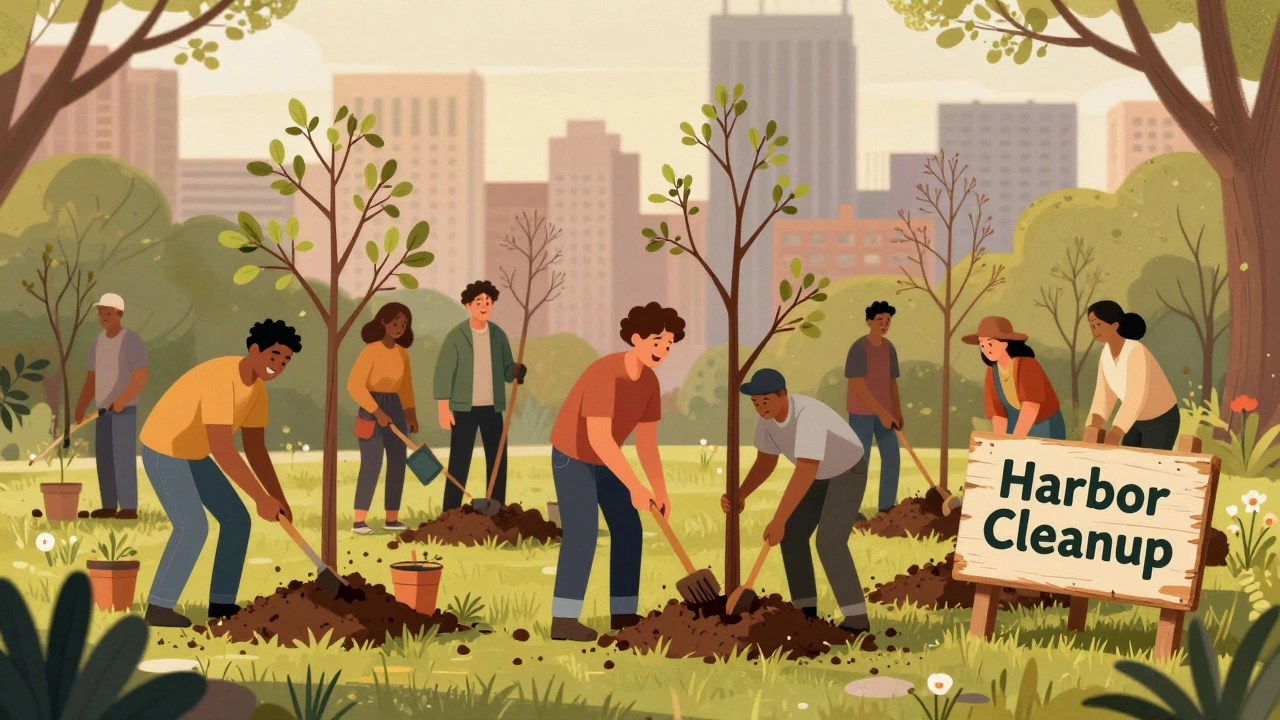
What organizations are saying instead
Even nonprofits are catching on. In Auckland, groups like St. Vincent de Paul is a charitable organization that supports people experiencing hardship through food, housing, and community programs don’t say "join our volunteer team." They say:- "Come help us pack hampers for families."
- "Bring a warm coat and drop it off at our hub."
- "Join us for a Saturday cleanup at the harbor."
It’s not about the title-it’s about the action
You don’t need a title to be valuable. You don’t need a badge. You don’t need to sign a form. You just need to show up, even once. A woman in Otahuhu started bringing homemade cookies to the local youth center every Friday. No announcement. No flyer. Just cookies. Now the kids wait for her. The staff call her "Cookie Lady." She doesn’t call herself a volunteer. But she’s the reason some kids have their only warm meal of the week. That’s the point.How to invite others without saying "volunteer"
If you want to get others involved, don’t ask: "Would you like to volunteer?" Try these instead:- "I’ve been helping out at the animal shelter. Want to come with me next week?"
- "There’s a tree planting day this Saturday. I’m going-want to join?"
- "The food bank needs someone to sort donations. I’ve been doing it for months. Could use a hand."
- "I’ve been reading to kids at the library. It’s so quiet and peaceful. You should try it."
You’re already helping. You just don’t call it that
Maybe you’re already doing this without realizing it:- You pick up litter on your walk to the bus stop.
- You check in on your elderly neighbor every Sunday.
- You donate your old books to the local school.
- You help a stranger carry groceries to their car.
Start small. Start real.
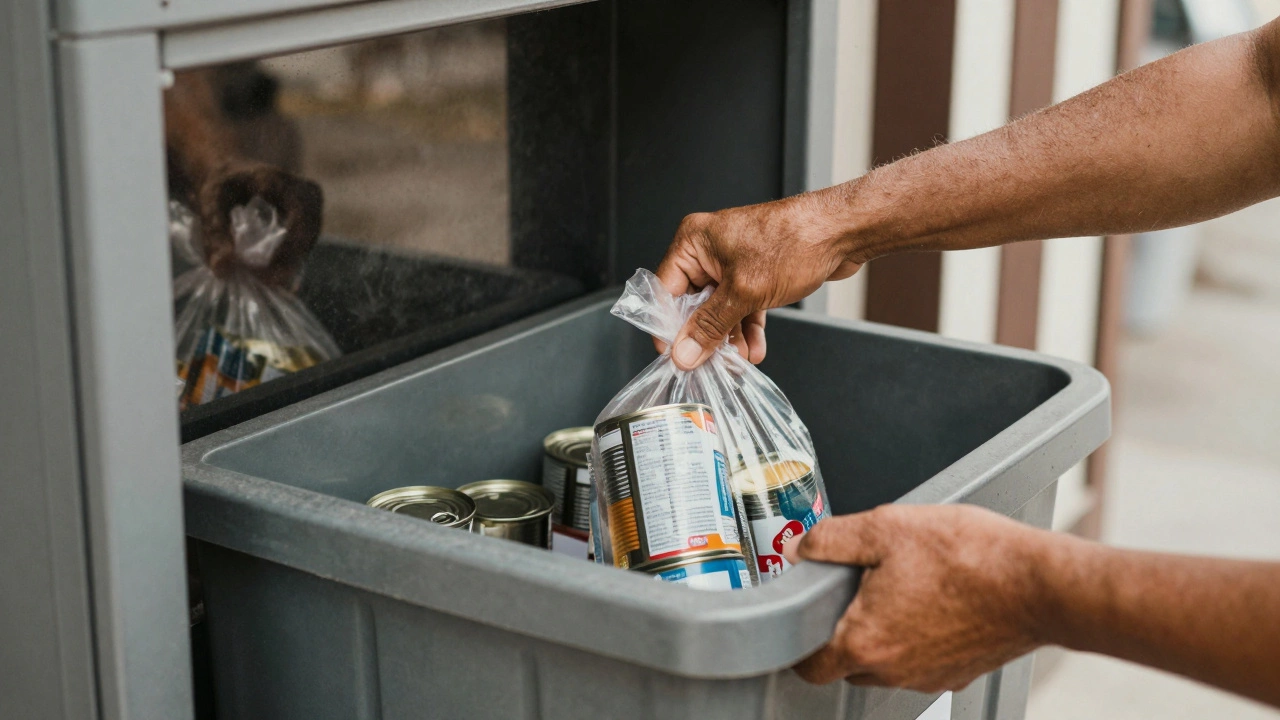
You don’t need to quit your job. You don’t need to spend hours. You just need to do something that matters-to you and to someone else. Pick one thing this week:- Drop off warm clothes at a donation bin.
- Bring a meal to someone who’s sick.
- Help organize a book swap at your kid’s school.
- Join a beach cleanup.
"I’m just helping out."
That’s enough. That’s real. That’s what matters.Do I need to sign up or fill out forms to help out?
No, not always. Many organizations welcome drop-ins-like bringing canned food to a food bank, joining a weekend cleanup, or dropping off clothes. Some roles do require training or background checks, especially if you’re working with kids or vulnerable adults. But most simple acts of help don’t need paperwork. Just show up with an open heart.
What if I don’t have much time?
You don’t need hours. One hour a month changes lives. So does one bag of groceries. One phone call to a lonely person. One ride to an appointment. Small acts add up. Don’t wait for the perfect amount of time. Start with what you have now.
Can I help without leaving my house?
Absolutely. You can write letters to seniors in care homes, sew blankets for shelters, translate documents for refugees, or donate online to local causes. Many organizations need remote help-especially with social media, admin work, or fundraising. Your skills matter, no matter where you are.
Is helping out the same as charity?
Not exactly. Charity often means giving money. Helping out means giving your time, energy, or presence. Both matter. But helping out builds relationships. It reminds people they’re not alone. That’s why it lasts longer than a donation ever could.
How do I find opportunities near me?
Check local libraries, community centers, or your city’s website. Look for events like "Clean Up Day," "Neighborhood Potluck," or "Book Drive." Ask at your local church, school, or sports club. Often, the best opportunities aren’t advertised-they’re just happening. Show up and ask: "How can I help?"