
Who Can Use a Local Food Bank? Eligibility and Access Guide
Food Assistance Finder & Guide
Find the Right Support for Your Situation
Answer a few quick questions to see which food assistance option is the best fit for you right now.
Who can actually walk into a food bank?
If you're staring at an empty fridge and wondering if you're "poor enough" to qualify for help, here is the short answer: yes, almost anyone who is struggling to put food on the table can access a food bank. There is a common myth that you need to be homeless or living on the street to get help. In reality, the people walking through the doors of a food bank are often working parents, seniors on fixed incomes, or people who just hit a rough patch due to a medical bill or a job loss. Food bank eligibility isn't about meeting a strict poverty line; it's about addressing immediate hunger.
Most organizations operate on a low-barrier model. They aren't there to judge your bank statement; they are there to make sure you don't go to bed hungry tonight. Whether you are a student who spent their last dime on textbooks or a homeowner whose mortgage just spiked, these services are designed to be a safety net for the entire community.
- Most food banks are open to anyone in need, regardless of official government status.
- Requirements vary by location, ranging from "no questions asked" to proof of residency.
- Help is available for various situations: job loss, medical emergencies, or low wages.
- Many food banks offer specialized support for children, seniors, and people with allergies.
Different types of food assistance and how they work
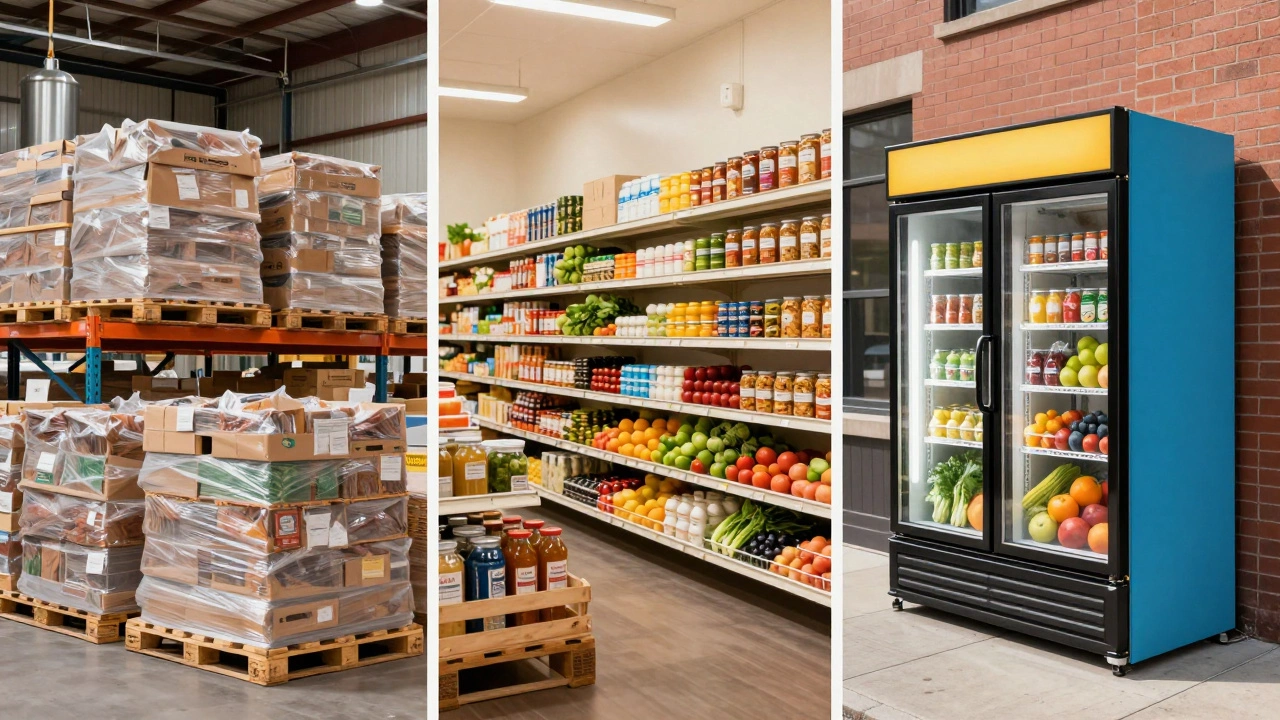
Not every place that gives out food works the same way. Understanding the difference between a food bank and a food pantry can help you find the right spot. A Food Bank is a large-scale warehouse that collects and distributes food to smaller agencies. You usually don't go directly to a regional food bank to get a bag of groceries; instead, they supply the smaller local hubs.
The Food Pantry, on the other hand, is the neighborhood spot where you actually pick up the food. These are often run by churches, community centers, or non-profits. Because they are smaller, they might have different rules. Some might only be open on Tuesday mornings, while others operate like a small grocery store where you choose your own items.
Then there are Community Fridges. These are essentially a "take what you need, leave what you can" system. They are often located on city sidewalks and have zero eligibility requirements. No forms, no IDs, and no questions. They are the most accessible form of immediate food relief.
| Type | Primary Function | Access Level | Requirements |
|---|---|---|---|
| Food Bank | Wholesale Distribution | Indirect | N/A (B2B) |
| Food Pantry | Direct Client Service | Direct | Low to Medium |
| Community Fridge | Mutual Aid | Direct | None |
What do you actually need to bring?
This is the part that makes people nervous. Will they ask for a pay stub? Do you need a social security number? While every location is different, most follow a few common patterns. Many pantries operate on a "self-declaration" basis, meaning you simply tell them you need help, and they believe you.
Some locations might ask for a few specific things to ensure they are serving their local community:
- Proof of Address: A utility bill or a piece of mail. They do this to make sure you live in the area they are funded to serve.
- Photo ID: A driver's license or state ID to keep track of how often a household visits.
- Household Size: They'll ask how many people live in your home so they can give you the right amount of food.
If you don't have an ID or a permanent address-for example, if you're experiencing homelessness-don't let that stop you. Most staff are trained to find alternative ways to verify your need. Just be honest about your situation, and they will usually work with you to find a solution.
Common myths about using food banks
There is a lot of shame attached to food insecurity, and that shame is often fueled by myths. One of the biggest is the idea that you are "taking food away" from someone who needs it more. Think of it this way: food banks usually have a massive surplus of donated goods that would otherwise rot in a warehouse. By using the service, you are actually helping the organization move inventory and fulfill their mission.
Another myth is that food banks only provide cans of corn and generic pasta. While those are staples, many modern pantries now partner with Feeding America or local farmers to provide fresh produce, milk, eggs, and even meat. Some locations even have "choice pantries" where you shop from shelves, allowing you to pick things that fit your dietary needs or cultural preferences.
Finally, some people think they can't use a food bank if they receive other benefits like SNAP (Supplemental Nutrition Assistance Program). This is completely false. SNAP is designed to help, but for many, the monthly benefit isn't enough to cover a full month of healthy eating. Food pantries are meant to supplement those benefits, not replace them.
How to find and approach a food bank for the first time
If you've never done this before, the first visit can feel intimidating. The best way to start is by searching for "food pantries near me" or calling 211, which is the universal number for essential community services in many regions. They can tell you exactly which locations are open and what their current hours are.
When you arrive, be prepared for a short intake process. A volunteer might ask you a few questions about your dietary restrictions or your family's needs. It's helpful to bring your own reusable bags if you have them, although most places provide boxes. If you have a specific allergy-like a nut or gluten allergy-mention it immediately. Many pantries have separate bins for allergen-free options.
Remember that the people working there are usually volunteers who have seen every type of situation imaginable. They aren't there to judge your life choices; they're there to make sure you have a meal. A simple "thank you" goes a long way, as these organizations rely heavily on the kindness of others to keep running.
Special considerations: Dietary needs and accessibility
One common worry is whether a food bank can accommodate specific health needs. If you are diabetic or have high blood pressure, you might worry about receiving too many high-sugar or high-sodium processed foods. Many modern pantries now prioritize "Nutrition Security," meaning they try to provide whole grains and fresh vegetables over canned goods.
For those with limited mobility, some organizations offer delivery services or "drive-thru" pantries where you don't even have to leave your car. This was a huge trend during the pandemic and has stayed in place at many locations because it's faster for both the staff and the clients.
If you are a parent, look for pantries that specifically offer WIC (Women, Infants, and Children) support or a "back-to-school" program. Some food banks provide extra formula, diapers, and children's snacks during the summer months when school lunch programs aren't running.
Do I need to be low-income to use a food bank?
While food banks are designed for those with low income, there is no "magic number" on a paycheck that disqualifies you. If you are struggling to afford food due to an emergency, a spike in rent, or unexpected bills, you are welcome to seek help. Most pantries focus on your current need rather than your lifetime earnings.
Can I go to a food bank in a different city than where I live?
Some pantries have strict residency requirements because they are funded by local donations. However, many others-especially those run by religious organizations or mutual aid groups-will help anyone who walks through the door regardless of where they live. It is best to check their website or call ahead if you are traveling.
How often can I visit the same food bank?
This depends entirely on the organization. Some allow weekly visits, while others have a limit of once per month per household. This is done to ensure that the available food is spread fairly among all the families in the community. If you need help more frequently, the staff can often refer you to other nearby pantries.
What happens if I have a food allergy?
You should tell the volunteer immediately upon arrival. Many pantries have a dedicated section for gluten-free, dairy-free, or nut-free items. If they don't have specific options, they can often help you sift through the available crates to find the safest options for your health.
Is the food at food banks safe and fresh?
Yes. Reputable food banks follow strict health and safety guidelines. They coordinate with grocery stores and farms to rescue food before it expires. While you will see a lot of canned goods, many also provide refrigerated items like produce and dairy that are monitored for freshness.
Next steps for finding help
If you're feeling overwhelmed, start with one small action. Open a map app and search for "food pantry." Once you find a location, check their hours-many are only open for a few hours a week. If you have a phone, call 211 to get a list of the most reliable spots in your specific zip code.
If you find that you need help not just with food, but also with electricity or rent, ask the food pantry staff about "wrap-around services." Many pantries are hubs for other charities and can point you toward rental assistance or job training programs. You don't have to figure everything out on your own; the community is there to help you get back on your feet.