

Why People Don't Volunteer: Common Barriers and How to Fix Them
Volunteer Barrier Solver
What's stopping you from volunteering? Select the barrier that resonates most with your current situation to see a recommended path forward.
Stop looking for "shifts" and start looking for "tasks." Instead of a weekly commitment, try:
- Proofreading a single newsletter or email.
- Sharing a specific social media campaign.
- One-time "taster" events or open houses.
You are likely overestimating the required expertise. Most organizations desperately need:
- Basic logistics (sorting cans, organizing shelves).
- Animal care (walking dogs, cleaning cages).
- Simple administration (answering phones).
Financial barriers are real, not psychological. To minimize costs:
- Search for opportunities within walking distance of your home.
- Ask if the organization provides stipends or transport reimbursement.
- Look for virtual volunteering roles that require zero travel.
The Time Trap: The Most Common Excuse
If you look at any survey on reasons for not volunteering, time is always at the top. But let's be honest: is it really a lack of hours, or is it a lack of flexibility? For a parent working a 40-hour week and managing a household, a commitment that requires every Saturday morning for six months feels like a prison sentence. The traditional model of volunteering-fixed schedules and long-term contracts-doesn't fit the modern gig economy or the chaotic nature of family life.
People aren't avoiding the work; they are avoiding the rigidity. When a Nonprofit Organization demands a rigid schedule, they aren't just asking for time; they're asking the volunteer to reorganize their entire life. This creates a high entry barrier. If the process of signing up takes longer than the actual task, most people will simply close the tab and move on.
The Fear of the Unknown and Social Anxiety
Imagine walking into a community center where everyone already knows each other. They have inside jokes, a shared history, and a specific way of doing things. For someone who has never volunteered before, that environment is intimidating. Social anxiety is a huge, often unspoken, barrier. The fear of showing up and not knowing where to stand, who to talk to, or how to perform a task without looking incompetent can be paralyzing.
This is often compounded by a lack of clear instructions. When a role is described as "general helper," it's too vague. A person doesn't know if they'll be filing papers or scrubbing floors. Without a concrete mental image of the day, the brain perceives the situation as a risk. We see this often in Community Outreach programs that fail to provide a detailed onboarding process, leaving newcomers feeling lost and unwelcome.
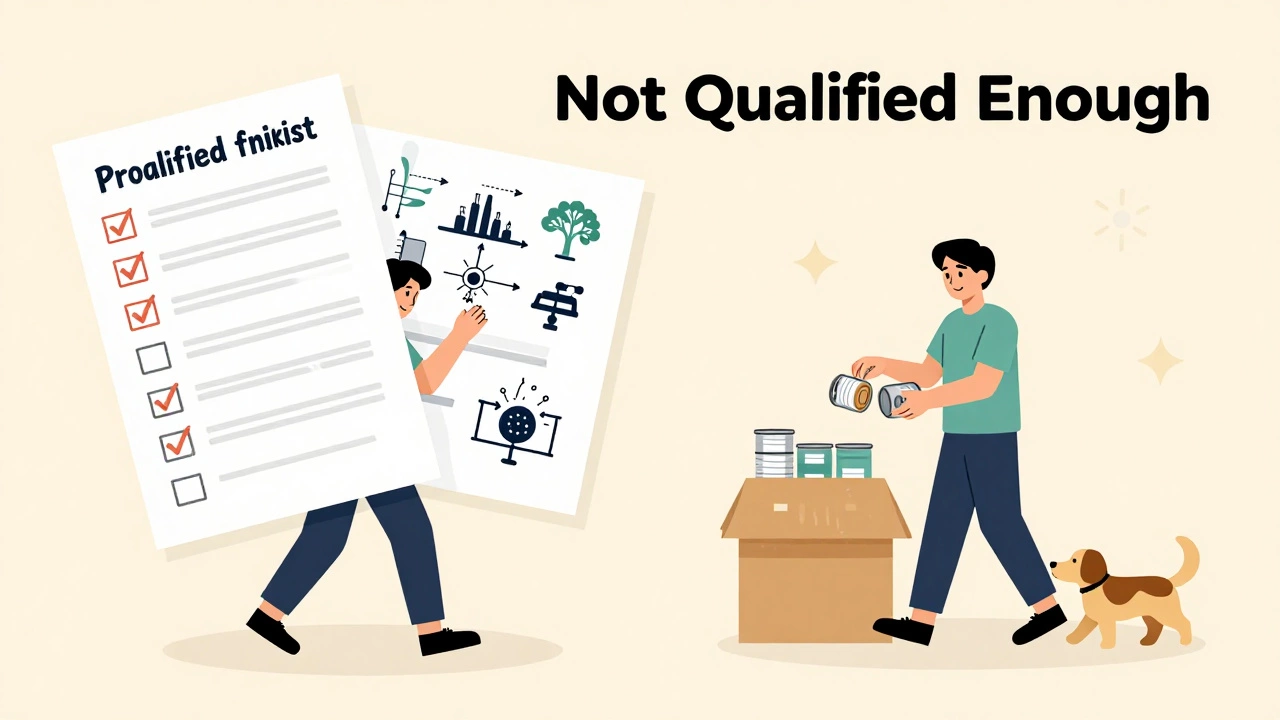
The "Not Qualified Enough" Paradox
There is a strange trend where people feel they aren't "expert" enough to help. You'll see people avoid Environmental Organizations because they aren't biologists, or skip out on Food Banks because they don't have professional logistics training. They mistake volunteering for a professional job application.
This mindset ignores the fact that most organizations need basic human labor-sorting cans, walking dogs, or answering phones-more than they need specialized degrees. When the barrier is internal, the person convinces themselves that their contribution would be negligible. They think, "Why would they want me when they could have someone with a degree in this?" This psychological hurdle turns a potential asset into a bystander.
Comparing Different Barriers to Engagement
| Barrier Type | Primary Audience | Core Issue | Potential Solution |
|---|---|---|---|
| Logistical | Working Professionals | Rigid scheduling | Micro-volunteering / Remote tasks |
| Psychological | Young Adults / Introverts | Fear of social failure | Buddy systems / Clear roles |
| Informational | Newcomers / Retirees | Don't know where to start | Centralized search portals |
| Economic | Low-Income Individuals | Transport/Childcare costs | Stipends or on-site support |
Financial and Invisible Costs
We call it "volunteering," which implies it's free. But for many, it's actually expensive. If a person has to pay for gas, parking, or a babysitter to spend four hours at a Homeless Shelter, the act of giving back comes with a literal price tag. For someone living paycheck to paycheck, that cost is a dealbreaker.
Then there's the "opportunity cost." In a competitive job market, some feel that time spent volunteering is time not spent upskilling or networking for paid work. While Civic Engagement looks great on a resume, the immediate need for income often outweighs the long-term benefit of altruism. If the organization doesn't offer a way to integrate skills-like a marketing expert helping with social media-the volunteer may feel they are wasting a potential earning window.

The Friction of Onboarding
Have you ever tried to volunteer and found out you needed a background check, three references, and a signed liability waiver before you could even move a single box? This is where many potential volunteers drop off. The friction is too high. When the administrative burden exceeds the perceived reward, people quit before they start.
Organizations often do this to protect themselves, but they end up killing their pipeline of talent. A streamlined, digital-first onboarding process can reduce this friction. If a person can sign up via an app and get an immediate confirmation with a "what to expect" guide, they are far more likely to actually show up. The gap between the impulse to help and the first day of work is where most volunteers are lost.
How to Break Through the Barriers
To get more people involved, we have to stop blaming "laziness" and start fixing the systems. The solution lies in moving toward a model of micro-volunteering. This involves breaking down large roles into tiny, manageable tasks that can be done in 15 to 30 minutes. Instead of asking someone to manage a whole project, ask them to proofread one email or share one post.
Additionally, creating "low-stakes" entry points is key. Open houses, "taster" days, or group-based volunteering where people can bring a friend reduce the social anxiety of entering a new environment. When the risk of feeling awkward is lowered, the willingness to participate increases.
Is a lack of time the only real reason people don't volunteer?
No. While time is the most cited reason, it's often a cover for other issues like social anxiety, poor organization on the part of the nonprofit, or the high cost of transportation and childcare. Many people have time but don't feel "qualified" or are intimidated by the social environment.
What is micro-volunteering and how does it help?
Micro-volunteering is the act of performing small, bite-sized tasks that require very little time and can often be done remotely. It helps by removing the barrier of long-term commitment, allowing people to help in a way that fits into their busy schedules without feeling overwhelmed.
How can nonprofits make volunteering less intimidating?
Nonprofits can reduce intimidation by providing clear, specific job descriptions, using a "buddy system" to pair new volunteers with veterans, and offering an orientation guide that explains exactly where to go and what to wear on the first day.
Do people stop volunteering because of the onboarding process?
Yes, frequently. Excessive paperwork, long delays in background checks, and clunky application forms create "friction." If the effort to join feels like a full-time job, many potential helpers will give up before they ever start.
Can volunteering actually be too expensive for some?
Absolutely. Costs for gasoline, parking, public transit, and childcare are real financial burdens. For low-income individuals, these "hidden costs" can make unpaid work impossible, regardless of how much they want to help.
Next Steps for Aspiring Volunteers
If you've been holding back, try starting small. Don't commit to a year; commit to one afternoon. Look for opportunities that align with your existing routine-like a cleanup event in your own neighborhood-to eliminate the travel barrier. If you're nervous about the social aspect, invite a friend to join you. The hardest part of volunteering is almost always the first hour; once you're in the flow of helping, the barriers usually disappear.