How Long Should a Fundraiser Event Last? The Perfect Duration Guide
Fundraiser Event Duration Planner
Select your event type to see the recommended total duration and how to split that time into psychological phases (Hook, Story, Ask, Celebration) for maximum impact.
--
--
Internal Structure Breakdown
Select an event type and click "Generate Timeline" to view the optimized schedule.
You’ve spent months planning the perfect fundraiser event. You have the venue, the catering is sorted, and your heart is in the right place. But then the panic sets in: how long should it actually last? Too short, and you haven’t given donors enough time to connect with your mission or open their wallets. Too long, and you risk guest fatigue, dwindling donations, and a room full of people checking their watches.
The truth is, there’s no single magic number. A black-tie gala runs differently than a community fun run or a casual happy hour. But based on years of organizing events across New Zealand and observing what keeps donors engaged versus what sends them home early, we can narrow down the sweet spots for different types of gatherings. This guide breaks down the ideal durations, why they work, and how to structure your timeline so every minute counts toward your goal.
The Psychology of Time in Fundraising
Why does duration matter so much? It comes down to energy management and decision fatigue. When guests arrive, their dopamine levels are high from the novelty of the event. As time passes, that excitement naturally dips. If you stretch an event too thin, you’re asking people to make financial decisions when their mental energy is lowest.
Think about a typical dinner party. After two hours, conversation starts to loop. At three hours, people start thinking about traffic or bedtime. For fundraisers, this psychological clock ticks even faster because attendees are often performing socially-they need to smile, mingle, and listen to speeches. Keeping the core engagement window tight ensures that when you ask for money, your audience is still fresh, attentive, and generous.
Ideal Durations by Event Type
Not all fundraisers are created equal. Here’s a breakdown of standard timelines for common formats, tailored to keep momentum high.
| Event Type | Ideal Duration | Best For | Key Constraint |
|---|---|---|---|
| Gala Dinner | 3 - 4 Hours | High-ticket donors, formal recognition | Speeches must be under 5 mins each |
| Silent Auction Night | 2 - 3 Hours | Networking, mid-tier giving | Auction closes 30 mins before end |
| Fun Run / Walkathon | 4 - 6 Hours (Day) | Community building, family-friendly | Post-event social needs clear end time |
| Happy Hour / Mixer | 1.5 - 2 Hours | Young professionals, low-cost entry | Keep drinks flowing, no speeches |
| Luncheon | 1.5 - 2 Hours | Corporate sponsors, quick impact | Strict start/end times due to work schedules |
The Gala Dinner: Why 3-4 Hours Works Best
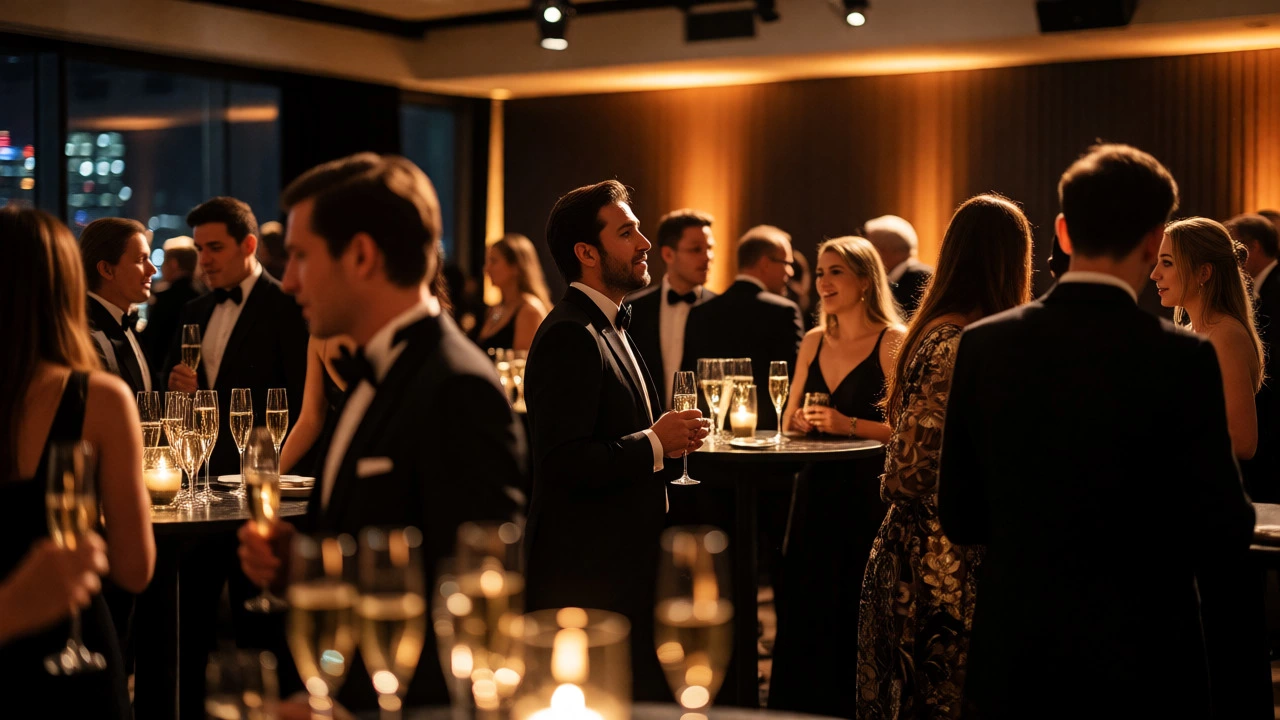
If you’re hosting a sit-down dinner, aim for a total runtime of three to four hours, including arrival and departure. Here’s why this specific window dominates the industry:
- Arrival & Cocktails (45-60 mins): Guests need time to settle. They’ll grab a drink, find their table, and chat. Don’t rush them into seats immediately; let the social lubrication happen.
- Dinner Service (60-75 mins): People eat at their own pace. Rushing food service kills the vibe. Keep courses simple to avoid delays.
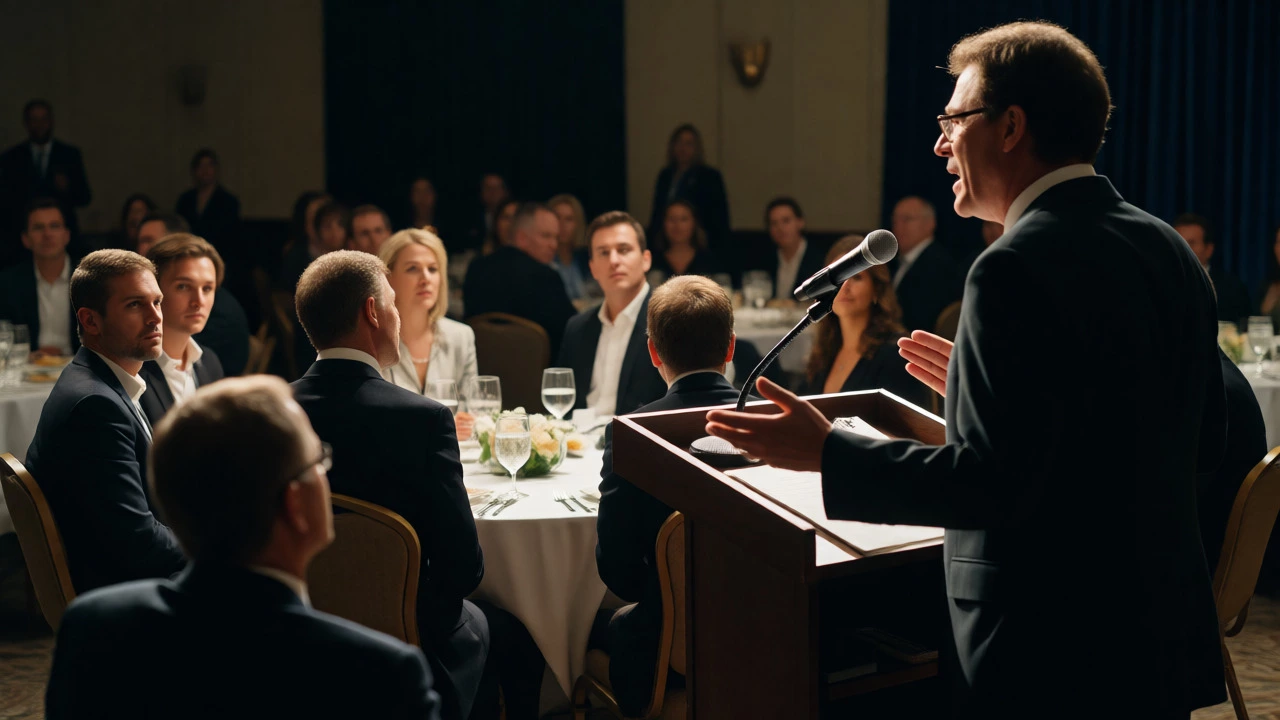
- The "Ask" Block (30-45 mins): This is the critical phase. Speeches, video testimonials, and the live auction usually happen here. If you go over 45 minutes, attention spans fracture.
- Closing & Dessert (30 mins): End on a high note. Coffee, cake, and final thank-yous. Let people leave if they want, but don’t force them to stay.
Any longer than four hours, and you’re fighting biology. Blood sugar drops, feet hurt, and the emotional connection to your cause fades. In Auckland, where venues like SkyCity or Viaduct Harbour have strict noise curfews, sticking to this timeline also helps with logistics.
Shorter Events: The Power of Scarcity
For younger demographics or busy professionals, shorter is often better. A happy hour fundraiser lasting just 90 minutes can outperform a five-hour gala in terms of per-person donation efficiency. Why? Because it respects the attendee’s time.
When you limit the window, you create urgency. There’s no time to wander off. Everyone is present, engaged, and focused on the immediate interaction. These events work best when there are no speeches. Instead, use visual aids-like a screen showing real-time donation totals-to drive action without interrupting the flow.
Consider a "Speed Networking for Good" format. Set a timer for two minutes per conversation pair. Rotate partners every few minutes. It’s fast, energetic, and leaves everyone feeling accomplished rather than exhausted.
Longer Events: Managing Energy Over Time
Sometimes, you need more time. Charity walks, golf days, or multi-course festivals might span six hours or more. How do you keep donors engaged for that long?
The secret is segmentation. Break the day into distinct chapters. For example, a golf day isn’t one long event; it’s a warm-up, a round of golf, a lunch break, and an awards ceremony. Each segment has its own energy peak.
However, beware of "dead zones." If participants finish their activity early, they shouldn’t be left standing around waiting for the main event. Provide ongoing entertainment or networking opportunities during gaps. In New Zealand, outdoor weather can change quickly, so always have a sheltered area ready for longer events to prevent premature departures due to rain or wind.
Structuring Your Timeline for Maximum Impact
No matter the length, the internal structure matters more than the total hours. Here’s a universal framework to ensure your timing aligns with donor psychology:
- The Hook (First 15% of time): Welcome, registration, and initial mingling. Get names on badges and drinks in hands.
- The Story (Middle 30%): Emotional connection. Share beneficiary stories. Use videos or speakers. This builds the desire to give.
- The Ask (Peak 20%): Clear call to action. Make it easy. QR codes, pledge cards, or mobile apps. Do not bury the ask in fine print.
- The Celebration (Final 35%): Thank yous, recognition, and relaxed socializing. Never end abruptly after the ask; allow time for gratitude to sink in.
Notice that the "Ask" doesn’t happen at the very beginning or the very end. It happens when trust is built but before fatigue sets in. Timing the big reveal or auction close strategically can boost revenue by 20-30% compared to random placement.
Common Pitfalls That Wreck Timelines
Even with a perfect plan, things go wrong. Here are the most common time-wasters I’ve seen in Auckland fundraisers:
- Speech Bloat: Three speakers who promised five minutes each take fifteen. Always rehearse and enforce limits. One passionate speaker beats three rambling ones.
- Registration Bottlenecks: If 200 people arrive at once and only one person checks them in, you lose 20 minutes of prime mingling time. Use digital check-in or multiple stations.
- Auction Confusion: Silent auctions often drag on because bids aren’t tracked efficiently. Use mobile bidding apps to speed up the process and notify bidders instantly.
- Venue Transitions: Moving from cocktails to dinner takes time. Build a 15-minute buffer into your schedule for these shifts. Better to start late than to rush the transition.
Local Context: Planning for New Zealand Audiences
In Auckland, cultural norms influence event timing. Kiwis value informality and authenticity. A stiff, overly long program feels unnatural. We prefer genuine connection over polished perfection.
Also, consider travel. Auckland traffic is notorious. If your event ends at 8 PM, many suburban guests won’t get home until 9:30 PM. Starting earlier (e.g., 6 PM instead of 7 PM) can improve attendance and reduce stress. Weekday lunches are popular for corporate sponsors because they fit into workdays without requiring childcare arrangements.
Weather plays a role too. Summer evenings (November to February) encourage outdoor extensions. If you’re planning a summer mixer, add a flexible 30-minute buffer for golden hour photos-it’s free marketing for your next event!
Measuring Success Beyond the Clock
Don’t judge your event solely by how long it lasted. Track metrics tied to time:
- Retention Rate: Did people stay until the end? Low retention suggests the event was too long or boring.
- Donation Velocity: How quickly did pledges come in? Fast pledges indicate high engagement.
- Feedback Scores: Ask specifically: "Did the event feel too long, too short, or just right?" Adjust future plans based on answers.
If 80% of your guests leave before the closing remarks, your event was likely too long. Cut the fat next year. Conversely, if people linger for an hour after the official end, you’ve created a magnetic atmosphere-keep the format, maybe extend slightly.
FAQs About Fundraiser Event Duration
Is a 2-hour event too short for a fundraiser?
Not necessarily. For casual mixers, happy hours, or lunch events, two hours is often ideal. It creates urgency and fits easily into busy schedules. However, for formal galas or complex auctions, two hours may feel rushed, preventing meaningful connections and thorough bidding.
How long should speeches be at a fundraising dinner?
Keep individual speeches under five minutes. Total speaking time should not exceed 20-30 minutes combined. Longer speeches test patience and distract from the social aspect. Use videos or printed materials to convey detailed information instead of verbal monologues.
Does a longer event lead to more donations?
Not automatically. While longer events allow more mingling, they also increase fatigue. Data shows that donation rates often peak during the middle third of an event. Extending beyond the optimal window can dilute focus and lower per-head contributions unless additional activities are introduced.
What is the best time of day to hold a fundraiser?
Evenings (6 PM - 9 PM) are best for social galas and dinners. Lunchtimes (12 PM - 2 PM) work well for corporate luncheons. Daytime events (10 AM - 2 PM) suit active fundraisers like walks or golf. Choose based on your target demographic’s availability.
How do I handle late arrivals at a timed event?
Designate a "late seating" area near the back or side. Ensure audio/video feeds reach this zone so latecomers can follow along. Avoid restarting major segments for them; instead, provide a summary sheet or app notification highlighting key moments missed.