How to Conduct a Community Outreach That Actually Works
Community Outreach Effectiveness Score
Answer these questions honestly to assess how well your current outreach efforts align with proven strategies for building trust and lasting impact.
Your Outreach Score
Recommended Actions:
You’ve got the mission. You’ve got the passion. But when you knock on doors or set up a stall at the local market, do people actually stop and listen? Or do they just walk past, assuming it’s another generic flyer drop? Community outreach is the process of connecting organizations with local populations to share information, resources, and support. It’s not just about showing up; it’s about building trust. If your last campaign felt like shouting into a void, the problem likely wasn’t your cause-it was your approach.
Most failed outreach efforts die because they treat the community as a target rather than a partner. They broadcast messages instead of starting conversations. This guide breaks down exactly how to run an outreach program that resonates, engages, and sticks. We’ll cover everything from identifying your true audience to measuring whether you’re actually making a dent in the problems you care about.
Define Your Target Audience With Precision
"Everyone" is not a demographic. If you try to talk to everyone, you end up talking to no one. The first step in effective community outreach is narrowing down who you actually need to reach. Are you targeting young parents in specific suburbs? Elderly residents who live alone? Local business owners struggling with staffing?
Start by creating detailed personas. Don’t just guess. Go to where these people already are. If you’re targeting students, hang out near university libraries during exam week. If you’re targeting seniors, visit community centers or parks where they gather for morning walks. Observe their habits. What time of day are they available? What channels do they use-WhatsApp groups, Facebook, or physical noticeboards?
Consider the cultural makeup of your area. In diverse neighborhoods like Auckland, language barriers can silently kill engagement. A flyer in English might miss a significant portion of the population if many residents speak Mandarin, Samoan, or Hindi as their primary language. Tailoring your materials isn’t just polite; it’s strategic.
Build Relationships Before Asking For Anything
Here is the golden rule: People help those they know and trust. If you show up asking for donations, volunteers, or participation without having established any rapport, you’re likely to face resistance. Think of outreach as dating. You don’t propose marriage on the first date.
Identify key community influencers. These aren’t always the official leaders. Sometimes it’s the person who runs the local bakery, the head coach of the youth soccer team, or the neighbor who organizes the street cleanup. Engage with them first. Ask for their advice. "Hey, we’re trying to launch this food bank initiative. Who do you think would be most interested in helping us spread the word?" When you ask for input, you validate their status in the community. Once they feel heard, they become advocates.
Partner with existing organizations. Instead of starting from scratch, join forces with schools, churches, sports clubs, or local councils. Leverage their existing trust networks. A recommendation from a trusted local entity carries ten times more weight than a cold email from your organization.
Choose the Right Channels for Engagement
Once you know who you’re talking to and who can help you talk to them, pick your battlegrounds carefully. Digital is powerful, but it’s not universal. Physical presence builds credibility in ways screens cannot.
| Channel | Best For | Cost | Trust Factor | Engagement Depth |
|---|---|---|---|---|
| Social Media (Facebook/Instagram) | Younger demographics, quick updates, visual storytelling | Low (time-intensive) | Medium | Low (passive scrolling) |
| Local Newspapers/Newsletters | Older demographics, formal announcements, credibility | Medium-High | High | Medium (one-way info) |
| Door-to-Door/Face-to-Face | Hyper-local issues, immediate feedback, high-trust areas | High (labor intensive) | Very High | High (two-way dialogue) |
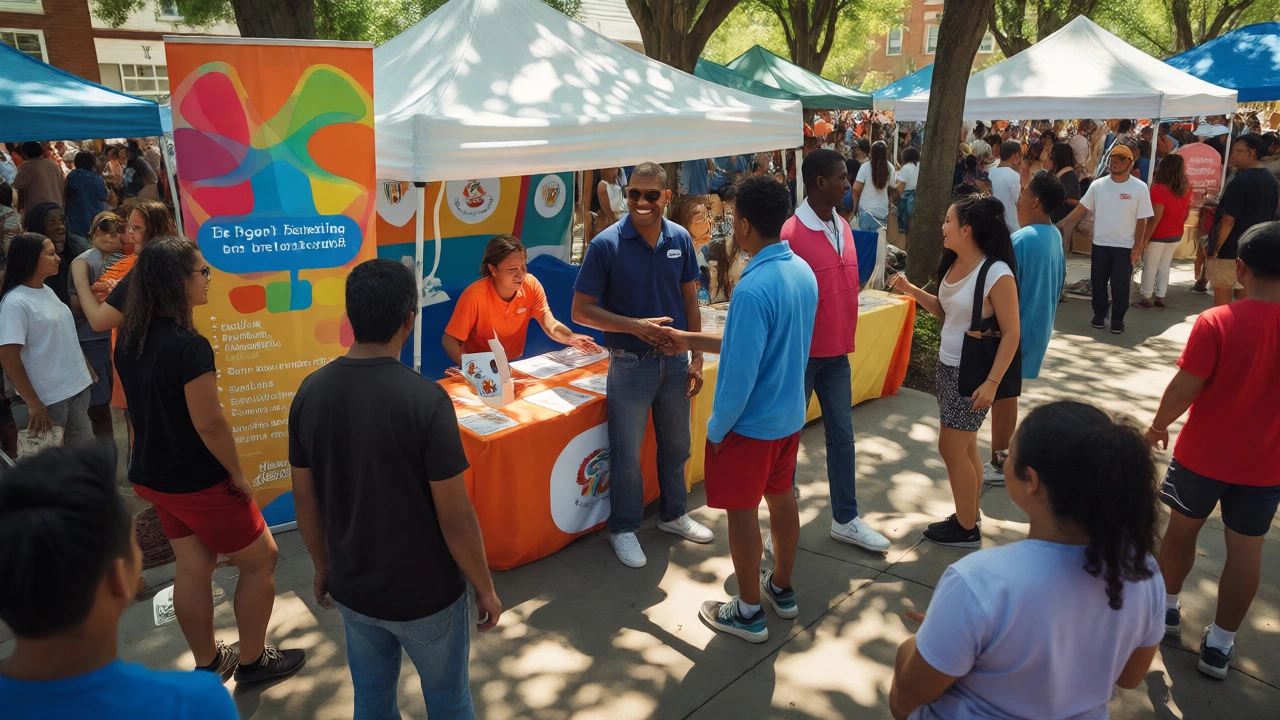
| Community Events/Markets | Broad awareness, family-friendly causes, networking | Medium (setup costs) | High | Medium-High |
| School Partnerships | Family units, long-term behavioral change, youth programs | Low-Medium | Very High | High |
Don’t rely on just one channel. Use a mix. Post a teaser on social media, then direct people to a physical event where they can meet you. Send a press release to the local paper, then have your volunteers hand out flyers at the same locations mentioned in the article. Consistency across channels reinforces your message.
Craft Messages That Resonate Locally
Generic corporate speak kills engagement. Nobody cares about your "synergistic operational frameworks." They care about how your work affects their daily lives. Keep your messaging simple, concrete, and benefit-driven.
Use local references. Mention the specific park, the school everyone complains about, or the recent storm that hit the neighborhood. This shows you’re part of the fabric of the community, not an outsider parachuting in. For example, instead of saying "We support environmental sustainability," say "We’re planting trees along the Waitakere Ranges trails to keep our summer hikes cool and green."
Test your headlines. Run small surveys or ask friends what catches their eye. Does "Volunteer Opportunity" sound better than "Join Our Team"? Does "Free Health Check" draw more people than "Wellness Initiative"? Small tweaks in wording can significantly alter response rates.
Execute With Clear Logistics and Volunteer Management
A great plan fails if execution is messy. If you promise a workshop at 10 AM, start at 10 AM. If you say there will be refreshments, have them ready. Reliability builds reputation. In small communities, word travels fast. One sloppy event can undo months of good will.
Your volunteers are the face of your outreach. Train them thoroughly. They need to know the core message inside out, but also how to handle rejection gracefully. Not everyone will want to engage, and that’s okay. Teach them to smile, thank the person, and move on. Burnout happens when volunteers feel unprepared or unsupported. Provide them with clear scripts, FAQs, and backup contacts.
Prepare for the unexpected. Have extra flyers, a portable speaker if needed, and a rain cover for outdoor stalls. Check local council regulations regarding permits for public gatherings or signage. Nothing looks less professional than being shut down by a compliance officer mid-event.

Measure Impact Beyond Vanity Metrics
How do you know it worked? Likes and shares are nice, but they don’t pay the bills or feed the hungry. You need data that ties back to your goals.
- Reach: How many people did you physically interact with? Count hands raised, forms filled, or sign-ups.
- Conversion: Of those reached, how many took the desired action? Did they donate? Did they attend the follow-up meeting? Did they refer a friend?
- Retention: Did they come back? Community outreach is often a funnel. First-time attendees becoming regular volunteers is a win.
- Qualitative Feedback: Ask people why they came. Was it the free coffee? The topic? The friend who invited them? This insight helps refine future campaigns.
Set benchmarks before you start. If you aim to get 50 new newsletter subscribers, track exactly how many you get per hour of door-knocking versus per social media post. This ROI analysis tells you where to invest your limited budget next time.
Sustain Momentum After the Campaign Ends
The biggest mistake is treating outreach as a one-off event. Trust erodes if you disappear after getting what you need. Follow up. Send a thank-you email within 48 hours. Share photos from the event. Tag the partners who helped you.
Create a loop of communication. Invite participants to a monthly update call or a quarterly open house. Keep the relationship warm so that when you need help again, you’re not starting from zero. Long-term community health depends on consistent presence, not sporadic bursts of activity.
Remember, effective community outreach is a marathon, not a sprint. It requires patience, humility, and a genuine interest in the people you serve. Start small, listen more than you talk, and let the community shape the direction of your work.
What is the most common mistake in community outreach?
The most common mistake is broadcasting instead of engaging. Organizations often push their agenda without listening to community needs or building prior relationships. This leads to low trust and poor participation rates. Successful outreach prioritizes two-way dialogue and partnership over one-way messaging.
How much budget do I need for effective outreach?
Budget varies widely based on scale, but time and human resources are often more critical than cash. Grassroots outreach can be done with minimal funds using social media and volunteer labor. Paid advertising and printed materials increase reach but require careful ROI tracking. Start with low-cost methods like community partnerships and digital engagement to test your message before investing heavily.
How do I measure the success of my outreach efforts?
Measure both quantitative and qualitative metrics. Quantitative includes number of attendees, sign-ups, donations, or website traffic spikes. Qualitative involves feedback surveys, sentiment analysis, and anecdotal evidence of behavior change. Compare these against pre-set benchmarks to determine if your specific goals were met.
Should I focus on online or offline outreach?
A hybrid approach is usually best. Online channels offer scalability and ease of tracking, while offline interactions build deeper trust and personal connections. Consider your target demographic: younger audiences may respond better to Instagram, while older or non-digital natives prefer face-to-face interactions or local newspapers.
How do I handle negative reactions during outreach?
Stay calm, polite, and professional. Acknowledge the concern without arguing. Often, negativity stems from fatigue with previous bad experiences or lack of understanding. Offer to leave a resource for them to read later. If someone is hostile, thank them for their time and move on. Do not take it personally; it’s rarely about you individually.