What Does Good Community Outreach Look Like? A Practical Guide for Real Impact
Community Outreach Effectiveness Assessor
Your Assessment
Not Started
Your Results & Recommendations
Overall Assessment
Actionable Next Steps
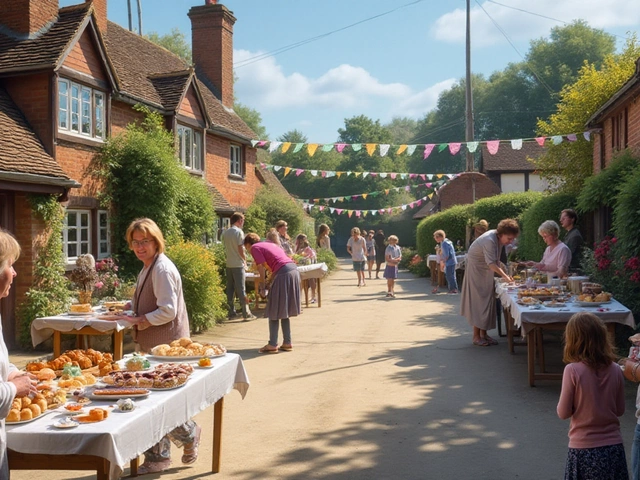
You’ve probably seen the flyers. The glossy brochures promising "connection" and "impact." But let’s be honest: half of them end up in the recycling bin. You might be wondering what actually works when you’re trying to build something real with your neighbors. It isn’t about big budgets or viral social media campaigns. Good community outreach is the practice of building genuine, two-way relationships between an organization and the people it serves. It looks like listening more than talking. It looks like showing up consistently, even when no one is watching.
If you are running a charity, a school program, or just trying to make your street safer, this guide cuts through the noise. We will look at what effective outreach actually feels like on the ground, using examples from places like Auckland and beyond. You will learn how to move from being a visitor to becoming a neighbor.
The Core Pillars of Effective Engagement
Many organizations mistake marketing for outreach. They send out emails and call it a day. That is broadcasting, not connecting. True outreach rests on three pillars: trust, reciprocity, and accessibility. Without these, you are just another noise in the background.
Trust is built over time. It requires consistency. If you show up once a year for a photo op, you don’t have trust; you have suspicion. Think about the local food bank that has been open every Tuesday for ten years. People know they can rely on it. That reliability creates a foundation where deeper conversations can happen.
Reciprocity means giving as much as you take. This doesn’t always mean money. It means offering skills, time, or simply a respectful ear. When a nonprofit organization asks a local community group for feedback before launching a new service, they are practicing reciprocity. They value the community’s intelligence, not just their presence.
Accessibility ensures everyone can participate. This goes beyond wheelchair ramps. It means holding meetings at times when working parents can attend. It means providing materials in multiple languages. In diverse cities, ignoring language barriers is a fast way to fail. Good outreach meets people where they are, literally and figuratively.
Listening Before Leading
The biggest mistake leaders make is assuming they know what the community needs. You might think a neighborhood needs a new park. They might need better street lighting first. How do you find out? You listen.
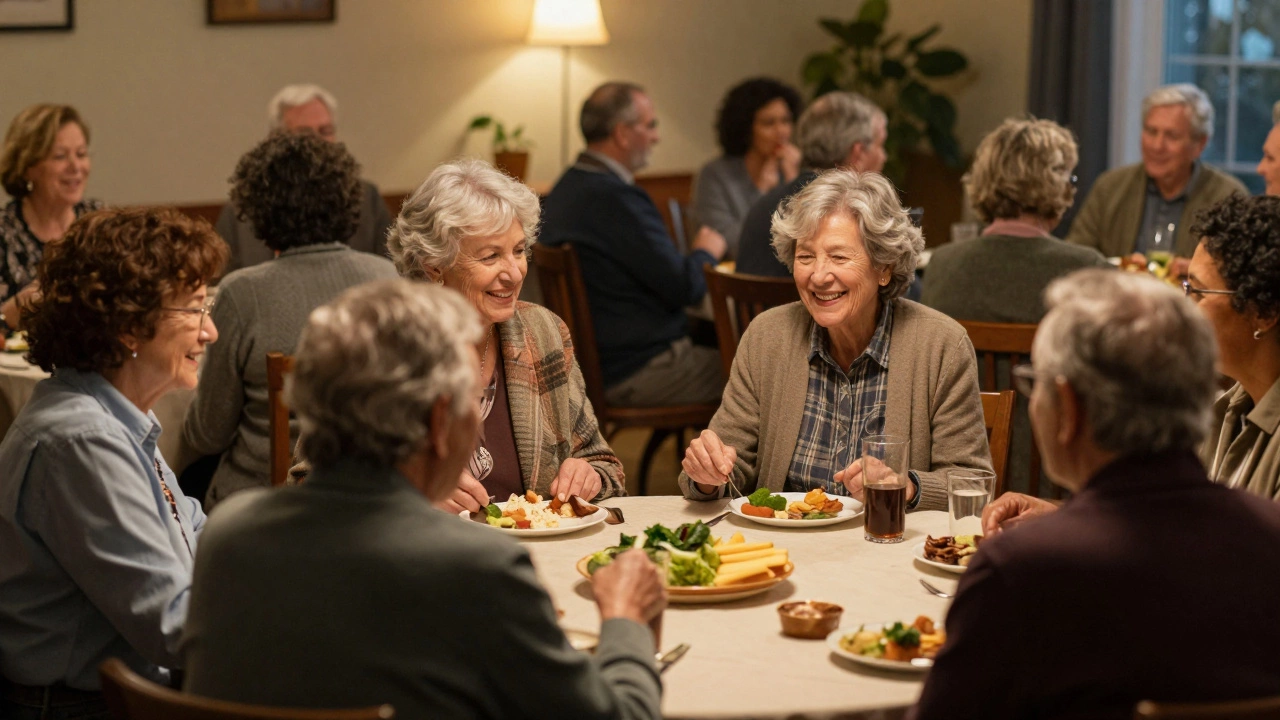
This involves structured listening sessions. These aren’t formal town halls with microphones and podiums. They are casual coffee chats, kitchen table conversations, and door-knocking initiatives. In Auckland, successful community groups often start with "kai and talk" events-sharing food while discussing issues. Food lowers defenses. It makes conversation natural.
Ask open-ended questions. Instead of asking, "Do you want our help?" ask, "What is the hardest part of your week right now?" The answers will surprise you. Document these insights. Use them to shape your programs. When residents see their specific suggestions implemented, ownership shifts from "their project" to "our project."
Building Partnerships, Not Silos
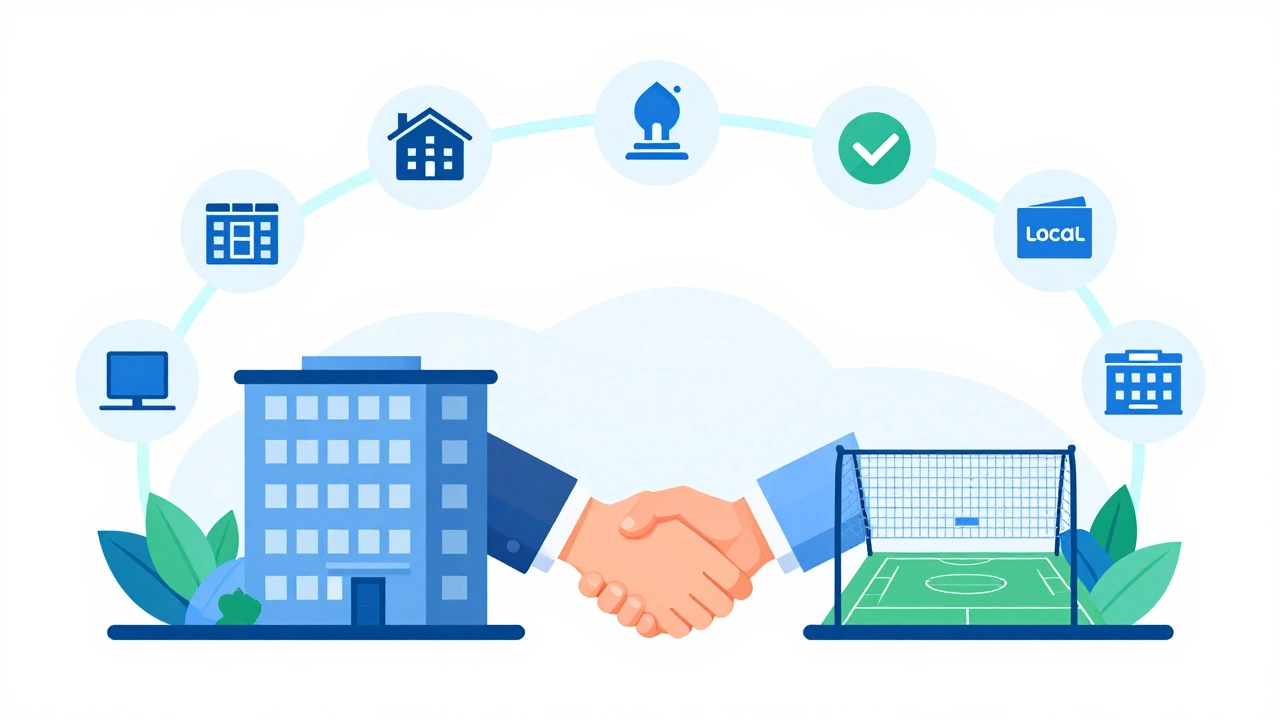
No single organization can solve complex problems alone. Good community outreach looks like collaboration. It involves connecting with existing networks rather than creating new ones from scratch.
Consider the ecosystem around youth development. Schools, sports clubs, mental health providers, and local businesses all touch young lives. A siloed approach sees competitors everywhere. An outreach-focused approach sees partners. Imagine a library partnering with a local gym. The library provides quiet study spaces after hours; the gym offers free fitness classes for teens who struggle in traditional classrooms. Both serve the same goal: supporting youth success.
To build these partnerships:
- Identify key stakeholders early. Who already holds trust in the area?
- Map overlapping goals. Where do interests align?
- Create clear roles. Avoid duplication of effort.
- Maintain regular communication. Check-ins should be brief but frequent.
This network effect amplifies impact. One small initiative becomes a coordinated movement.
Measuring What Matters
How do you know if your outreach is working? Most organizations track vanity metrics: email opens, event attendance numbers, social media likes. These tell you nothing about actual change. Good outreach measures relationship depth and behavioral shift.
Instead of counting heads, count connections. Did a participant introduce a friend? Did a skeptical resident start attending monthly meetings? These are signs of growing trust. Use simple surveys that ask about feelings, not just facts. "Did you feel heard today?" is more valuable than "Was the presentation clear?"
Long-term tracking is essential. Community change happens slowly. A drop-out rate in the first month doesn’t mean failure; it might mean poor timing. Adjust and try again. Focus on retention over acquisition. Keeping five engaged volunteers is worth more than recruiting fifty who leave after one week.
| Metric Type | Example Measure | Why It Falls Short | Better Alternative |
|---|---|---|---|
| Vanity Metric | Email Open Rate | Does not indicate engagement or action | Reply rate or meeting attendance |
| Output Metric | Number of Flyers Distributed | Assumes distribution equals awareness | Surveys measuring brand recall |
| Relationship Metric | New Volunteers Signed Up | One-time participation isn't commitment | Volunteer retention after 6 months |
| Impact Metric | Funds Raised | Money doesn't equal community buy-in | In-kind donations and partner commitments |
Overcoming Common Barriers
Even with the best intentions, outreach hits walls. Burnout, skepticism, and resource constraints are real. Acknowledging these barriers helps you plan around them.
Skepticism is common in communities that have been promised help before and let down. Don’t fight it with arguments. Fight it with transparency. Share your failures openly. Admit when you don’t have the answer. Vulnerability builds credibility faster than perfection ever will.
Burnout affects both organizers and participants. If you expect volunteers to give endlessly without support, they will quit. Create sustainable rhythms. Offer training, recognition, and breaks. Celebrate small wins. A thank-you card matters more than you think.
Resource Limits force creativity. You don’t need a fancy venue. Use public libraries, parks, or community centers. Leverage digital tools for low-cost communication. WhatsApp groups are powerful for quick updates. Keep costs low so the focus stays on people, not infrastructure.
Real-World Examples of Success
Let’s look at concrete scenarios. In a recent urban renewal project, planners initially faced heavy resistance. Instead of pushing forward, they paused. They hired local residents as co-designers. These residents attended every planning session. Their input changed the layout entirely. The result? Higher usage rates and stronger community pride. The key was shifting power dynamics.
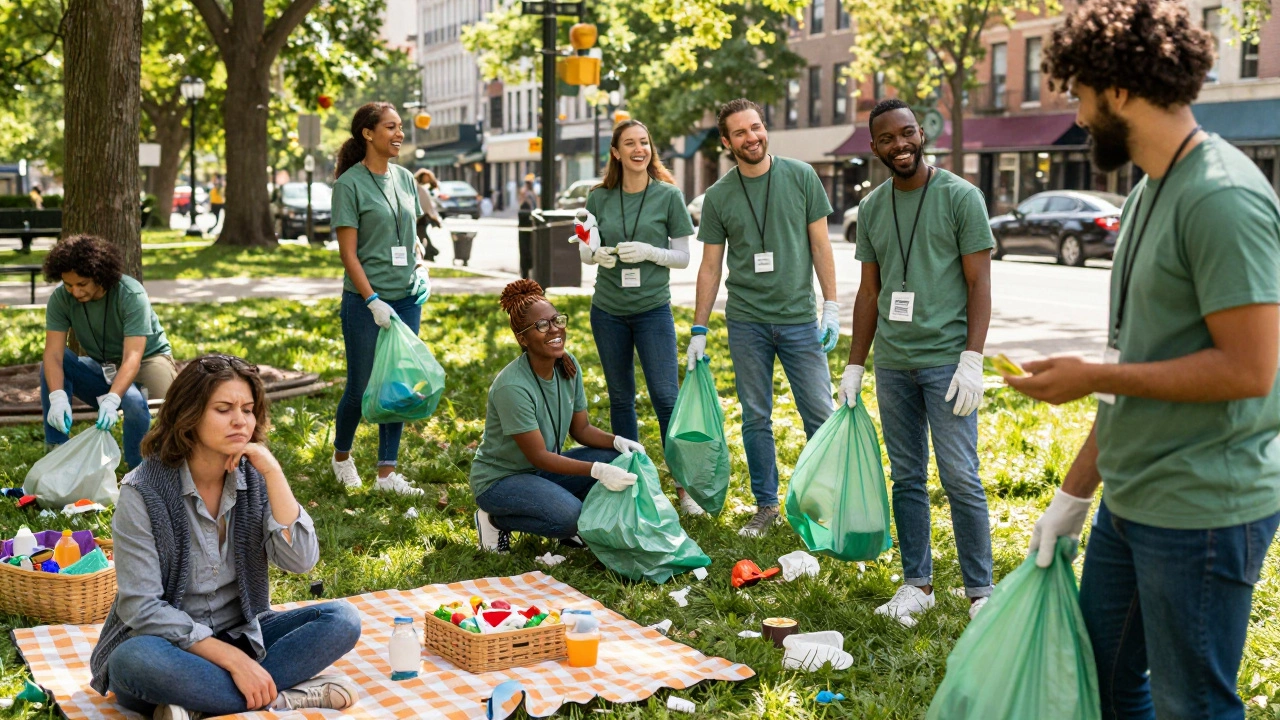
Another example comes from environmental groups. Rather than lecturing about recycling, they organized clean-up days with music and food. People joined for the fun. While cleaning, they talked. Conversations led to policy changes. The outreach wasn’t about education; it was about shared experience.
These examples share a pattern: human-centered design. Put people at the center, not the problem.
Next Steps for Your Organization
Ready to improve your outreach? Start small. Pick one neighborhood or group. Listen deeply for a month. Map the existing assets. Identify one barrier to remove. Then act. Review. Repeat.
Remember, good community outreach is a marathon, not a sprint. It requires patience, humility, and persistence. But the rewards-a connected, resilient community-are worth every step.
How long does it take to build trust in a community?
There is no fixed timeline, but significant trust usually takes six to twelve months of consistent, transparent interaction. Quick fixes rarely work. Focus on showing up regularly and keeping promises, no matter how small.
What is the difference between marketing and community outreach?
Marketing is one-way communication aimed at selling a product or idea. Community outreach is two-way dialogue aimed at building relationships and mutual benefit. Marketing asks, "How do we get them?" Outreach asks, "How do we grow together?"
How can I engage hard-to-reach populations?
Go where they already are. If it’s night-shift workers, hold evening meetings. If it’s elderly residents, visit care homes. Partner with trusted messengers within those groups, such as religious leaders or popular shop owners. Remove logistical barriers like transport costs or childcare needs.
What role does social media play in community outreach?
Social media is a tool for amplification, not connection. It’s great for sharing news and updates, but it cannot replace face-to-face interaction. Use it to drive people to physical or virtual meetups where real relationships form. Be cautious of echo chambers that exclude non-digital users.
How do I measure the success of my outreach efforts?
Move beyond headcounts. Track relationship depth: repeat attendees, referrals, and qualitative feedback. Ask participants if they feel valued and heard. Monitor long-term changes in community behavior or policy, not just short-term event turnout.
Can small organizations compete with large nonprofits in outreach?
Yes, often better. Small groups can be more agile, personal, and trusted. Large organizations may have resources but lack local nuance. Focus on hyper-local relevance and deep relationships. Your size is an advantage if you leverage authenticity over scale.
What should I do if community members disagree with my goals?
Listen without defensiveness. Understand their concerns fully. Find common ground. If alignment isn’t possible, respect their stance and maintain respectful boundaries. Conflict can lead to innovation if handled with empathy and openness.
How important is cultural sensitivity in outreach?
It is critical. Ignoring cultural norms can alienate entire groups. Learn about local traditions, holidays, and communication styles. Hire staff or volunteers from the communities you serve. Ensure materials are translated and culturally appropriate. Respect builds bridges.